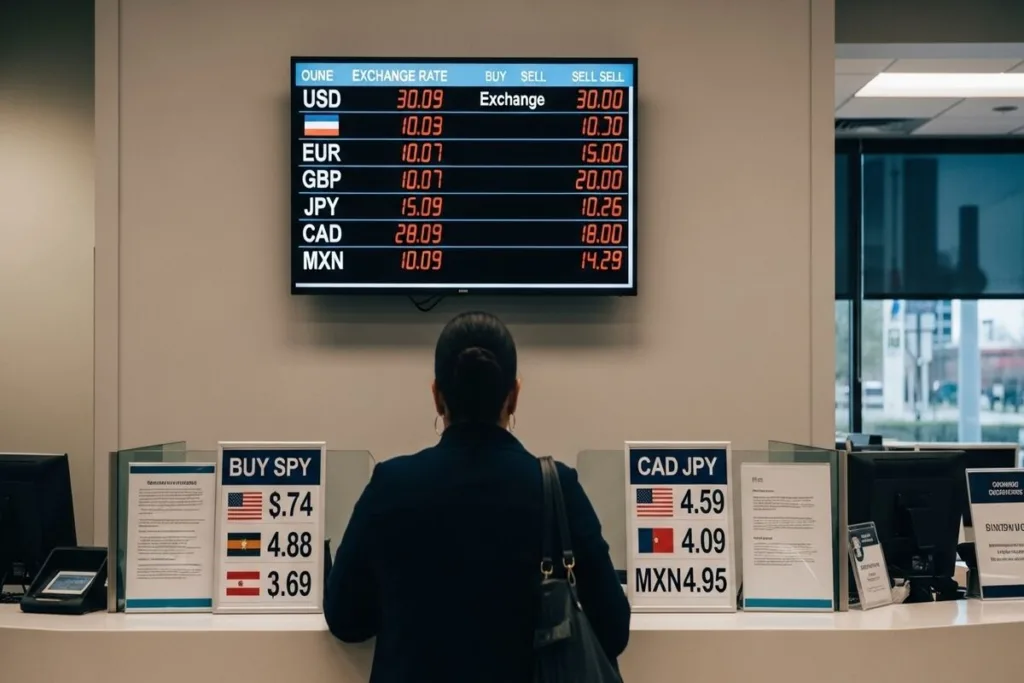
Some currencies cost more to exchange in Irving, Texas because currency exchange rates reflect local supply and demand, regulatory compliance costs, fraud prevention procedures, market volatility and global liquidity conditions. Exchange providers do not simply convert one currency to another at a flat rate. Instead, they calculate a retail spread based on how easily the currency can be sourced, how quickly it moves in the local market and how much risk is involved in holding or replacing it.
When working with a licensed money services business such as Order Express, these industry wide factors shape the rate you see at the counter rather than a single fixed conversion price.
For a broader overview of consumer-oriented exchange information, explore our main guide on currency exchange services for consumers.
In Irving, high demand and highly liquid currencies typically carry narrower spreads, while low demand, less liquid or volatile currencies cost more due to sourcing challenges, compliance requirements and inventory exposure. Understanding these factors helps you compare rates confidently, time your transaction strategically and reduce unnecessary exchange costs.
This article explains general industry factors and does not reflect the internal policies or procedures of any specific provider, including Order Express.

How Local Supply And Demand Shape Currency Exchange Rates
Local supply and demand conditions directly influence how currency exchange providers in Irving set their rates each day. As explained in this guide to currency exchange services for consumers, retail exchange pricing reflects inventory turnover, sourcing access and transaction volume. When certain currencies move quickly due to steady traveler or business demand, providers can operate with tighter spreads and lower holding risk. However, when availability is limited or demand fluctuates seasonally, pricing adjusts to reflect sourcing challenges, inventory exposure and transaction volume. Understanding these local market dynamics helps explain why the same currency may cost more at different times of the year.
Limited Availability Increases Exchange Spreads
Limited availability directly increases the margin between buy and sell rates offered by a currency exchange provider. When providers must source smaller volumes or hold infrequently requested bills, they price that additional risk into the transaction.
You may see higher costs when exchanging:
- Currencies from smaller economies
- Notes in large denominations that move slowly
- Bills that show wear and require verification
Seasonal Demand Shifts Change Local Pricing
Seasonal travel patterns in Irving influence which currencies move quickly and which remain idle. During peak travel months, popular vacation currencies may carry more competitive rates because providers anticipate steady volume. Off season demand often leads to wider spreads on the same currency.
High Demand Currencies Often Come With More Competitive Exchange Rates
When a currency maintains steady demand in Irving, currency exchange providers can rotate inventory quickly, reduce holding risk and operate with narrower spreads. Consistent transaction volume creates predictable cash flow, allowing providers to secure better wholesale access and manage replacement costs more efficiently. As a result, customers often benefit from more competitive exchange rates during periods of strong and reliable market demand.
Low Demand Currencies Increase Sourcing And Pricing Pressure
Currencies with low demand increase costs for currency exchange providers in Irving because slow turnover forces businesses to hold inventory longer, tying up capital and increasing exposure to exchange rate fluctuations. To understand how exchange rates move globally, review the Federal Reserve’s H.10 foreign exchange rate data releases, which track major currency valuations. In addition, wholesale replenishment for less commonly traded currencies can be unpredictable, especially for currencies from smaller economies, often requiring special orders or minimum volume thresholds. These sourcing challenges and added operational complexities directly contribute to higher exchange costs for customers seeking currencies that do not move frequently in the local market.

Why Currency Exchange Compliance And Verification Costs Affect Your Rate
Every currency exchange transaction involves more than converting one denomination into another, because providers must follow strict regulatory and security procedures before completing a transaction. Financial institutions and money services businesses verify customer identity, monitor transaction thresholds and maintain detailed reporting systems to comply with federal and state requirements.
Federal anti money laundering oversight is administered by agencies such as the U.S. Department of the Treasury’s Financial Crimes Enforcement Network (FinCEN), which enforces reporting and monitoring standards for financial institutions. At the same time, institutions operate under the Bank Secrecy Act framework described in the FFIEC BSA/AML Examination Manual, which outlines compliance expectations for financial entities.
These safeguards add operational processes required under federal regulations, which can indirectly affect service costs across the industry.
Note: These are standard regulatory requirements under federal law and not specific to any individual provider’s internal process.
Anti Money Laundering Requirements Affect Transaction Pricing
Currency exchange businesses operate under strict federal and state reporting obligations that require detailed monitoring and documentation. These obligations stem from the Bank Secrecy Act and related federal regulations.
When transactions exceed specific thresholds, staff must complete additional verification steps before releasing funds. Those steps may include identity review, source of funds review and internal documentation.
Higher compliance exposure often results in slightly higher transaction costs for:
- Large cash exchanges
- Multiple exchanges within 48 hours
- Transactions near reporting thresholds
These compliance-related pricing factors apply broadly across the currency exchange industry and are not tied to any one provider’s system or thresholds.
Certain Currencies Require Enhanced Verification Controls
Not all currencies carry the same level of fraud risk in global markets, as some require additional scrutiny due to past counterfeit activity or complex security features. Consumer education resources such as the FDIC’s Money Smart financial education program help explain how financial institutions protect against fraud and financial crime. To address this risk, currency exchange providers invest in advanced verification technology and ongoing employee training to ensure accurate authentication.
Although enhanced validation can increase processing time, it significantly strengthens transaction security and protects both customers and businesses from financial crime. Understanding these safeguards allows you to approach your currency exchange transaction with greater awareness, preparation and confidence.
Authentication And Counterfeit Detection Raise Processing Expenses
Certain currencies require enhanced counterfeit detection tools and manual inspection during processing. Providers invest in verification equipment, employee training and monitoring systems to reduce fraud risk.
Currencies with higher global counterfeit activity typically involve:
- Longer inspection time
- Additional validation steps
- More cautious acceptance policies
If you have questions about documentation requirements before visiting a branch, you may review available support options on the provider’s contact page.
How Currency Exchange Volatility And Liquidity Impact The Rate You Receive
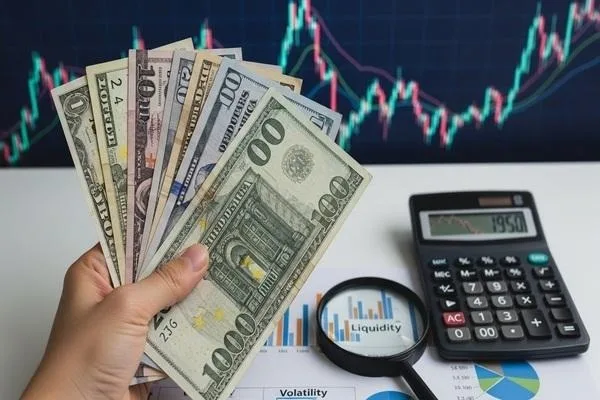
Currency exchange pricing does not move randomly, as providers continuously respond to global market volatility and liquidity conditions. Government policy analysis, such as the U.S. Treasury’s exchange rate policy guidance, explains how macroeconomic factors influence currency valuations. When a currency experiences sharp price swings or limited trading activity, exchange providers adjust retail rates to manage replacement costs and short term risk exposure.
Highly liquid currencies typically maintain narrower spreads because providers can access wholesale markets quickly, while less liquid or unstable currencies require pricing buffers to offset sudden fluctuations. Understanding how volatility and liquidity shape currency exchange rates helps you better interpret quoted prices and decide the right moment to complete your transaction.
Higher Volatility Increases Pricing Buffers
Volatile currencies can shift value significantly within short periods, creating exposure for exchange providers. To manage this risk, providers build pricing buffers into the retail rate they quote.
You may see higher exchange costs when:
- Political or economic events impact a country
- Central bank announcements shift market expectations
- Liquidity in wholesale markets tightens
If you are planning to send funds internationally in addition to exchanging currency, you may also want to review how money transfer services operate under similar regulatory and market dynamics.
Understand How Inventory Risk Affects Retail Rates
Currency exchange businesses must either hold physical currency inventory or maintain fast access to wholesale suppliers, and when demand for a currency is unstable, providers assume greater risk if its value changes before they can replace it. This inventory exposure directly affects the spread between buy and sell rates, especially for currencies that require advance ordering. Asking whether a provider regularly stocks your currency or sources it upon request can help you understand why some currencies carry wider spreads and why exchange rates may differ on the same day.
Lower Liquidity Currencies Carry Wider Spreads
Liquidity refers to how easily a currency trades in global markets without major price swings. Highly traded currencies like major reserve currencies typically carry lower spreads because providers can replace inventory quickly.
Less liquid currencies often cost more because:
- Wholesale access may be limited
- Replacement inventory may require advance ordering
- Price swings can occur between settlement windows
If you plan to combine services such as currency exchange and check cashing, confirm identification and reporting requirements in advance to streamline your visit.
Before completing your exchange, review posted rates and ask how long the quote remains valid. You can also explore broader service considerations on our pillar page, Understanding Currency Exchange Services for Consumers, to better prepare for your transaction.
Conclusion
Currency exchange costs in Irving depend on more than the posted rate. Local supply and demand, regulatory compliance requirements, verification procedures, volatility and liquidity all influence the spread you ultimately pay. By understanding these factors, you gain the clarity needed to interpret rate differences and avoid surprises at the counter.
Before completing your exchange, compare rates, confirm how long the quote is valid and ask whether the currency is held in inventory or sourced on request. If you anticipate a large transaction, prepare proper identification and confirm reporting thresholds in advance. Taking these proactive steps helps you secure a more informed, efficient and confident currency exchange experience.
Those preferring branch assistance are encouraged to review the store locator page for up to date service availability information.
Note: Exchange rates and service fees may vary by provider, location, market conditions, and transaction size.
For specific guidance on compliance requirements, such as identification or reporting thresholds, check directly with your provider, as these can vary.
Educational disclaimer: The information in this article is for educational purposes only and reflects general practices across the currency exchange industry. It does not describe the internal policies, pricing models, or compliance procedures of any specific provider, including Order Express.
If you plan to exchange currency in Irving soon, contact your local provider to confirm today’s rate and required documentation.
FAQs
Why do some currencies cost more to exchange in Irving?
Higher costs typically result from:
- Low local demand
- Limited liquidity
- Higher compliance or verification requirements
- Increased market volatility
Less traded currencies carry wider spreads due to sourcing and risk exposure.
How does compliance affect my currency exchange rate?
Compliance requirements can increase processing costs. Examples include:
- Identity verification
- Reporting large transactions
- Source of funds documentation
Additional review steps may slightly widen the exchange spread.
What is liquidity in currency exchange?
Liquidity measures how easily a currency trades globally.
- High liquidity equals tighter spreads
- Low liquidity equals wider spreads
- Replacement inventory may require advance ordering
Highly traded currencies are usually more competitively priced.
When is the best time to exchange currency?
Consider these steps:
- Avoid major economic announcements
- Exchange during active global market hours
- Confirm rate validity before paying
Stable market conditions often result in more predictable pricing.
How can I reduce currency exchange costs?
To minimize costs:
- Compare rates across providers
- Exchange high demand currencies when possible
- Prepare documentation in advance
- Avoid last minute transactions
Preparation and timing can help you secure a better rate.

John is a Content & SEO Specialist who enjoys breaking down complex financial topics, like cross-border payments and money transfers, into content that’s easy to understand. He focuses on creating practical, search-driven content that helps people find answers and make informed decisions.