


Money transfers move funds between people, businesses and countries through banks, licensed transmitters and digital payment platforms. Providers such as Order Express operate within this regulated environment to help customers send funds securely across domestic and international corridors. Regulators shape these services to protect consumers, reduce fraud and prevent financial crime across domestic and international corridors.
This pillar page explains the governing frameworks behind regulations, compliance, taxes and reporting for everyday money transfers. You will learn what providers verify, what customers should document and how reporting obligations affect certain transactions. Use this overview to build practical awareness, then explore related articles for detailed guidance on limits and documentation. You should treat every transfer as a regulated financial transaction, even when sending funds to trusted family members.

Regulatory Governance And Institutional Compliance Framework
Money transfer services operate within a layered regulatory system designed to protect consumers and prevent financial crime. This framework defines how providers are licensed, monitored and held accountable. It also establishes rules for reporting, documentation and data protection that shape how regulated transfers function domestically and internationally.
Note: Order Express operates under federal and state regulatory oversight and maintains internal compliance programs designed to detect fraud, prevent financial crime and protect customers.
Federal Oversight And Licensing Structures
In the United States, money transfer providers operate under federal registration and state-level licensing requirements. Federal agencies focus on anti-money laundering standards and financial transparency across regulated financial institutions, including obligations administered by the Financial Crimes Enforcement Network under the FinCEN Anti-Money Laundering Act of 2020. States issue licenses that govern consumer protection rules, bonding requirements and operational conduct for providers. Customers benefit because regulators require providers to maintain safeguards, reporting systems and internal compliance controls.
This regulatory structure supports:
- Identity verification before completing certain transfers.
- Monitoring for unusual transaction patterns.
- Secure handling of customer funds.
Cluster resources can explore how international laws compare and how current statutes apply to specific corridors.
Anti-Money Laundering And Customer Identification
Anti-money laundering rules require providers to verify customer identities and assess transactional risk. These rules exist to prevent criminal misuse of financial systems while preserving legitimate access. Customers may need to provide government identification, address confirmation or source-of-funds explanations.
For higher-value transactions, providers may request additional documentation to satisfy regulatory standards. This process protects both the sender and the broader financial ecosystem from unlawful activity. Customers initiating transfers can review practical verification expectations through money transfer services to understand how regulated providers structure identity checks.
Compliance awareness block:
- Providers must implement customer identification programs.
- Suspicious activity may trigger internal review and reporting.
- Verification requirements increase with transaction size and risk level.
Detailed thresholds and documentation standards belong in specialized cluster articles focused on transaction amounts and identity requirements.
Transaction Monitoring And Government Reporting
Financial institutions must monitor transactions and file required reports when activity meets regulatory criteria. These reports typically relate to anti-money laundering enforcement rather than automatic tax assessments. Large or structured transactions may receive additional scrutiny under federal reporting frameworks.
Customers should understand that reporting does not necessarily imply wrongdoing or investigation. It reflects standardized compliance obligations applied consistently across regulated providers.
Compliance awareness block:
- Certain cash transactions above regulatory thresholds require formal reporting.
- Structured transfers designed to avoid thresholds may trigger enhanced review.
- Reporting responsibilities fall on providers, not customers.
Cluster content can explain specific reporting forms, dollar thresholds and how monitoring systems operate.
Documentation For Large Or Complex Transfers
Higher-value transfers often require additional verification to meet regulatory and risk management standards. Providers may request identification documents, proof of address or documentation supporting the transfer purpose. International transfers can also require beneficiary information aligned with global payment messaging standards.
Customers preparing documentation in advance reduce delays and prevent transaction interruptions. Required documentation varies depending on jurisdiction, amount and risk profile. Customers using complementary financial services such as check cashing services should also expect identity verification because regulated financial providers apply consistent compliance controls across service lines.
More detailed guidance on document types and preparation best practices should live within dedicated cluster articles.
Privacy And Data Protection Considerations
Money transfer services collect personal data to satisfy regulatory and operational requirements. Privacy laws govern how providers store, process and share customer information. These laws require reasonable safeguards and limit unauthorized disclosure of sensitive financial data.
Customers should review privacy notices to understand data usage and retention practices. Regulatory compliance balances transparency with security in highly regulated financial environments, and providers often outline safeguards and policies through informational pages such as About Us to explain operational commitments.
Cluster articles can address specific federal and state privacy statutes affecting remittance services.
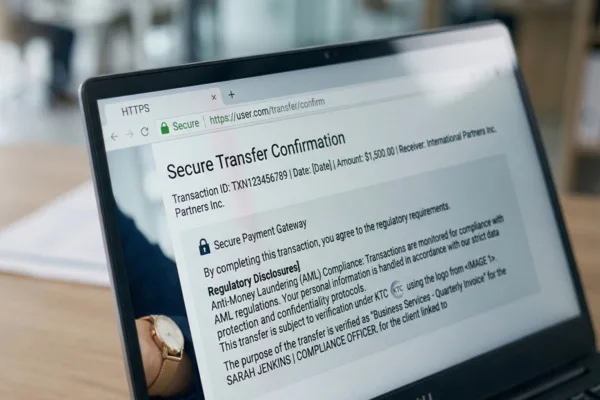
Customer Responsibilities, Tax Exposure And Cross-Border Considerations
While providers carry formal reporting obligations, customers play a critical role in compliant money transfers. Tax exposure, documentation readiness and cross-border awareness directly influence transaction outcomes. Understanding personal responsibilities helps reduce delays, prevent reporting misunderstandings and ensure smoother processing within regulated financial environments.
Consumer Protection And Remittance Rights
Consumer protection laws establish disclosure standards for exchange rates, fees and delivery timelines. Customers have rights to receive accurate receipts and pre-payment disclosures before authorizing transfers, as explained by the Consumer Financial Protection Bureau sending money abroad guidance. Certain international remittance rules also provide cancellation windows under defined conditions.
Understanding these rights reduces confusion when comparing services or disputing errors. Customers should review provider disclosures carefully before confirming any transaction.
Cluster articles can further explain refund rights, error resolution timelines and dispute processes in depth.
When Transfers May Have Tax Implications
Most personal remittances do not generate income tax liability for the sender. However, transfers tied to gifts, business income or investment proceeds may carry tax consequences. International transfers may also intersect with foreign account reporting requirements under federal law.
Customers should differentiate between sending personal funds and transferring reportable income. Tax liability depends on underlying financial activity, not the payment channel used. General financial education resources such as the FDIC Money Smart consumer education program can help individuals understand broader financial responsibilities.
Compliance awareness block:
- Gift tax rules may apply above annual exclusion thresholds.
- Business-related transfers may require income reporting.
- Foreign account holdings may trigger separate disclosure obligations.
Cluster articles can provide detailed explanations of IRS forms and filing responsibilities for specific circumstances.
IRS Reporting And Financial Transparency
Certain financial institutions must report specific transactions to the Internal Revenue Service. These reporting rules aim to improve transparency rather than impose automatic tax assessments. Broader exchange rate policy and international financial oversight are shaped by frameworks such as the U.S. Treasury exchange rate analysis and policy guidance, which inform how cross-border financial activity is evaluated at a national level. Customers do not typically file reports solely because they initiated a standard remittance.
However, underlying income, gifts or foreign assets may require separate disclosure by the taxpayer. Consulting a qualified tax professional helps clarify obligations in complex situations.
Expanded cluster content can explain reporting thresholds, form numbers and compliance strategies for individuals and businesses.
International Transfers And Cross-Border Complexity
Cross-border transfers introduce additional regulatory layers involving foreign jurisdictions and currency controls. Exchange rate fluctuations can affect settlement amounts, and customers can review official benchmarks through Federal Reserve H.10 foreign exchange rate data when comparing currency movements. Some countries impose capital controls, reporting requirements or documentation standards for incoming funds. Intermediary banks may also affect transaction transparency.
Customers sending funds abroad should verify destination country requirements before initiating large transfers. Understanding corridor-specific rules reduces the risk of rejection or compliance-related delays.
Cluster articles can explore country-specific requirements and evolving international transfer laws in detail.
Preparing For A Regulated Transfer
Before initiating a transfer, customers should confirm recipient details and understand applicable fees. They should also gather identification documents that may be required for verification. Clear communication with the recipient reduces errors that could trigger compliance reviews.
Proactive preparation minimizes transaction friction and accelerates approval timelines. Customers with questions about documentation or transfer logistics can consult the Contact Us page for direct assistance.
Cluster articles can provide step-by-step preparation guidance for specific transfer scenarios.
Avoiding Common Compliance Mistakes
Incomplete beneficiary information often causes avoidable delays in regulated transfer environments. Attempting to divide transactions to avoid thresholds may trigger enhanced scrutiny instead. Misstating the purpose of funds can also lead to verification requests or temporary holds.
Customers should answer compliance questions truthfully and consistently across transactions. Transparency protects customers and strengthens overall financial system integrity.
Working With Regulated Providers
Choosing a licensed and regulated provider enhances security and compliance confidence. Regulated services maintain internal monitoring systems aligned with federal and state requirements. They also provide disclosures explaining fees, exchange rates and transfer timelines clearly.
Customers should review provider credentials, licensing information and published compliance statements before transacting. Reliable providers integrate compliance safeguards seamlessly into the user experience.
Cluster content can evaluate how money transfer businesses implement compliance programs internally.
Key Takeaways
- Money transfer regulations combine consumer protection, fraud prevention and financial crime controls across the entire transaction lifecycle.
- Providers verify identity and collect transaction details because regulators require oversight and criminals target transfer channels.
- Reporting can occur without tax liability so you should document purpose, source and recipient relationship for each transfer.
- Larger or international transfers increase scrutiny so you should plan ahead and maintain organized supporting documentation.
- Choosing a licensed provider with transparent disclosures reduces compliance risk and improves overall transfer confidence.
Conclusion
Money transfer regulations may appear complex, yet you can navigate them confidently with clear information and preparation. Regulators expect providers to verify identity, monitor activity and maintain records as standard protective measures. Taxes generally relate to the transaction purpose, so you should distinguish income, gifts and business payments carefully. Reporting requirements support financial system integrity, so timely responses and accurate details reduce unnecessary delays.
Selecting licensed providers with transparent disclosures helps you meet obligations while protecting your funds. Approach every transfer deliberately, document key details and proceed with confidence using compliant, well regulated services.
Send your next money transfer today with a licensed provider that offers transparent pricing, secure verification and reliable tracking.
Disclaimer: This article provides general educational information and does not replace personalized tax, legal or compliance advice.
Note: Order Express is registered with the Financial Crimes Enforcement Network (FinCEN) as a licensed Money Services Business (MSB) under the Bank Secrecy Act (BSA). We strictly follow Know Your Customer (KYC), Anti-Money Laundering (AML), and record retention requirements. These practices ensure that all financial transactions are secure, transparent, and compliant with federal and state regulations.
FAQs
Which personal details should I expect to provide when sending an international money transfer through a licensed provider?
You typically provide identification and contact details plus recipient information because providers verify parties and prevent fraud. You may also provide funding and purpose details when amounts, destinations or patterns trigger additional screening.
Do money transfer companies report every transaction to authorities when I send funds to family members abroad?
Providers do not report every transfer but they monitor activity and file required reports for specific triggers. They also retain records for audits and investigations even when your transfer remains routine and lawful.
Can taxes apply when I transfer money abroad or do taxes depend on the underlying transaction purpose?
Taxes rarely apply to the transfer itself but they may apply to gifts, income or business payments. You should document the reason for the transfer because tax treatment depends on facts, amounts and residency.
What happens when my transfer reaches common compliance thresholds and why do providers request extra documents?
Providers may request documents to verify identity and purpose because higher amounts increase scrutiny and fraud risk. They may delay delivery briefly because reviews confirm lawful sources and prevent misdirected payments or scams.
How long should I keep receipts and related records for money transfers when future proof may be required?
You should retain receipts, confirmations and related documents for several years because disputes or audits arise later.Follow local retention guidance and professional advice because requirements vary by country and individual circumstances.

Alvin is a Content and SEO Specialist who creates clear and helpful content about money transfers and payment systems. He focuses on making complex topics easy to understand so readers can learn how these services work in everyday situations.


