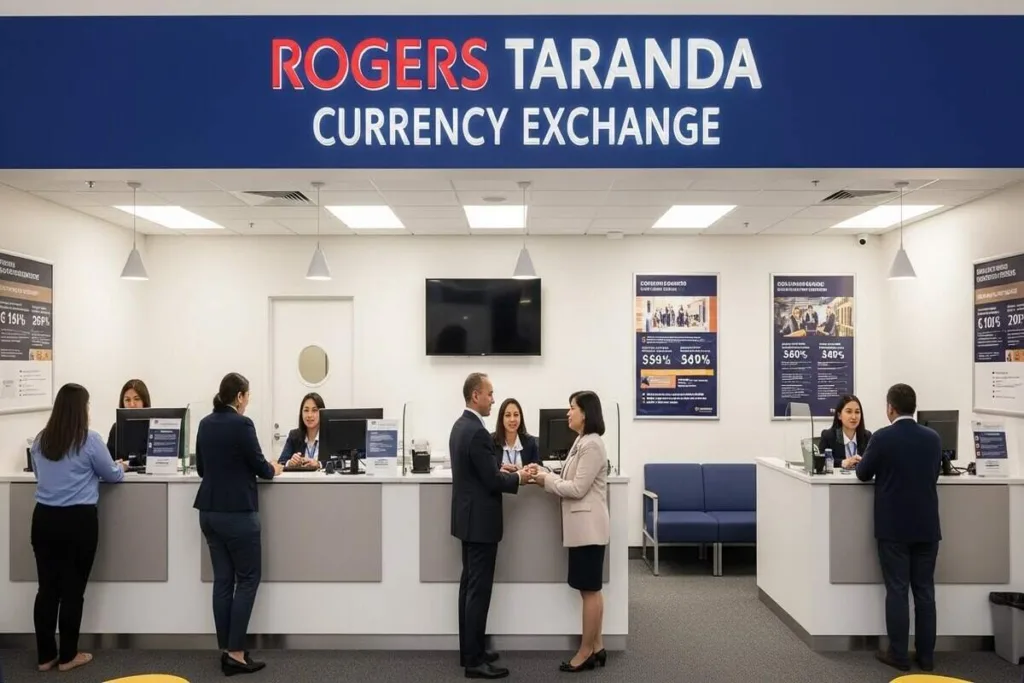
Currency exchange plays a direct role in how much your money is worth across borders. Whether you travel, shop online or send funds abroad, conversion rates affect the final amount. Many basic users underestimate how small rate differences influence everyday financial decisions. Even minor fluctuations can change what you pay or what recipients receive. Services offered through platforms such as Order Express operate within this global pricing structure.
Understanding currency exchange helps you avoid unnecessary costs during routine transactions. It also allows you to compare providers with greater confidence before committing funds. Today’s digital payments make cross-border spending faster but more sensitive to rate changes. Knowing why currency exchange matters helps you make smarter financial choices.
For broader context, read our pillar guide, Understanding How Everyday Currency Exchange Services Work. It explains why currency exchange matters for basic users today. It also helps you avoid unnecessary fees and make informed decisions.

Currency exchange directly affects everyday financial decisions
Currency exchange matters because exchange rates immediately determine how much money users actually receive or spend. When you travel, shop online, or send money abroad, rates directly influence final transaction costs. Small percentage differences between providers can significantly change the total amount you pay or receive. Understanding this impact helps users avoid unexpected losses during otherwise simple financial transactions.
Note: Exchange rates and fees vary by corridor, payment method, and time; review the final quote/receipt before confirming. Rates are unpredictable; prioritize deadlines and certainty over waiting for a better rate.
Exchange rates influence real purchasing power
Exchange rates determine real purchasing power because they convert one currency’s value into another instantly. When the rate moves even slightly, your available spending amount changes at the same time. This shift directly affects how much goods, services or foreign currency you can obtain. Travelers, students and online shoppers experience these changes immediately during payment processing.
As shown in Federal Reserve foreign exchange rate data (H.10), currency values fluctuate daily based on global market activity. Understanding this connection helps you anticipate cost differences before completing transactions.
If the rate weakens against the destination currency, your funds buy less than originally planned. A stronger rate, however, increases the foreign currency you receive for the same amount. These fluctuations occur daily based on supply, demand and broader economic conditions. Basic users do not need technical analysis to recognize practical consequences. Monitoring general movement trends often provides sufficient awareness for planning purposes.
For example, a three percent weaker rate can noticeably reduce overall spending capacity abroad. This reduction becomes more significant when converting larger sums for tuition or property payments. A modest percentage shift may translate into hundreds of dollars in difference. Paying attention before confirming a transaction can protect your effective purchasing power.
Note: Exchange rates directly change how much foreign currency you receive for your local money. Even minor rate differences can significantly affect purchasing outcomes in practical transactions.
Hidden fees reduce the amount you actually receive
Currency exchange services often include margins or service fees within displayed exchange rates. These embedded costs reduce the final amount you receive without appearing as separate charges.
For broader consumer education on evaluating financial products, the FDIC Money Smart financial education program explains how pricing transparency supports informed decision making.
When reviewing a provider, check for:
- Displayed exchange rate versus interbank rate difference
- Flat service fees added during checkout
- ATM or card network conversion charges
- Dynamic currency conversion options at point of sale
Each of these factors can affect the final cost beyond the visible exchange rate.
Timing impacts transaction value
Currency values fluctuate daily based on global market demand and ongoing economic activity. Even within a single week, exchange rates can shift enough to affect meaningful savings.
The U.S. Treasury exchange rate policy overview explains how governments monitor currency markets and broader economic conditions that influence valuation trends.
Users planning travel or international payments benefit from reviewing rates before finalizing exchanges. Checking rates several times during the week provides a clearer picture of recent movement. This habit does not require technical expertise or advanced financial tools. Many licensed providers publish live or near real-time exchange rates online. Comparing those rates allows you to avoid committing funds during temporary unfavorable swings.
Strategic timing helps secure more favorable conversion outcomes without complex financial knowledge. Waiting for modest improvements can increase the final amount received abroad. However, deadlines should always guide decisions when payments are time-sensitive. Balancing urgency with awareness ensures practical and informed transaction choices.
Know the difference between interbank and retail rates
The interbank rate reflects wholesale currency trading between major financial institutions worldwide. Banks and large entities use this benchmark when exchanging significant volumes between themselves. Financial news platforms often display this rate as the market reference point. However, individual consumers rarely access this rate directly during personal transactions. Understanding its role clarifies how currency pricing begins within global markets.
Retail exchange providers add a margin to cover operational costs and generate profit. This margin adjusts the rate offered to everyday customers during conversions.
For example, when arranging an international money transfer service, the displayed retail rate will include a margin above the interbank benchmark. Recognizing this pricing structure prevents confusion when checking live financial data online.
The added spread varies depending on provider policies and transaction size. Smaller transactions sometimes carry proportionally higher margins than larger transfers. Comparing provider quotes reveals how much markup each service applies.
This difference explains why published market rates differ from consumer conversion rates. The gap represents the provider’s compensation rather than market inconsistency. Recognizing this pricing structure prevents confusion when checking live financial data online. Users who understand the spread can evaluate offers more realistically. Clear expectations support better decision-making before confirming any exchange transaction.
Note: Retail exchange rates always include a markup above interbank market rates.
Comparing providers reveals how much each service adds to the base rate.
Understanding this concept prevents unrealistic assumptions about available exchange pricing.
Monitor exchange confirmations carefully
After completing a transaction, always review the final exchange summary provided by your service provider. Financial institutions must follow federal reporting requirements such as those outlined under 31 CFR 1010.311 Currency Transaction Reporting obligations, which apply to regulated entities handling certain transactions. These rules are legal obligations for institutions, not requirements placed on individual customers.
Confirm the applied exchange rate, total fees and converted payout amount without delay. Compare the final figures against the quoted estimate shown before transaction approval. Small differences sometimes occur due to timing between rate lock and settlement. Identifying discrepancies quickly allows you to contact customer support while records remain accessible. Prompt attention increases the likelihood of efficient issue resolution.
Careful review builds long-term confidence when using currency exchange services regularly. Consistent monitoring helps you understand how rates and fees affect real outcomes. This habit strengthens financial awareness without requiring specialized expertise. Over time, informed verification supports smarter decisions for future transactions.

Currency exchange supports essential global activities for basic users
Currency exchange enables cross-border transactions that everyday users increasingly perform through digital platforms. Without accessible conversion services, international purchases and transfers would become unnecessarily complicated. Basic users rely on exchange providers to bridge payment differences smoothly and securely.
Travel requires reliable currency access
Travelers need local currency to pay for transportation, accommodation and daily expenses. Many destinations still depend on cash for smaller vendors and services. Exchanging money before departure prevents unfavorable airport rates or emergency conversions abroad. Using trusted services ensures transparent pricing and predictable travel budgeting.
Before traveling, consider these preparation steps:
- Compare rates between banks, exchange counters and digital platforms.
- Confirm whether your debit or credit card charges foreign transaction fees.
- Exchange a small amount in advance for immediate arrival expenses.
These steps reduce stress and prevent rushed decisions at unfamiliar locations.
Online shopping increasingly involves foreign currencies
Many online retailers price products in foreign currencies, particularly on large international marketplaces. Shoppers often encounter listings displayed in dollars, euros or other global currencies. This pricing structure requires automatic currency conversion at the time of payment.
The Consumer Financial Protection Bureau guidance on sending money internationally explains how exchange rates and fees affect cross-border payments and consumer protections. The exchange rate applied determines the final amount charged to your account. Small differences between displayed and settled amounts can surprise unprepared buyers.
If your payment method converts currency automatically, it may include higher conversion margins. Some platforms use dynamic currency conversion, which adds additional markups during checkout. These markups are often embedded within the displayed conversion rate. Buyers may not immediately recognize that a less favorable rate is applied. Reviewing payment details carefully reduces the risk of hidden exchange costs.
Selecting the correct billing currency can reduce unnecessary exchange markups during checkout. Paying in the retailer’s local currency sometimes results in better overall pricing. Comparing the converted total before confirming payment supports smarter purchasing decisions. Understanding conversion terms helps users avoid paying more than the listed price. Awareness during checkout protects your spending power across repeated international purchases.
Note: When paying online, your bank or card network may convert currency at its own rate. This rate can differ from the retailer’s displayed conversion estimate.
Users who review currency settings before confirming payment maintain greater control over costs.
International money transfers depend on fair conversion rates
Sending money to family or service providers abroad requires accurate currency conversion. Transfer platforms calculate the payout amount using their own exchange rate. A weaker offered rate means the recipient receives less local currency. Even a small margin difference matters when sending recurring support payments.
When evaluating transfer providers, compare:
- Exchange rate transparency
- Upfront transfer fees
- Delivery speed
- Final amount received by the beneficiary
Comparing the final payout gives clearer insight than focusing only on fees.
Compare service types before transacting
Banks, online platforms and physical exchange counters offer different pricing structures. Each provider may prioritize convenience, speed or competitive rates differently. Evaluating options ensures you match the service to your specific transaction need. You can review a broader overview within our pillar guide, Understanding How Everyday Currency Exchange Services Work.
Before selecting a provider, assess these conditions:
- Transaction size and urgency
- Whether cash or digital transfer is required
- Availability of rate locks or alerts
- Total cost after all fees
These factors influence overall value more than rate comparison alone.
Key takeaways
- Currency exchange directly impacts how much value users receive during travel, shopping and transfers.
- Small rate differences and hidden fees can significantly affect final transaction outcomes.
- Comparing providers, understanding retail markups and monitoring confirmations protects your purchasing power.
- Basic awareness enables smarter decisions without requiring complex financial knowledge.
Conclusion
Currency exchange influences how much value you keep when spending, traveling or sending money internationally. Understanding rates, retail markups and timing allows you to reduce avoidable conversion losses. Small improvements in rate comparison can produce noticeable savings over repeated transactions.
Basic awareness also helps you evaluate transparency and avoid hidden margins. When you choose a reliable provider, you gain clearer pricing and predictable outcomes. Order Express supports everyday users with straightforward exchange processes and competitive conversion structures.
Before your next international payment or purchase, compare your options carefully. Take a moment to review rates and fees, then transact confidently by visiting Order Express.
Disclaimer: This article provides general educational information about currency exchange practices for everyday users. It does not constitute financial advice or recommend any specific provider or transaction strategy.
Order Express is registered with FinCEN as a Money Services Business (MSB). We maintain a BSA/AML compliance program, including customer identification where required, AML controls, and recordkeeping.
FAQs
Why do exchange rates change every day?
Exchange rates fluctuate daily due to global supply and demand, economic data, interest rates and geopolitical developments affecting currency markets.
How can I tell if a provider includes hidden fees?
Compare the offered rate to the interbank rate and review the final payout amount after all listed fees are applied.
Is it better to exchange money before traveling?
Exchanging a small amount before travel can prevent emergency conversions at airports, which often offer less competitive rates.
Do online marketplaces use the same exchange rate as banks?
No, online marketplaces and payment processors may apply their own conversion margins, which can differ from standard bank retail rates.
What should I check after completing a currency exchange transaction?
Always review the confirmation receipt to verify the applied rate, total fees and final converted amount received or charged.

Alvin is a Content and SEO Specialist who creates clear and helpful content about money transfers and payment systems. He focuses on making complex topics easy to understand so readers can learn how these services work in everyday situations.