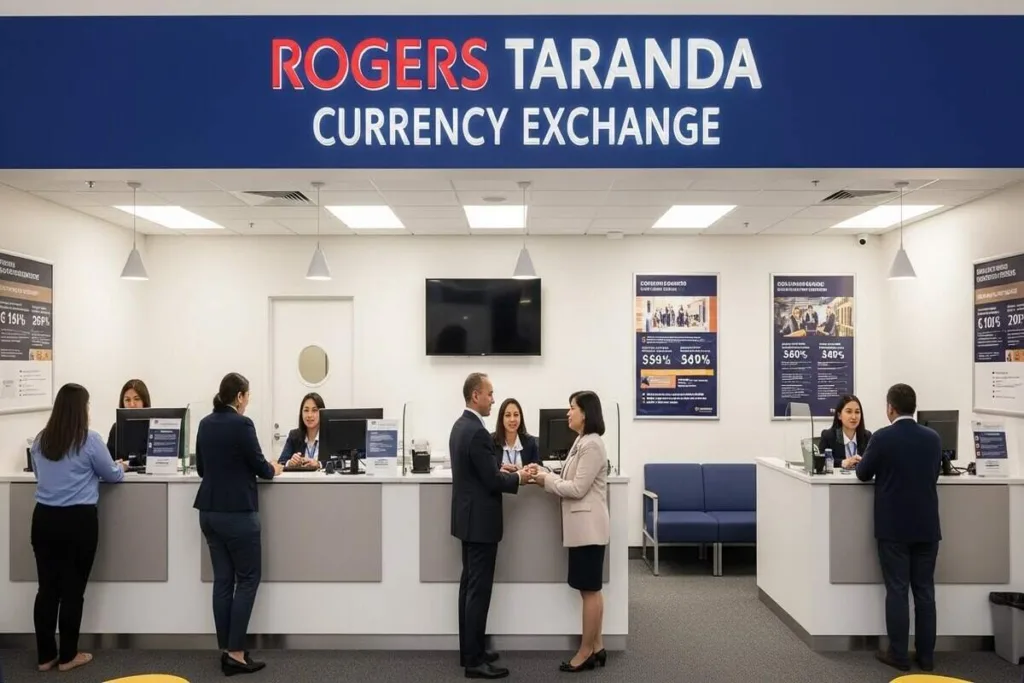
Understanding how limits work when exchanging multiple currencies helps you know what to expect before you visit a Currency Exchange provider. Multi-currency transactions follow specific rules that protect consumers, prevent fraud and ensure compliance with financial regulations. Providers combine all currencies you exchange into one total, verify your identity and confirm the source of your funds to determine whether additional documentation is required. These limits may apply per visit or per day, depending on the service location. Knowing how totals are calculated, how different currencies contribute to thresholds and how exchange rates affect your final amount helps you prepare the right identification, estimate your combined value and avoid delays during a multi-currency exchange.
For broader insights into consumer-focused exchange information, review our main resource on currency exchange services for consumers.
Who is this for? This guide is helpful for travelers, remitters, and small business owners who need to exchange multiple currencies in one visit.

Why Exchange Limits Exist When Handling Multiple Currencies
Consumers often discover that exchanging more than one currency involves structured limits that protect both the customer and the financial system. Whether you use a Currency Exchange service, visit a Foreign Currency Exchange provider or search for a Currency Exchange, regulations may require providers to verify your identity depending on the transaction, confirm the source of your funds and ensure the combined amount you convert meets documentation requirements. These safeguards are part of federal regulatory standards designed to prevent financial crime, as outlined in resources such as the FinCEN Guidance Hub. Providers, including Order Express, may apply additional internal procedures based on these rules.
How Providers Apply Regulatory Rules To Currency Exchange
When you exchange multiple currencies in one visit, each transaction is subject to regulatory requirements that help financial service Providers may verify your identity and may request information about the source of funds. These regulatory requirements apply regardless of the number of currencies exchanged. Individual providers may implement specific processes to follow these rules, which can vary depending on the institution, guided by standards such as the FFIEC BSA AML Manual.
How Transaction Totals Influence Your Combined Limit
Most providers calculate limits by reviewing the combined value of all currencies you exchange during your visit. For example, exchanging euros and pounds in separate line items typically counts as one aggregated transaction. This means your provider may assess documentation needs or apply approval steps based on the sum of every converted amount, not each currency handled independently. According to Federal Reserve foreign exchange rate data, evaluating total value often requires converting each currency into a standard reference currency.
A quick summary after the explanation:
- Providers typically aggregate all currency amounts you exchange
- Combined totals determine documentation thresholds
- Individual currency types rarely create separate limits unless noted by the provider
For example: If you exchange EUR and GBP, both amounts are converted into their U.S. dollar equivalent and added together. The combined USD total determines whether additional documentation is required.
How Verification Requirements Increase With Higher Amounts
As combined exchange amounts rise, verification requirements increase proportionally. Providers may ask for additional identification, supporting documents or brief explanations of transaction purposes. These steps are based on regulatory expectations for transactions that exceed certain thresholds. While the specific documents requested may vary by provider, the purpose is to ensure legitimate activity. When prepared, the process remains efficient and straightforward.

What To Expect From Currency Exchange Limits In Multi-Currency Transactions
When you complete a Currency Exchange transaction involving more than one type of currency, providers evaluate limits using a set of practical rules designed to protect consumers and maintain regulatory compliance. Whether you visit a Foreign Currency Exchange counter at a travel hub or search for a Currency Exchange service in your neighborhood, the same core principles apply. Understanding how regulatory thresholds are applied, how providers assess transaction totals, and how currency conversions are evaluated helps you prepare confidently and avoid delays during your visit.
How Day-Based And Visit-Based Limits Differ
Some exchange locations use per-visit limits, while others use per-day limits. Per-visit limits apply only to the moment you are transacting, meaning additional exchanges later the same day may trigger higher verification needs. Day-based limits, in contrast, track your total activity across the business day, even if completed in separate visits.
How Different Currencies Contribute To The Total Threshold
Even when exchanging multiple currencies, totals are usually calculated in a single reference currency such as U.S. dollars. Providers convert each currency value into the reference amount to determine whether the aggregate total meets documentation thresholds. Guidance from the U.S. Treasury exchange rate policy overview explains why consistent valuation is essential for regulatory compliance.
How Fees And Conversion Rates Factor Into The Calculation
Transaction amounts are typically evaluated based on the value of the currency being exchanged, before the addition of any provider fees. However, conversion rates can influence the USD-equivalent value, which may increase how quickly your combined total approaches applicable limits. If you need assistance understanding how fees interact with other services, you may find support through Order Express offerings such as money transfer services.

How To Prepare For A Smooth Currency Exchange Experience
Preparing for a Currency Exchange, especially when handling multiple currencies at once, becomes much easier when you understand how providers calculate totals, verify documentation, and apply transaction thresholds. Whether you are searching for Foreign Currency Exchange services online or looking for a trusted Currency Exchange near me, taking a few proactive steps helps streamline your visit and prevents unexpected delays. To learn more about consumer readiness, resources like the FDIC Consumer Resource Center provide helpful educational material.
How To Estimate Your Combined Exchange Total In Advance
Before visiting a provider, it helps to estimate the total value of all currencies you plan to exchange. Doing this in advance ensures you have the correct identification and supporting materials needed for the combined amount. If your total approaches common documentation thresholds, planning ahead can save time and avoid repeat visits. If you need general financial service support, providers such as Order Express also offer check cashing assistance.
A brief bullet list after the explanation:
- Check estimated rates for each currency
- Add converted values together to calculate the total
- Bring identification suitable for your projected amount
How To Avoid Delays When Documentation Is Required
If your combined exchange amount requires additional verification, being prepared helps prevent unexpected delays. Based on regulatory guidelines, providers may ask for a valid ID, confirmation of address, or a brief explanation of how the funds were obtained, depending on the transaction total. These requirements protect both you and the service provider from processing transactions that could violate regulatory standards, such as those described in the AML Act.
Note: Providers may also screen transactions against applicable sanctions lists as required by law.
How To Decide Whether To Split Transactions Across Visits
Some consumers choose to split multi-currency exchanges across multiple days to remain below specific documentation thresholds. While this approach is sometimes possible, it should not be used to bypass verification steps required by law. Structuring transactions to avoid thresholds is a violation of federal rules. If you are unsure whether to complete your exchanges at once or across visits, you may contact a provider directly through resources such as the Order Express contact page for guidance.
Note: Attempting to evade reporting or recordkeeping requirements by structuring transactions may violate federal law.
If you want to explore related topics about preparing for currency transactions, visit our main resource page: Understanding Currency Exchange Services for Consumers.
Conclusion
Understanding how limits work when exchanging multiple currencies helps you move through every transaction with confidence and fewer delays. By understanding how regulatory thresholds work, how totals are calculated, and how providers apply compliance checks, you can prepare the right documents and estimate your total before visiting a service location. Checking rates early, bringing proper identification and knowing whether limits apply per visit or per day ensures a smoother experience from start to finish. When you are ready to complete your next multi-currency exchange, speak with a provider who can guide you through the exact limits and documentation required, helping you complete your transaction quickly, accurately and in full compliance.
Customers who need in-person assistance should first check the store locator to find nearby representatives and verify that services are available before continuing with any urgent transactions.
Ready to exchange multiple currencies? You can visit your preferred service location and ask a representative to walk you through the limits that apply to your specific transaction.
Educational Disclaimer: This article provides general educational information only and does not replace official requirements, legal guidance or provider-specific policies.
Requirements vary by transaction type, amount, and jurisdiction. Providers may request additional information to meet BSA/AML compliance obligations.
Key Takeaways:
- Multi-currency exchanges use combined totals to determine limits.
- Providers verify identity and fund sources for compliance.
- Limits may apply per visit or per day.
- All currencies are converted into one reference value for threshold checks.
- Preparing totals and ID helps avoid delays.
FAQs
How do providers calculate limits for exchanging multiple currencies?
Providers combine all currencies you exchange into one total, convert them into a reference value and apply documentation thresholds based on that aggregated amount.
What documents do I need for a multi-currency exchange?
Most providers require a valid ID. Higher totals may also require proof of address or information about how you obtained the funds.
Why do some exchanges have per-visit limits?
Per-visit limits help providers control risk in a single transaction. Once exceeded, extra verification or documentation may be required.
How can I avoid delays during a Currency Exchange?
Prepare by estimating your total amount, checking rates, bringing valid identification and confirming whether additional verification might apply.
Should I split my currency exchanges across multiple days?
You can split transactions if preferred, but never to avoid verification. Ask your provider whether completing everything at once is more efficient.

John is a Content & SEO Specialist who enjoys breaking down complex financial topics, like cross-border payments and money transfers, into content that’s easy to understand. He focuses on creating practical, search-driven content that helps people find answers and make informed decisions.