


Bitcoin ATMs offer a convenient way to buy or sell cryptocurrency, and they can be both safe and private. They serve as an accessible bridge between cash and digital assets, especially for those without access to traditional financial services. However, how secure and private your transaction is will depend on a few key factors. These include where the ATM is located, who operates it, and how much you’re sending or receiving.
In general, smaller transactions often require little to no personal information. But if you’re moving a larger amount, you may need to provide an ID or phone number to complete the process.
This guide will walk you through what really affects the safety and privacy of Bitcoin ATMs, so you can make informed decisions when using one. Whether you’re new to crypto or a regular user, understanding these details can help protect your money and your identity.
Key Takeaways
- Bitcoin ATMs are a quick and easy way to buy Bitcoin with cash. They’re great for beginners and people without bank accounts but often come with fees and options.
- Crypto exchanges usually offer lower fees, more coins to choose from, and powerful trading tools. However, they often require ID checks and a bank account for cashing in or out.
- Choosing the right option depends on your goals. Think about how much you’re transacting, your need for privacy or security, what’s available nearby, and local rules.
Comparison: Bitcoin ATMs vs Crypto Exchanges
Both Bitcoin ATM and crypto exchanges allow you to buy and sell cryptocurrency, but they work in very different ways. The choice between them depends on what matters most to you , whether it’s speed, convenience, cost, or security.
They vary in several key areas like how easy they are to use, how fast transactions are completed, how much they charge in fees, and what types of cryptocurrencies they support.
Here’s a side-by-side look at the main differences to help you decide which is the better fit for your needs.
How Bitcoin ATMs and Crypto Exchanges Work
Both Bitcoin ATMs and crypto exchanges allow you to buy and sell cryptocurrency, but they work in very different ways. The choice between them depends on what matters most to you, whether it’s speed, convenience, cost, or security.
- Bitcoin ATMs are located at physical kiosks, which means you’ll need to visit one in person to complete a transaction. They are ideal for fast, cash-based purchases and typically process transactions instantly. These machines also offer a level of privacy, especially for smaller amounts, as some do not require ID verification. Most Bitcoin ATMs primarily support Bitcoin, with a few offering major altcoins like Ethereum or Litecoin. Regulatory requirements can vary by location; while some machines may not require identification, others might request it based on local laws. Fees generally range from 5% to 20%, reflecting the added convenience of in-person, cash-based service.
For a secure and reliable experience, we recommend visiting an Order Express Bitcoin ATM. With trusted locations and professionally managed machines, Order Express ensures your transaction is both safe and straightforward.
- Crypto exchanges operate entirely online, allowing users to trade from anywhere with internet access. They offer lower fees, typically between 0.1% and 3%, but bank transfers can take a few days to process. Unlike most Bitcoin ATMs, exchanges require full ID verification to meet KYC and AML rules. They support a wide range of cryptocurrencies, giving users more options for trading and investing. Their regulated structure provides a secure and organized environment for digital asset transactions.
Accessibility, Transaction Speed, and User Experience
Bitcoin ATMs are placed in physical locations like convenience stores, shopping centers, and transit hubs. This makes them a quick option for cash-based transactions, especially for people who prefer face-to-face interactions or don’t have a bank account. However, you need to travel to the nearest machine, and availability depends on your local area. Some regions may have limited or no access at all.
Crypto exchanges, on the other hand, are fully online. You can buy, sell, or trade cryptocurrencies from anywhere, at any time, as long as you have internet access. While they offer more flexibility and tools, you’ll need to create an account and go through a verification process before you can get started.
Bitcoin ATMs offer near-instant transactions when converting cash to cryptocurrency. This makes them a fast option if you need Bitcoin quickly. However, if you’re using a two-way ATM to sell crypto for cash, the wait time can vary. Network congestion or confirmation delays may slow things down.
Crypto exchanges handle crypto-to-crypto trades quickly, often within minutes. But when you’re moving fiat money, like making a bank withdrawal or using a credit card, the process can take several days because of standard banking procedures.
Fees, Security, and Privacy Factors
Bitcoin ATMs include service fees that support the convenience of fast, in-person transactions and easy cash access. These fees may vary based on the machine, location, and operator, and some ATMs may also include a small charge for withdrawals. The added cost helps maintain secure operations, reliable service, and 24/7 accessibility in many locations. Before using a machine, it’s a good idea to review the posted fees so you know exactly what to expect.
Bitcoin ATMs can offer a higher level of privacy, especially for smaller cash transactions that may not require ID verification. This makes them a preferred option for users who value anonymity. Like any physical device, it’s important to use machines in trusted locations, as any public hardware can be vulnerable if not maintained properly. Choosing well-placed, professionally managed ATMs helps reduce risk.
Crypto exchanges follow strict identity verification (KYC) requirements and store user funds online. While this adds layers of regulation and structure, it also means users must share personal information. Many exchanges use advanced security measures like cold storage and encrypted systems to protect customer assets. The right choice depends on your privacy preferences and comfort with digital platforms.
Supported Coins, Regulation, and Platform Flexibility
Bitcoin ATMs are designed with simplicity in mind and primarily support Bitcoin, making them easy to use for quick transactions. Many machines also offer popular altcoins like Ethereum or Litecoin, depending on the operator. If your goal is a straightforward transaction with major cryptocurrencies, a Bitcoin ATM offers a fast and direct solution.
Crypto exchanges typically offer a wider range of digital assets, including hundreds of cryptocurrencies. This gives users more options for trading, investing, or exploring new tokens.
Bitcoin ATMs operate under different rules depending on the region. In some areas, users can complete transactions with little or no ID, especially for smaller amounts. In other locations, machines may request identification to meet local compliance standards. This flexibility allows users to choose machines that align with their privacy preferences and local laws.
Crypto exchanges are typically required to follow strict Know Your Customer (KYC) and Anti-Money Laundering (AML) regulations. Users must verify their identity before trading or withdrawing funds. Both options aim to protect users and follow financial guidelines, but the level of verification and oversight can vary based on platform type and location.
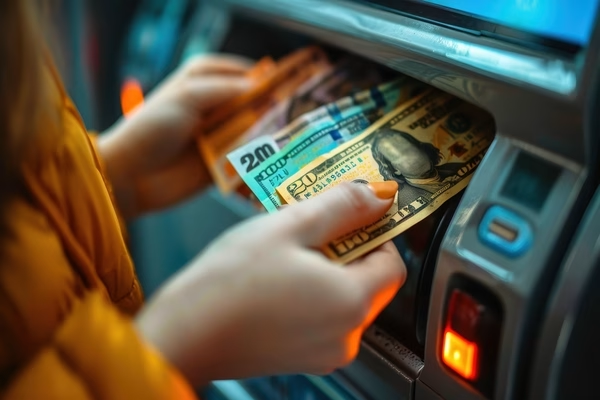
What Are Bitcoin ATMs?
A Bitcoin ATM (BTM) is a physical kiosk that lets users buy or sell Bitcoin and other cryptocurrencies using cash or a debit card. Unlike traditional ATMs that dispense physical money, Bitcoin ATMs connect to a cryptocurrency exchange or digital wallet to process secure, digital transactions.
To buy Bitcoin, users insert cash into the machine. The equivalent amount is then sent directly to their crypto wallet after scanning a QR code. Some machines also support selling, allowing users to convert Bitcoin back into cash.
Bitcoin ATMs are designed to be simple and fast. The process typically takes just a few minutes, making it ideal for users who want a quick, straightforward way to access crypto without using a traditional exchange.
Evolution and Adoption of Bitcoin ATMs
The first Bitcoin ATM was installed in Vancouver, Canada in 2013. Since then, the number of machines has grown rapidly as public interest in cryptocurrency has increased. In 2017, there were fewer than 1,000 Bitcoin ATMs worldwide. By 2024, that number had climbed to over 35,000, with the majority located in the United States, Canada, and Europe.
This rapid growth is driven by rising demand for convenient crypto access, evolving regulations, and growing investments in digital infrastructure. Today, Bitcoin ATMs are found in convenience stores, gas stations, shopping malls, and transportation hubs, making them more accessible to everyday users.
By offering a bridge between cash and digital currency, Bitcoin ATMs play a key role in making crypto available to those who may not use online banking or traditional financial systems.
Key Features of Bitcoin ATMs
One of the most important features of Bitcoin ATMs is their cash-to-crypto capability. This makes them a practical option for individuals who don’t have bank accounts or prefer to use cash. It provides a more inclusive path into the world of cryptocurrency.
Many Bitcoin ATMs are two-way machines, meaning they allow both buying and selling. This flexibility is useful for users who want to convert Bitcoin into fiat cash without going through an online exchange.
To meet local financial regulations, most machines include identity verification steps. Depending on the location and transaction amount, users may need to verify their identity using a phone number, government-issued ID, or biometric scan. These steps help ensure secure and compliant transactions.
Transactions are completed by scanning a QR code from your crypto wallet, which eliminates the need to manually enter long wallet addresses. This makes the process faster, safer, and more user-friendly, especially for those new to crypto.
Pros and Cons of Bitcoin ATMs
Bitcoin ATMs offer a fast, easy way to access Bitcoin, especially for users who value convenience and prefer to use cash instead of online payment methods. However, there are a few considerations to keep in mind.
Advantages of Bitcoin ATMs
- Ease of Use for Beginners
Bitcoin ATMs are simple to operate. Users just insert cash, scan their wallet QR code, and confirm the transaction. This makes them a great starting point for first-time crypto buyers who may find online platforms overwhelming. - Immediate Transactions
Unlike exchanges that can take time to process bank payments, Bitcoin ATM transactions are usually completed within minutes, giving users fast access to their funds. - No Need for a Bank Account
For people without bank access or who prefer not to link personal banking details to a crypto service, Bitcoin ATMs provide a direct, cash-based entry into the crypto market.
Considerations When Using Bitcoin ATMs
- Service Fees May Apply
Bitcoin ATMs often include service fees that support the convenience and speed of the transaction. These fees vary depending on the operator and location, so it’s helpful to check before starting. - Limited Availability by Region
While the number of machines is growing, not all areas have access to a Bitcoin ATM. Users may need to travel to find one nearby. - Transaction Limits
Most Bitcoin ATMs set daily limits on how much users can buy or sell, typically between $500 and $5,000 per day. This makes them better suited for everyday use rather than large-volume transactions.
Use Cases: When to Choose Bitcoin ATMs
Bitcoin ATMs are a smart choice for users who value speed, convenience, and the ability to use cash. While they may not offer the same range of features as online exchanges, they fill an important role for people who need fast, flexible access to cryptocurrency.
Here are a few situations where Bitcoin ATMs are especially useful:
- Quick, Small Transactions
Need Bitcoin right away? Bitcoin ATMs are ideal for fast, small transactions. With most purchases completed in just a few minutes, they’re a great option for anyone looking to buy crypto without delays. - Users Without Bank Accounts
For individuals who are unbanked or prefer not to rely on traditional financial systems, Bitcoin ATMs offer direct access to cryptocurrency using cash. This opens the door to crypto participation for people in underserved or cash-based communities. - Preference for Cash Transactions
Some users prefer to keep their financial activities private. Bitcoin ATMs can support that need, especially in locations where low-verification or anonymous cash transactions are allowed. Depending on the machine and local rules, some ATMs may require minimal or no ID for smaller purchases.
Bitcoin ATMs provide a flexible and accessible way to enter the crypto market, whether you’re short on time, banking options, or just prefer using cash.
What Are Crypto Exchanges?
A crypto exchange is an online platform where users can buy, sell, and trade digital currencies such as Bitcoin and Ethereum. These platforms act as intermediaries that match buyers with sellers and handle transactions securely. Unlike Bitcoin ATMs, which rely on physical machines and cash, crypto exchanges operate entirely online. Users are required to create an account, complete identity verification, and link a bank account or digital wallet to start trading.
Some exchanges support fiat-to-crypto transactions, which means users can purchase cryptocurrencies using traditional payment methods like credit cards or bank transfers. Others focus on crypto-to-crypto trades, allowing users to exchange one digital asset for another.
Types of Crypto Exchanges: Centralized vs. Decentralized
Centralized exchanges are managed by companies that handle user transactions and store funds. These platforms offer high liquidity, faster transaction speeds, and dedicated customer support. Because they hold user funds, they often require users to complete identity verification to comply with financial regulations. This makes them user-friendly and secure, but it also means trusting the platform with your assets.
In contrast, decentralized exchanges allow users to trade directly with one another without a central authority. These platforms operate on smart contracts and do not require identity verification. This offers more privacy and control, as users manage their own wallets and keys. However, decentralized exchanges usually have lower liquidity, fewer fiat options, and may involve higher transaction costs. They are best suited for users who already own cryptocurrency and prioritize privacy over convenience.
Key Features of Crypto Exchanges
Crypto exchanges provide access to a wide range of digital assets and offer integration with traditional financial systems. Most platforms come with features that support both casual and advanced users, including tools for price tracking, market analysis, and order execution. Whether you’re buying your first Bitcoin or trading across multiple assets, crypto exchanges offer the functionality needed to meet your goals.
Pros and Cons of Crypto Exchanges
Crypto exchanges come with several key advantages. One of the biggest is access to a large selection of cryptocurrencies, far beyond what Bitcoin ATMs typically offer. This includes major coins, stablecoins, and emerging tokens tied to innovative blockchain projects. For investors looking to diversify their portfolio, exchanges are the ideal choice.
Another benefit is the cost. Trading fees on exchanges are generally much lower than those found on Bitcoin ATMs. Many platforms offer tiered pricing, where fees decrease as your trading volume increases. This makes exchanges more cost-efficient, especially for frequent users or those handling larger amounts.
Advanced trading features are another highlight. Users can access order types like limit orders and stop-losses, along with tools such as margin trading, staking, and futures contracts. These capabilities provide more control and flexibility, helping users to make informed, strategic decisions.
That said, there are important considerations. Most centralized exchanges require full identity verification, which involves submitting photo identification and address documents. This process can take time and may be a barrier for users who prioritize privacy or want immediate access.
Security is another key factor. Because exchanges store user funds, they can be targets for hackers. Although most platforms implement strong security measures such as cold storage and multi-factor authentication, users must also take responsibility for safeguarding their accounts.
Lastly, using fiat currency on an exchange often requires linking a bank account or card. This creates some dependence on the traditional financial system, which can lead to transaction delays or regulatory oversight.
Security Best Practices for Crypto Users
Security should always be a top priority, whether you’re using a Bitcoin ATM or a crypto exchange. To stay safe, there are a few essential habits every user should follow.
When using a Bitcoin ATM, make sure to choose a trusted and well-placed machine. Only transact through ATMs operated by reputable providers. Before confirming any transaction, double-check the wallet address being used. Scanning an incorrect QR code could result in sending funds to the wrong recipient. It’s also important to be aware of common scams. Never follow instructions from someone claiming to be a government agent, technical support, or law enforcement telling you to deposit cash into a Bitcoin ATM.
In public places, always be aware of your surroundings to prevent anyone from observing or interfering with your transaction. Simple steps like shielding the screen and avoiding distractions can go a long way in keeping your data secure.
For online exchanges, enabling two-factor authentication is a must. This adds an extra layer of protection by requiring a one-time code in addition to your password. Using a strong, unique password for your exchange account is also essential. Never reuse passwords across multiple platforms, and consider using a password manager to keep track of your login information.
Whenever possible, withdraw funds to your own crypto wallet, especially for long-term storage. Keeping digital assets in a cold wallet, which is not connected to the internet, provides better protection against hacking attempts. Also, stay vigilant against phishing scams. Fake websites and fraudulent emails are common tactics used by attackers to steal user credentials. Always verify the website address before entering any sensitive information.
General Tips for Secure Crypto Transactions
Regardless of the platform, never share your private keys with anyone. Your private key gives full access to your crypto, and once lost or stolen, your funds cannot be recovered. Keep your crypto apps, wallets, and devices updated to prevent security vulnerabilities. Avoid using public Wi-Fi for any crypto transactions, as open networks can expose your information. Instead, use a secure and private internet connection when buying, selling, or managing digital assets.
Practicing these habits consistently will help you protect both your funds and personal information, whether you’re using an exchange or a Bitcoin ATM.
Use Cases: When to Choose Crypto Exchanges
Crypto exchanges are the better fit for users who trade frequently, manage larger investments, or want access to a wide variety of cryptocurrencies and advanced tools. If you’re looking for lower transaction costs and deeper functionality, exchanges offer more flexibility.
Here are key scenarios where crypto exchanges stand out:
- Large Volume Trades
When making high-value transactions, crypto exchanges offer a more efficient option. With lower fees and greater liquidity than Bitcoin ATMs, they are ideal for users who want to buy or sell significant amounts of cryptocurrency in a single trade. - Access to Diverse Cryptocurrencies
Exchanges give users access to hundreds of digital assets, including popular altcoins, DeFi tokens, stablecoins, and new project launches. This wide selection makes exchanges the preferred platform for users looking to build and diversify their crypto portfolios. - Need for Advanced Trading Tools
If you’re serious about trading, exchanges provide the tools to match. Features like stop-loss orders, margin trading, staking, and futures contracts allow users to apply advanced strategies and manage risk more effectively. These tools are essential for users aiming to do more than just buy and hold.
For users who value variety, control, and cost-efficiency, especially in larger or more complex transactions, crypto exchanges provide the full toolkit to trade smarter.
Conclusion
Choosing between a Bitcoin ATM and a crypto exchange depends on your goals, preferences, and transaction needs. If you want fast, cash-based access to cryptocurrency without linking a bank account, Bitcoin ATMs are a convenient choice, especially when time and privacy matter. For a reliable and secure experience, visit an Order Express Bitcoin ATM, available at trusted locations near you.
On the other hand, if you’re seeking lower fees, advanced tools, and access to a wide range of coins, a crypto exchange may be better suited for you, especially for larger trades or portfolio diversification.
Both options serve different use cases. The key is understanding what works best for your situation and ensuring you always follow best practices for privacy and security. Stay informed, stay secure, and make the choice that aligns with how you want to manage your crypto.
FAQs
Are Bitcoin ATMs safe to use?
Yes, Bitcoin ATMs are safe when used at trusted, well-maintained machines like those from Order Express.
Do Bitcoin ATMs require ID?
Some machines do, especially for large amounts. Smaller cash transactions may not require identification, depending on local laws.
What’s the difference between a crypto exchange and a Bitcoin ATM?
A crypto exchange operates online, while a Bitcoin ATM is a physical kiosk for cash-based transactions.
Which has lower fees, Bitcoin ATMs or exchanges?
Crypto exchanges usually offer lower fees, while Bitcoin ATMs charge more for convenience and accessibility.
Can I sell Bitcoin at a Bitcoin ATM?
Yes, many two-way Bitcoin ATMs allow users to sell Bitcoin and receive cash on the spot.

Alvin is a Content and SEO Specialist who creates clear and helpful content about money transfers and payment systems. He focuses on making complex topics easy to understand so readers can learn how these services work in everyday situations.


