


Bitcoin ATMs make it easier than ever to buy or sell cryptocurrency in just a few steps. But as more of these machines appear in stores, gas stations, and shopping centers, one question keeps coming up: do you need ID to use them? The short answer is yes. How much identification you’ll need depends on the provider and the amount of crypto you’re transacting.
Let’s break down how ID requirements work at Bitcoin ATM, what kind of documentation is accepted, and why these rules exist in the first place.
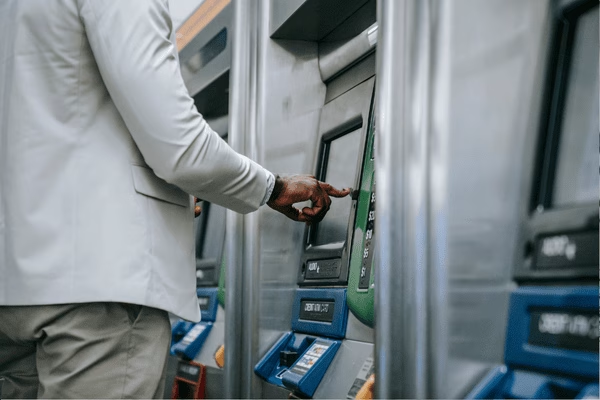
How Bitcoin ATM ID Policies Keep Your Transactions Safe
Before using a bitcoin ATM, it is important to understand how identification plays a role in each transaction. These machines are not only convenient but also subject to strict regulations designed to protect both the user and the financial system. Federal laws require operators to follow security protocols that verify user identity and monitor large or suspicious activity.
Whether you’re making a small purchase or exchanging a larger amount of cryptocurrency, knowing when and why ID is needed can help you avoid delays or failed transactions. From initial account setup to transaction limits and verification methods, the rules are in place to support safe, legal, and reliable use of bitcoin ATMs across the country.
Why Identification Is Required
Licensed Bitcoin ATM operators in the United States must comply with federal financial laws. These include Know Your Customer (KYC) and Anti-Money Laundering (AML) regulations. Just like banks or money transfer services, these rules are in place to detect and prevent illegal activity.
If you’re using a regulated Bitcoin ATM, expect to verify your identity. Some providers require full identification during account setup, while others ask for it only when you cross a specific transaction threshold.
Do All Bitcoin ATMs Ask for ID?
Yes, all licensed Bitcoin ATMs will eventually require some form of identification. For lower transaction amounts, some machines allow you to buy or sell crypto with only a phone number and a verification code. But once your activity passes certain limits, ID is required.
For example, many providers ask for a government-issued ID when transactions hit $3,000 or more. Go beyond $10,000 in a single day, and a Currency Transaction Report (CTR) must be filed with the Financial Crimes Enforcement Network (FinCEN).
All licensed Bitcoin ATM operators are required to file CTRs and SARs through the BSA E-Filing System managed by FinCEN (https://bsaefiling.fincen.treas.gov).
What Forms of ID Are Accepted?
Before using a bitcoin ATM, it is important to know which forms of identification are accepted. Most machines follow federal verification standards, so having the right ID on hand can save time and prevent delays. Since requirements can vary slightly by provider, a little preparation goes a long way.
Here are the most common types of government-issued ID that are typically accepted:
- Driver’s license
- State-issued ID card
- Valid passport
- Voter ID or consular card (depending on the provider)
Some operators also use biometric features, such as facial recognition, during the account setup process. This adds another layer of identity confirmation that helps ensure secure and compliant transactions.
To avoid surprises, always check the provider’s official website before visiting a machine. They usually list which documents are accepted and whether additional verification methods will be required. Knowing this ahead of time makes your bitcoin ATM experience faster and more efficient. It also reduces the risk of arriving unprepared or encountering issues during your transaction.
How Long Does Verification Take?
Setting up your account is the first and most important step when using a bitcoin ATM. This process ensures your identity is verified before any transaction can take place. While it may take a few minutes upfront, completing this step properly helps unlock quicker access in future visits.
Here’s a breakdown of how long common actions typically take:
- Initial account setup: Around 5 to 15 minutes depending on the provider
- Buying crypto: Usually just requires a quick code via text or mobile app
- Selling crypto: Includes a short verification and then immediate cash withdrawal
Once you’re verified, the process becomes much more efficient. Repeat visits are smoother because your account is already linked to your ID and phone number. Transactions that used to take several minutes can be completed in seconds. This makes the entire experience more convenient and secure, giving you confidence each time you use the service.
Can You Use a Bitcoin ATM Without Your ID?
Yes, but only under certain conditions. If you’ve already completed your ID verification through your provider’s app or website, you won’t need to bring your ID to the ATM each time. At Coinme, for example, once you’re verified, you can make crypto purchases of up to $5,000 per day with just your phone number.
However, if a Bitcoin ATM does not ask for identification at any point, that’s a warning sign.
Note: Some states like Arizona and Oklahoma have stricter ID requirements, where verification may be required for transactions as low as $900 to $1,000.
Unlicensed machines may lack basic protections. These are often not in compliance with U.S. financial laws and may expose you to fraud or regulatory risks.
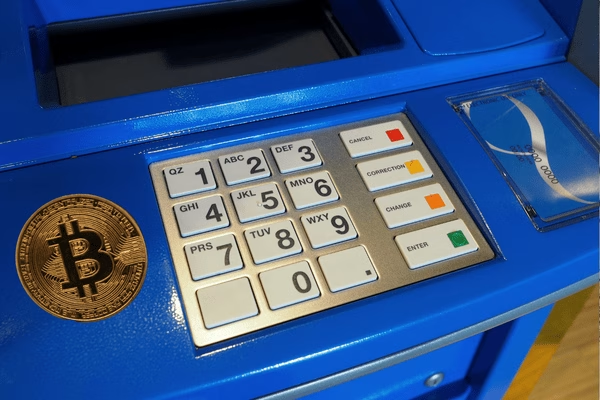
What You Need To Know Before Using A Bitcoin ATM
Bitcoin ATMs offer speed, convenience, and cash-based access to cryptocurrency, but that ease of use comes with important responsibilities. Every machine operating under U.S. law must follow strict compliance standards, including ID verification and transaction monitoring. These rules are not just legal formalities; they are there to protect users and ensure the long-term reliability of the service.
If a machine allows anonymous use or skips verification, it may be unlicensed and unsafe. Trustworthy providers take extra steps to secure your transactions, reduce fraud, and follow regulations that keep the system running smoothly. Understanding how compliance works helps you choose the right machine and avoid risky or noncompliant operators.
Why These Rules Exist
Bitcoin ATMs are not unregulated machines for quick crypto trades. They are classified as money service businesses under U.S. federal law and must follow specific compliance requirements. These rules are in place to protect users, support secure transactions, and build public trust in crypto accessibility.
Here is what licensed operators are legally required to do:
- Verify customer identity before processing qualifying transactions
- Monitor user activity for signs of suspicious or illegal behavior
- Report structured or unusually large transactions to regulatory authorities
These standards are enforced to help prevent money laundering and other forms of fraud. By following them, bitcoin ATM providers create a safer and more transparent environment for users.
For anyone buying or selling crypto at a machine, compliance should not be viewed as a barrier. It is a sign that the operator is committed to legal, secure, and trustworthy service. Avoid machines that skip ID checks or hide transaction details. Choosing a regulated provider not only protects your funds but also ensures your activity remains aligned with financial safety standards.
What Happens If You Use a Bitcoin ATM Without Verifying
Using a bitcoin ATM without completing ID verification might seem like a shortcut, but it puts your transaction at risk. Most reputable providers limit or block access to services if identification is not properly confirmed. Skipping this step may also lead to delays or denied transactions during the cash-out process.
Machines that do not request ID at all should raise concern. These are likely unlicensed and may not follow U.S. financial compliance standards. If you are serious about security, always choose providers that prioritize proper identity verification.
How Bitcoin ATM Compliance Protects Your Money
When it comes to crypto transactions, trust starts with security. That is why following KYC (Know Your Customer) and AML (Anti-Money Laundering) protocols is more than just a requirement for operators. These steps are designed to protect your data, block unauthorized activity, and build a reliable experience for users.
Here is how compliance makes a difference:
- Verifies your identity before allowing access to the system
- Tracks transaction behavior to identify unusual or risky activity
- Helps stop fraud before it affects your account
- Meets federal legal standards to ensure accountability
- Builds long-term trust across the crypto ecosystem
A bitcoin ATM that follows these guidelines offers more than convenience. It adds a layer of protection that benefits every user. Operators can detect suspicious activity early, report threats, and act fast to prevent damage. This results in safer, smoother transactions. When choosing where to exchange crypto, always look for machines that are transparent, secure, and properly regulated.
Where to Find a Trusted Bitcoin ATM Near You
To find a trusted bitcoin ATM, start with providers that are licensed and easy to verify. Look for machines listed on official locator apps or provider websites that clearly explain their services. Choosing a reliable source reduces the risk of scams or errors during a transaction.
Before using the machine, take a moment to read any on-screen instructions. Trusted ATMs will display ID requirements, daily limits, and any applicable fees. Reviewing this information helps you stay informed and in control of your crypto exchange.
Conclusion
Using a bitcoin ATM is fast and convenient, but success depends on knowing the rules that protect your transaction. Licensed operators must verify your identity, track activity, and report certain transactions to remain compliant with U.S. financial laws. These steps are not barriers; they are safeguards that help ensure your security.
Whether you’re a first-time user or a regular crypto trader, preparing the right ID and understanding verification steps will save time. It also helps you avoid errors that could delay your transaction or put your funds at risk. Always check the provider’s requirements before visiting a machine.
Avoid unlicensed machines that do not require any identification. These often operate outside compliance and pose greater risks. Choosing a trusted provider gives you peace of mind and keeps your crypto activity aligned with legal standards. Follow the right steps and enjoy a secure, smooth bitcoin ATM experience every time.
FAQs
Do all bitcoin ATMs require ID to use?
Yes. All licensed bitcoin ATMs eventually require ID based on transaction size and provider policy.
What forms of ID are accepted at bitcoin ATMs?
Most accept a driver’s license, passport, state ID card, or voter ID.
Can I use a bitcoin ATM without ID if I’m verified?
Yes. Once verified, some machines only require your phone number for future use.
How long does ID verification take at a bitcoin ATM?
Initial verification usually takes 5 to 15 minutes depending on the provider.
Is it safe to use a bitcoin ATM that does not ask for ID?
No. Machines that skip ID checks may be unlicensed and could expose you to fraud.

Alvin is a Content and SEO Specialist who creates clear and helpful content about money transfers and payment systems. He focuses on making complex topics easy to understand so readers can learn how these services work in everyday situations.


