Currency exchange services convert one country’s currency into another through regulated providers that operate within established financial frameworks. These services matter for international travel, cross-border payments, and managing foreign cash, where exchange rate changes directly affect the value received. For readers seeking practical context, reviewing detailed guidance about currency exchange services and international money preparation can help clarify how these services fit into everyday financial decisions.
Rapid currency movement can influence how much customers receive when converting funds, making timing and awareness important. This article outlines the key factors behind exchange rate fluctuations and provides practical guidance to help individuals plan transactions and approach foreign currency conversion with clear, realistic expectations.
Currency exchange rates move rapidly because they are influenced by global supply and demand, interest rate changes, economic reports, geopolitical events, and investor sentiment. These market conditions can affect how much foreign currency customers receive during international transactions or travel-related exchanges.

What Causes Rapid Currency Movement In Everyday Exchange Decisions
Currency movements often reflect real-world events that influence supply, demand, and confidence in a country’s economy. Many people searching for why exchange rates fluctuate or why currency exchange rates change today are often seeing the effects of these broader market conditions in real time. For individuals preparing to exchange foreign currency, these changes affect timing, value, and available options. Understanding the drivers behind rapid shifts helps customers avoid confusion and make practical decisions when converting funds for travel, expenses, or international needs.
These movements are not random. They follow patterns tied to economic updates, geopolitical developments, and financial market behavior. Customers who recognize these patterns can better plan when to convert dollars to pesos or other currencies while working within regulated service environments.
Economic News And Interest Rate Changes
Currency exchange rates often move quickly when central banks adjust interest rates or release economic data. Higher interest rates can attract investment, increasing demand for that currency and raising its value. Lower rates may reduce demand and weaken the currency relative to others.
For everyday customers, this means the amount received when exchanging funds may vary from one day to the next. Travelers preparing for international travel may benefit from monitoring basic economic updates, including official data such as the Federal Reserve H.10 exchange rate reports, before converting cash. Exchange rates reflect broader market conditions rather than fixed pricing structures, regardless of the provider used.
Global Events And Market Sentiment
Currency exchange values respond immediately to global events such as elections, conflicts, or trade policy changes. This type of foreign exchange volatility can cause noticeable shifts in international currency pricing within a short period of time. These events influence how investors and institutions view economic stability, which directly impacts currency demand across international markets.
Customers exchanging foreign currency should understand that sudden shifts are often tied to uncertainty rather than local service differences. For example, preparing funds for overseas expenses during periods of global instability may result in noticeable rate changes. Broader valuation trends can also be reviewed through the U.S. Treasury exchange rate analysis resources.
Supply And Demand In Foreign Currency Markets
Currency exchange movement is largely driven by supply and demand across global markets. When more people or institutions want a specific currency, its value tends to rise. When demand drops, the value may decrease accordingly.
In practical terms, this affects how much foreign currency a customer receives when converting funds. Travelers buying currency for a popular destination may encounter higher demand during peak seasons. Understanding this pattern helps customers plan ahead and avoid last-minute exchanges that may not reflect favorable rates.
Timing Your Exchange For Practical Needs
Currency exchange timing plays a key role in managing value when converting funds. While predicting exact movements is difficult, customers can still make informed decisions by observing trends and planning ahead.
For practical guidance on timing and preparation, customers often review resources such as retail currency exchange guidance to better understand how exchange services support everyday needs.
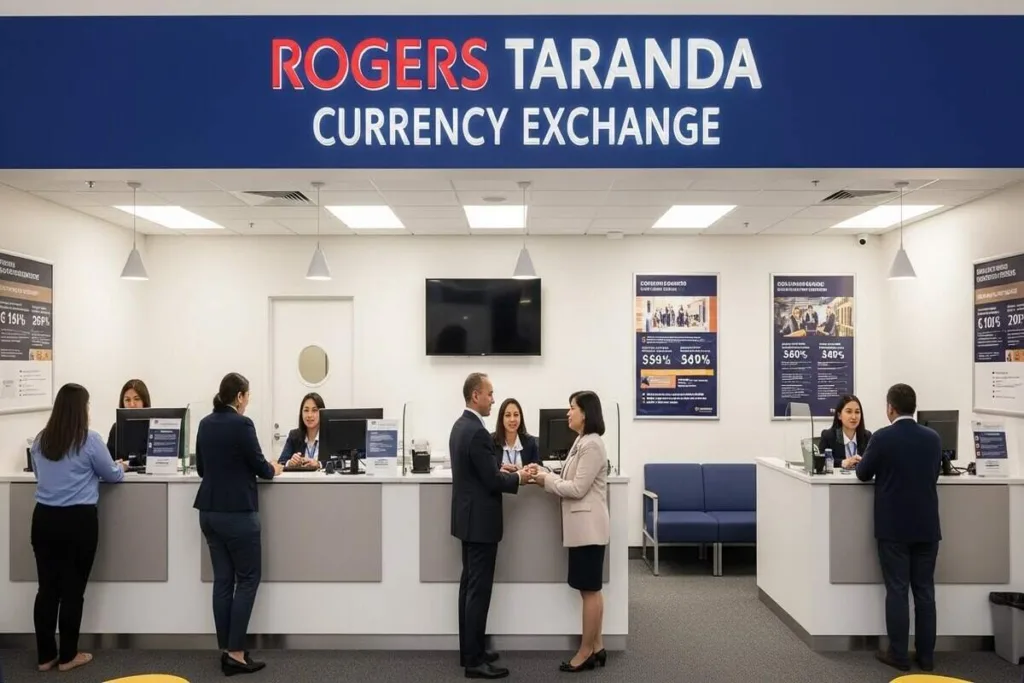
Many customers also prefer working with physical currency exchange locations because in-person services provide immediate assistance, transaction clarity, and direct rate confirmation at the time of service. Transparent pricing and regulated operating standards help customers better understand how exchange rates are applied during periods of rapid market fluctuation. Planning ahead, confirming rates at the time of service, and avoiding rushed decisions help reduce uncertainty when preparing for international travel or managing foreign expenses.
How Exchange Rate Fluctuations Affect Your Transaction
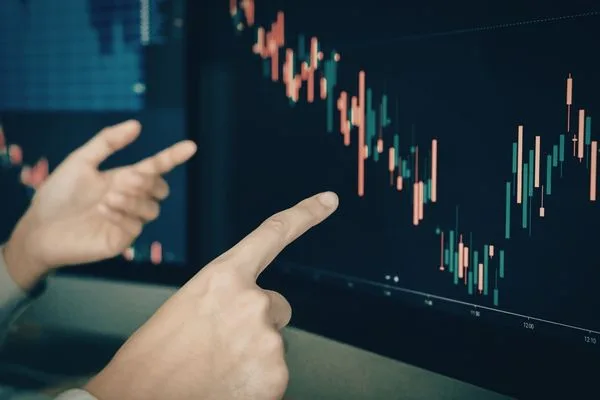
Exchange rate changes directly impact how much value customers receive during a transaction. Even small shifts can affect travel budgets, overseas payments, or the amount of foreign cash available. For example, a 2 percent currency fluctuation could change the value of a $1,000 exchange by approximately $20 depending on the direction of the market movement. Understanding these effects helps customers approach exchanges with clarity and avoid assumptions about fixed rates.
For individuals using currency exchange services, recognizing how fluctuations apply in real situations supports better planning. Licensed providers follow consistent procedures, but the final amount always reflects current market conditions at the time of the transaction.
Impact On Travel Budgets And Spending Power
Currency exchange fluctuations can significantly affect how far money goes during international travel. A stronger home currency allows travelers to receive more foreign cash, while a weaker one reduces purchasing power abroad.
Customers preparing for trips should review exchange rate trends before converting funds. Even slight differences can influence budgets for transportation, meals, and daily expenses. Financial education tools such as the FDIC Money Smart program can also help build awareness around managing money across different currencies.
Differences Between Buying And Selling Currency
Currency exchange transactions involve both buying and selling currency, and rates may differ between these actions. Providers apply structured pricing that reflects operational costs, market conditions, and service delivery.
- Buying foreign currency may result in a different rate than selling it back later
- Rates change throughout the day based on market activity
- The final amount depends on the exact time of the transaction
Understanding this difference helps customers avoid confusion when comparing previous exchanges to current offers. Reviewing details at the counter supports informed decisions and accurate expectations.
Choosing The Right Exchange Method
Currency exchange options vary depending on whether customers use in-person services, banks, or digital platforms. Each method offers different levels of convenience, access, and timing flexibility.
Customers who need physical cash for travel often prefer in-person services for immediate availability and assistance. Others may compare account-based options when planning ahead. Customers can also check available branch locations to access services directly when preparing for international travel. Regardless of method, exchange rates still reflect market conditions, so comparing options before proceeding supports better outcomes.
Compliance And Regulated Service Considerations
Currency exchange services operate within regulated financial frameworks that guide how transactions are handled. Currency exchange providers operating in the United States are typically registered as Money Services Businesses (MSBs) and must comply with the Bank Secrecy Act (BSA), including Anti-Money Laundering (AML) requirements such as customer identification and transaction monitoring.
These compliance standards are designed to support consumer protection, financial transparency, and regulatory oversight during currency exchange transactions. Depending on the transaction, providers may request identification, maintain transaction records, and follow reporting procedures required under federal regulations.
These requirements are defined by federal regulations and are separate from exchange rate movements. Regulatory oversight is administered by agencies such as FinCEN, which establish and monitor compliance obligations for financial institutions.
Conclusion
Rapid currency movement reflects global economic activity, market demand, and real-time financial developments rather than local service differences. These shifts directly affect how much value customers receive when exchanging foreign currency for travel or overseas expenses. Understanding key drivers such as interest rates, global events, and supply trends helps customers plan transactions more effectively.
Exchange rate fluctuations also influence travel budgets, buying and selling differences, and method selection. While timing cannot guarantee outcomes, preparation and awareness reduce uncertainty. By using licensed providers and reviewing transaction details carefully, customers can approach currency exchange with confidence and realistic expectations.
Using a licensed or registered currency exchange provider may help customers access regulated financial services with greater transparency, compliance oversight, and transaction support during periods of market volatility.
This content is reviewed for accuracy based on publicly available financial data and regulatory guidance.
Disclaimer: This content is provided for general informational purposes only and does not constitute legal, financial, or regulatory advice.
Frequently Asked Questions
Why do currency exchange rates change daily?
Currency exchange rates change daily due to global market activity, economic data releases, and shifting supply and demand.
When is the best time to exchange foreign currency?
The best time to exchange depends on market trends, but planning ahead helps reduce exposure to sudden fluctuations.
Do all currency exchange providers offer the same rates?
Different providers may offer slightly different rates based on pricing models, operational costs, and market timing.
How do exchange rate changes affect travel budgets?
Exchange rate changes can increase or decrease purchasing power, directly impacting how much travelers can spend abroad.
Is currency exchange regulated in the United States?
Currency exchange services operate under federal and state regulations that guide verification, recordkeeping, and transaction handling.
Why do exchange rates fluctuate so quickly?
Exchange rates fluctuate quickly because global financial markets react continuously to economic news, central bank decisions, inflation data, and geopolitical developments.
Can exchange rates change during the same day?
Yes. Currency exchange rates can change multiple times throughout the day based on international market activity and currency demand.

Alvin is a Content and SEO Specialist who creates clear and helpful content about money transfers and payment systems. He focuses on making complex topics easy to understand so readers can learn how these services work in everyday situations.