



Timing plays a major role in how much your international Money Transfer costs and how quickly it arrives. Exchange rates move with global market hours, banking systems operate on strict schedules, and weekend closures can increase margins or delay delivery. When you understand how weekdays, weekends, time zones, and payment methods affect each step of a transfer, you can choose the best moment to send funds and avoid unnecessary costs.
This guide explains how transfer timing works, why rates change throughout the week, and what senders should consider before confirming a cross-border payment. It gives practical insights that help you plan ahead, improve reliability, and get more value from every transaction.
Order Express Disclaimer: The information in this article is provided for general educational purposes only and does not represent Order Express’ official fees, exchange rates, policies, or delivery commitments. Actual rates, fees, taxes, and delivery times for any Order Express transaction will always be shown in the official pre-payment disclosure and receipt provided to the customer, as required by federal regulations.

Understanding Timing In Money Transfer Decisions
The timing of your transfer affects far more than the moment you hit send. Exchange rates shift with global market hours, fees can feel different on weekends, and banking schedules shape how quickly funds reach their destination. When you understand how these factors work together, you gain more control over the cost and reliability of every transaction.
Do Exchange Rates Shift On Weekends?
Global currency markets stay open from Monday through Friday. They close late Friday and reopen Sunday evening. When markets close, active rate movement pauses. Most providers use the last market rate from Friday and apply a wider margin to protect against possible swings when markets reopen. This margin can make weekend rates less favorable. Some services show held rates, while others estimate values based on expected market behavior. Weekend rates often move less, but they can also cost more because the spread increases. When you send funds at these times, you may see a difference in the delivery amount.
Do Weekday Rates Offer Better Accuracy?
Weekday rates respond to live market conditions. These rates often provide more accuracy because they update in real time. Customers may see smaller spreads and more predictable outcomes. Weekdays usually provide conditions that align with active market demand. In many cases, this leads to more competitive pricing. While weekday rates can shift with global news, they typically reflect real movement rather than estimates. This makes weekday transfers feel more transparent and easier to compare.
Do Weekend Transfers Cost More To Process?
Most service providers keep fees stable throughout the week. What often changes is the exchange rate margin. A wider weekend margin can increase the total cost of a transfer even if the listed fee remains the same. Some services hold the rate until the next business day. Others process at the displayed rate even if it includes adjustments. Check how your service handles weekend rate protection before you send funds. These small differences can affect your final transfer amount.
How Timing Affects Processing And Delivery Speed
The speed of a transfer depends on factors that work together behind the scenes. Processing systems, payment methods, and international banking schedules all influence how fast money reaches its destination. When you understand these time-based dependencies, you can plan more effectively and avoid delays.
Does Processing Vary Between Weekdays And Weekends?
Digital platforms let you submit transfers at any time. Actual processing depends on receiving-country systems, banking hours, and your payment method. Many bank networks follow business-day schedules. Weekday transfers often move faster because the banks on both sides operate during regular hours. Weekend transfers may not reach the next step until the following business day. This delay appears more often in markets that do not support instant posting. Delivery times vary by destination and payment flow.
How Do Payment Methods Influence Timing?
Bank transfers, card payments, and digital wallet funding each follow different clearing paths. Bank-based methods often take longer on weekends because they depend on closed networks. Card payments may move faster but can include added costs. Scheduled payments run on fixed timelines and do not speed up during weekends. When planning your transfer, choose the method with the best balance of speed and cost for your needs. This choice matters as much as the day you send money.
What Role Do Time Zones Play?
Cross-border transfers pass through systems in different countries. These systems operate across time zones. A weekday in your location may fall outside business hours in the destination country. Holidays can also slow movement by one or two days. When banks close in that region, transfers wait until the next available window. Customers often overlook this factor even though it strongly affects delivery timing. Before you transfer, consider the business hours in both regions.

How To Choose The Best Time To Send Funds
Timing influences both the cost and delivery speed of your transfer, and understanding weekly patterns helps you make stronger decisions. Rate movements, banking schedules, and processing windows shift throughout the week, so choosing the right moment can improve the value your recipient receives. By learning how weekdays, weekends, and external factors affect transfer outcomes, you can plan with confidence and avoid preventable delays.
What Days Usually Offer The Best Balance Of Price And Speed?
Many customers choose Tuesday through Thursday based on consistent rate movement and active banking systems. These days often show stable exchange activity and predictable clearing times. Monday may bring early-week volatility because markets adjust to weekend news. Friday may cause delays since banks close for the weekend after processing. Saturday and Sunday allow scheduling but often result in held or adjusted rates. Think about your timing needs before sending funds.
Important: These timing patterns reflect general market behavior and do not represent guaranteed pricing or delivery performance by Order Express. All Order Express transactions follow the exact amounts and dates disclosed on the official pre-payment disclosure and receipt.
Quick Reference Table: Timing Impact on Money Transfers
The best timing depends on your goals: speed, cost, or convenience. The table below shows how weekday and weekend conditions influence both exchange rates and delivery.
| Timing Option | Exchange Rate | Delivery Speed | Best For |
| Monday | Volatile (markets reopen) | Standard | Waiting for midweek stability |
| Tuesday-Thursday | Most stable | Fastest (banks open) | Waiting for midweek stability |
| Friday | May slow after market close | Slower processing | Early-day transfers only |
| Weekend (Sat-Sun) | Higher margins | Processed next business day | Non-urgent transfers |
Scheduling transfers during active market hours ensures more predictable results and often better rates. Plan ahead for weekends or holidays to avoid extra costs or delays.
What Other Factors Should You Consider?
Several elements outside your control can influence when a transfer arrives, so it helps to understand how they shape the overall timeline. Different regions operate on unique banking schedules, and those schedules affect how quickly funds move through international systems. By recognizing these variables early, you can time your transfer with more confidence.
Here are the key factors to watch:
- Security reviews can slow high-value transactions
- Bank holidays often create one or two business-day delays
- Payment networks follow regional cutoff schedules
- Rate alerts help you identify strong weekday opportunities
- Tracking tools show delivery progress in real time
Use these insights to create a smarter sending strategy. Check how each service communicates its timing expectations, since clear disclosure reduces confusion and builds trust. These added details make it easier to prepare your transfer, avoid disruptions, and stay in control of your financial planning. You can also use these factors to adjust future transfers and improve your results over time.
How Can You Save On Weekend Transfers?
Many customers schedule weekend transfers during the week to lock in weekday pricing. Comparing weekday and weekend displays can help you avoid higher spreads. Consider whether you need the transfer processed immediately. If it can wait until Monday, you may achieve a better rate. Use services with clear rate updates to track changes. A simple check before you send can save you money. Always assess both rate and speed information.
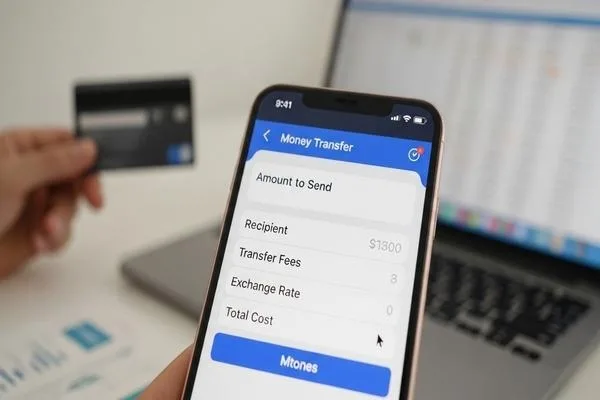
What Affects Your Total Cost When You Decide To Send Money
Timing affects both the cost and speed of your transfer, and small choices can change the final outcome more than most people realize. Exchange margins shift when markets close, banking systems follow strict operating hours, and personal schedules often push customers toward weekend activity. Understanding how these elements work together helps you plan with confidence and avoid paying more than you need to.
How Weekend Markups Affect Total Cost
When weekend markups take effect, the total cost of your transfer can shift faster than most people expect. Financial Providers often adjust their exchange margins once markets close, and this change directly affects the value your recipient receives. Even when the stated fee does not move, the wider spread can reduce the final delivered amount.
Here are the key factors that drive weekend markups:
- Providers widen exchange margins to offset market risk
- The delivered amount can drop even when fees stay unchanged
- Held or estimated rates may not reflect weekday pricing
- Customers often notice a difference only after comparing receipt values
Weekend transfers still offer convenience, but they also introduce tradeoffs that deserve attention. These cost changes can disrupt your expectations if you plan around weekday pricing. By understanding how weekend pricing works, you can choose the best moment to send funds, avoid unnecessary losses, and stay in control of your transfer strategy.
How Customers Can Plan Around Banking Schedules
Banking systems follow strict operation windows. Many domestic and international networks pause outside these windows. Knowing these patterns helps you plan for faster delivery. If your recipient depends on funds arriving quickly, choose weekdays. If timing is flexible, weekends work but may include adjustments. Monitor the receiving country’s schedule before sending funds. This simple habit supports better transfer timing.
How Job Demands Influence When People Send Money
Many people send funds during evenings or weekends because of work schedules. Weekend transfers offer convenience when physical locations close. Digital access lets you begin a transfer at any hour, but processing still depends on banking infrastructure. You can still prepare transfers during weekends by scheduling them for the next business day. This method combines convenience with better rate accuracy.

What Every Sender Should Know Before Finalizing A Transfer
Customers can improve their transfers when they understand how timing, communication, and broader financial activity influence results. Market trends shift throughout the week, banking systems follow strict schedules, and each payment method processes funds at a different pace. Clear expectations help reduce delays, especially when weekends or regional holidays affect posting times. A thoughtful approach to timing and coordination makes each transfer more predictable and efficient.
Watch For Sudden Market Shifts
Markets respond to economic news, political events, and global changes. These events may influence weekday movement. Midweek conditions often stabilize after early-week adjustments. Rate alerts can help track these changes. Customers who monitor trends can choose better timing for their transfers. Although you cannot predict the market, you can respond to patterns when they appear.
Use Clear Communication With Your Recipient
Share timing expectations with your recipient. Let them know when you expect the funds to arrive. This helps prevent confusion, especially when delays occur due to weekends or holidays. Clear communication ensures both sides understand the process.
Understand That Timing Affects Predictability
Senders often expect instant posting. In reality, timing controls much of the delivery timeline. Plan ahead when possible. If you expect a weekend delay, prepare your recipient so they know what to expect.
Integrating Additional Financial Service Insights
The financial landscape includes many services that help customers access funds, handle payments, and manage transactions. Each service follows its own structure, which affects how quickly money moves. When customers understand the differences, they make stronger financial decisions with more confidence.
Many communities depend on retail financial solutions for everyday needs. These include services that offer quick access and flexible options for handling money.
Here are some key examples:
- Money orders for secure payments
- Bill payment services for recurring obligations
- Check handling and check cashing tools
- Prepaid card loading features
- Cash advance options
- Mobile deposit tools
Although each of these services operates differently, timing still determines how fast a transaction clears. Customers using check cashing services can also deal with high-dollar check processing and same-day cash funding, which each follow precise timelines. When customers understand these systems, they reduce delays and avoid unexpected holds. This awareness also helps them plan better, choose the right service for their situation, and keep every transaction moving smoothly.
Policy Note: The information in this guide is general and does not summarize Order Express internal policies or procedures.
Order Express policies govern how OEI processes transactions, handles compliance, and provides customer disclosures.
Federal regulations, including the CFPB Remittance Transfer Rule, separately require that OEI provide exact, transaction-specific information (exchange rate, fees, taxes, and delivery amount) before payment is made.
Conclusion
Choosing the right moment to send money abroad helps you protect your budget, improve delivery speed, and support your recipient with greater confidence. Weekdays often provide stronger accuracy for exchange rates, while weekends can introduce higher margins and slower processing. Once you understand how market hours, banking schedules, time zones, and payment methods shape each step of a transfer, you can make decisions that match your timing needs and financial goals.
Plan ahead when possible, monitor rate movements, and schedule transfers during active business hours to avoid delays and reduce unexpected costs. A thoughtful timing strategy keeps every transfer predictable and efficient, helping you get more value from every transaction you send.
Disclaimer: This article provides general financial information only. It does not describe company policies, legal requirements, or industry-specific operating rules. Customers should rely on official disclosures for any service they use.
Take action now: Plan your next transfer with timing in mind and choose the moment that gives you the most value, if you need guidance or quick support, simply contact Order Express.
FAQs
What is the best day to send an international transfer for stable rates?
Tuesday through Thursday usually offer the most stable exchange rates and fastest processing because global banks operate during full business hours.
Why are weekend Money Transfer rates often higher?
Markets close on weekends. Providers widen exchange margins to cover risk, which can reduce the delivered amount even if fees stay the same.
How can I avoid delays when sending money abroad?
Plan ahead by checking time zones, sending during weekday business hours, and choosing a payment method with faster clearing, such as card funding.
Do different payment methods change transfer timing?
Yes. Bank transfers follow business-day schedules, card payments post faster, and scheduled payments never speed up on weekends.
What factors can slow down my cross-border transfer?
Common delays include bank holidays, weekend closures, security reviews, time zone differences, and cutoff times in the receiving country.
Order Express Legal Notice: For any Order Express money transfer, customers will receive all required federal disclosures, including the exact exchange rate, fees, taxes, and the amount to be delivered abroad, before completing payment, as required by the CFPB Remittance Transfer Rule. Customers should always rely on these official documents for accurate and binding information.

John is a Content & SEO Specialist who enjoys breaking down complex financial topics, like cross-border payments and money transfers, into content that’s easy to understand. He focuses on creating practical, search-driven content that helps people find answers and make informed decisions.


