


Many people wonder if the IRS monitors where they use check cashing services. The answer is simple: the IRS does not track your check cashing locations in real time. Instead, it verifies income through employer-reported forms like W-2s or 1099s. Whether you deposit, withdraw, or cash a paycheck, your income remains taxable and reportable under federal law.
Licensed financial providers follow separate compliance rules, such as the Bank Secrecy Act (BSA) and Anti-Money Laundering (AML) regulations, which focus on preventing fraud, not monitoring taxpayers. Understanding how IRS reporting differs from check cashing compliance helps you stay financially responsible, avoid penalties, and make confident, transparent financial choices.
Order Express Reporting Note: As a licensed Money Services Business (MSB), Order Express complies with all Bank Secrecy Act (BSA) and Anti-Money Laundering (AML) requirements, including filing Currency Transaction Reports (CTR) and Suspicious Activity Reports (SAR) through FinCEN’s BSA E-Filing system for qualifying transactions. These filings are designed to protect the financial system, not to monitor personal taxpayer activity.

Understanding How Check Cashing Fits Into Financial Compliance
Check cashing services bridge the gap between accessibility and accountability in the financial system. They give customers quick, reliable access to their funds while operating under strict federal and state regulations. By understanding how these services function, you can see how convenience, compliance, and transparency work together to protect both consumers and the financial industry.
Why Check Cashing Services Exist
Check cashing services provide fast, accessible ways for customers to convert checks into cash without a bank account. They play an important role in financial inclusion by serving communities with limited banking access.
Customers use these services for payroll checks, government checks, or personal checks. Providers verify identification, process transactions, and record details as required by federal and state laws.
How Check Cashing Services Are Regulated
In the United States, check cashing businesses are considered part of the Money Services Business (MSB) sector. They must follow the Bank Secrecy Act (BSA), Anti-Money Laundering (AML) regulations, and applicable state laws.
These rules require businesses to maintain records, verify customer identity, and file reports for specific transactions. For example, cash transactions over $10,000 must be reported through a Currency Transaction Report (CTR). Transactions suspected of criminal activity must be reviewed and may trigger a Suspicious Activity Report (SAR).
The IRS does not routinely monitor these transactions, but it does receive aggregated data when reports are legally required. The purpose is to detect large-scale financial crimes, not to track individual customers using legitimate check cashing services.
Order Express Check Cashing Threshold Policy: Under Order Express policy, identification and verification are required for all check cashing transactions of $3,000 or more in a 48-hour period. This ensures full compliance with BSA/AML and state-level requirements and protects customers from financial misuse.
How Check Cashing Interacts With IRS Rules
Check cashing providers must comply with federal regulations, but these obligations differ from IRS tax enforcement. The two systems operate independently.
- Order Express and other licensed MSBs follow federal AML and BSA recordkeeping rules.
- The IRS, on the other hand, enforces income reporting and tax compliance by individuals and businesses.
When a customer cashes a check, the service records the transaction according to financial compliance standards. However, only the employer or payer reports the income amount to the IRS, not the check cashing provider.
This separation ensures financial privacy while maintaining compliance with both banking and tax laws.

How To Stay Compliant And Protect Your Finances In Check Cashing
Staying financially responsible starts with understanding how compliance, transparency, and trust work together. Whether you use check cashing services or other financial tools, following best practices ensures your transactions remain legal, secure, and traceable. Strong recordkeeping, honest income reporting, and working with licensed providers help protect you from financial risk and regulatory issues while reinforcing the integrity of the entire financial system.
Best Practices For Customers
You can use check cashing services safely by following a few simple steps:
- Always keep a copy or receipt of your transaction.
- Report all income on your annual tax return, even if you received cash.
- Keep accurate personal records for at least five years.
- Avoid structuring transactions to stay below federal reporting thresholds, doing so intentionally is a federal crime.
- Choose licensed financial service providers that follow federal and state regulations.
These habits protect customers from unnecessary IRS scrutiny and help maintain full financial transparency.
Why Financial Transparency Matters
Transparency is more than compliance, it’s good financial hygiene. Proper recordkeeping supports accurate tax filing, helps prove income during audits, and builds trust with financial institutions.
Under federal law, legitimate financial services follow strict identity verification and reporting procedures to deter money laundering, fraud, and other financial crimes. By using a licensed provider and following the rules, you ensure your transactions remain legal and safeguard your data.
Order Express’ Compliance Commitment
Order Express operates under a comprehensive BSA/AML Corporate Compliance Program, approved by its Board of Directors and aligned with federal and state financial regulations. The program ensures every agent and employee adheres to laws governing money transfer, check cashing, and currency exchange.
This compliance structure is distinct from IRS oversight. Order Express follows federal financial recordkeeping rules under FinCEN and the Bank Secrecy Act, not IRS enforcement procedures.
Every transaction processed through Order Express adheres to applicable AML standards, identity verification rules, and record retention requirements. These efforts protect customers while maintaining compliance with U.S. financial laws.
FinCEN Registration Statement: Order Express is fully registered with the Financial Crimes Enforcement Network (FinCEN) as a Money Services Business (MSB) under registration number [insert registration ID]. The company renews its registration every two years.
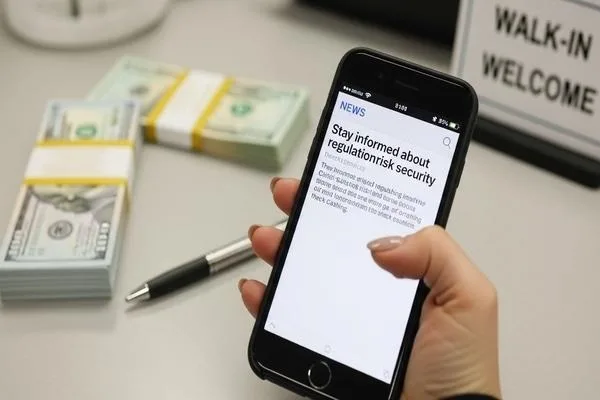
Staying Informed Keeps Your Finances Protected In Check Cashing
Financial awareness is your strongest defense against costly mistakes. Understanding how income reporting works, how compliance laws apply to financial services, and how to spot misinformation helps you stay in control. By learning the rules that guide transparency and responsible reporting, you can protect your income and maintain lasting financial confidence.
Understand Your Financial Obligations
If you earn income, whether through employment, self-employment, or contract work, you must report it to the IRS. Cashing checks does not exempt you from this requirement.
Financial transparency ensures that your records match what your payers report. It also reduces the risk of errors, penalties, and misunderstandings.
Learn About Compliance In Financial Services
Every reputable financial service, including check cashing, operates under strict compliance frameworks. These include:
- BSA (Bank Secrecy Act) – requires financial institutions to assist in detecting and preventing financial crimes.
- AML (Anti-Money Laundering) laws – focus on identifying and reporting suspicious activity.
- OFAC (Office of Foreign Assets Control) regulations – prevent transactions with sanctioned individuals or entities.
Understanding these frameworks helps you recognize the difference between financial reporting rules and tax obligations.
Check cashing providers comply with AML and BSA laws to ensure transaction integrity. The IRS enforces income reporting laws to ensure tax fairness. The two systems function separately but support the same goal: protecting the financial system.
Protect Your Information And Avoid Misinformation
Misunderstandings about IRS “monitoring” often spread through word of mouth or online misinformation. The IRS does not watch check cashing services directly, nor does it track customer locations. Instead, it uses official reports, employer filings, and tax returns to verify compliance.
Always rely on trusted financial institutions and verified government sources for accurate information about your obligations. If you receive unsolicited emails, texts, or calls claiming to represent the IRS, treat them with caution. The IRS communicates official matters by mail, not by phone or text.
Conclusion
Check cashing services give you flexibility and fast access to funds, but financial responsibility ensures long-term peace of mind. The IRS does not track where you cash your checks, it monitors whether your income matches reported records. Always report your earnings, keep transaction receipts, and use licensed financial providers that follow federal compliance standards. Transparent, well-documented transactions protect your finances and strengthen your credibility with financial institutions. For customers who value speed, safety, and compliance, choosing a trusted provider like Order Express means every transaction meets strict regulatory standards. Stay informed, stay compliant, and take control of your financial future.
Visit an authorized Order Express location today to experience secure, transparent, and responsible financial services.
Disclaimer: This article is for informational purposes only. It does not provide legal, tax, or accounting advice. Customers should consult a qualified professional regarding their specific tax obligations under IRS rules.
Order Express Compliance Statement: Order Express follows a distinct compliance framework under the Bank Secrecy Act (BSA), Anti-Money Laundering (AML) laws, and FinCEN oversight. These obligations are separate from IRS tax enforcement and ensure compliance with federal and state financial regulations.
FAQs
Does the IRS monitor where I cash my checks?
No. The IRS does not track check cashing locations. It relies on employer and payer reports, such as W-2s and 1099s, to verify income.
Are check cashing services regulated by the government?
Yes. They are classified as Money Services Businesses (MSBs) and must follow BSA and AML regulations to prevent fraud and money laundering.
What should I do to stay compliant when using check cashing services?
- Keep transaction receipts.
- Report all income on your tax return.
- Avoid structuring transactions to evade reporting rules.
What is the difference between IRS monitoring and AML compliance?
The IRS enforces income tax laws. AML and BSA compliance regulate financial transparency and anti-fraud measures for money service providers.
How can I tell if a check cashing service is legitimate?
- Verify state licensing.
- Look for FinCEN registration.
- Check for transparent fees and ID verification policies.
- Use trusted brands like Order Express.

John is a Content & SEO Specialist who enjoys breaking down complex financial topics, like cross-border payments and money transfers, into content that’s easy to understand. He focuses on creating practical, search-driven content that helps people find answers and make informed decisions.


