



Money transfer services help individuals and businesses move funds quickly between locations while supporting everyday financial needs across communities. These services operate through regulated money services businesses that provide remittances, payments, and related financial transactions for customers worldwide. As part of the broader retail financial ecosystem highlighted on Order Express, these services connect local communities to national and international payment networks.
Retail financial services locations such as licensed retail financial service providers often combine money transfers with check cashing, money orders, and currency exchange to support daily financial activity. Understanding how these services work helps customers choose reliable providers and complete transactions confidently when sending money locally or internationally.
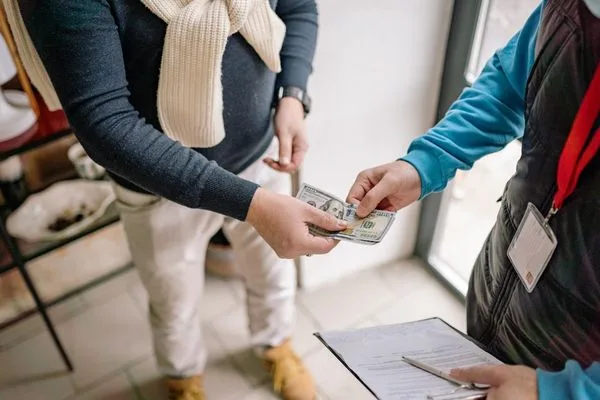
The Role Of Money Transfer Services In Modern Retail Finance
Money transfer services serve as essential financial infrastructure connecting individuals, families, and businesses across regions, countries, and economic systems.
Retail financial providers deliver accessible services through storefront branches, authorized agents, and digital platforms designed for secure customer transactions.
How Money Transfer Services Support Everyday Financial Needs
Customers rely on money transfer services to send funds to relatives, pay obligations abroad, and support cross-border financial responsibilities. These services help individuals manage financial commitments across different locations and countries.
They are particularly valuable for communities without full access to traditional banking, providing convenient ways to send funds through trusted retail locations. Many customers also combine money transfers with services such as check cashing services, bill payment, or money orders when managing everyday financial tasks.
The Role Of Money Services Businesses In Financial Access
Many money transfer providers operate as money services businesses that offer services such as money transmission, check cashing, money orders, and currency exchange. These businesses must register with FinCEN and comply with state licensing requirements in the states where they operate. These businesses help expand financial access for individuals who may not maintain traditional bank accounts.
By providing accessible retail financial services, they support communities that rely on in-person transactions. Money services businesses also operate under regulatory frameworks designed to monitor transactions and reduce risks related to fraud, money laundering, and other financial crimes. Financial institutions are required to establish and maintain anti-money laundering programs under the Anti-Money Laundering Act of 2020 and implement written compliance programs consistent with eCFR 31 CFR 1022.210.
Money transfer providers must also clearly disclose fees, exchange rates, and estimated delivery times so customers can make informed decisions before sending funds.
How Retail Financial Locations Facilitate Transactions
Retail financial locations play an important role in helping customers complete a money transfer safely and efficiently. These locations provide in-person assistance where staff verify information, process payments, and ensure funds are routed to the correct recipient location.
At retail branches, several steps typically occur during a transaction. These steps help ensure accuracy and compliance with financial service procedures.
- Verify the sender’s identification when required by transaction policies
- Collect payment for the transfer, often in cash or another accepted method
- Confirm recipient details such as name, destination, and pickup location
- Generate a receipt and transaction reference number for tracking
Branch-based services provide direct support when questions arise during a transaction. Many customers value the ability to speak with staff, confirm transaction details, and receive printed documentation for their records.

How Money Transfers Work: Common Methods Used Today
Money transfer services operate through several methods designed to move funds between individuals, businesses, and financial institutions efficiently.
Each method offers different speed, accessibility, and delivery options depending on the sender’s location, the destination, and the transfer provider.
Cash Pickup Transfers At Retail Locations
Cash pickup transfers allow recipients to collect funds at authorized locations after a sender completes the transaction.
This method remains popular in international remittances because recipients can access funds quickly without requiring bank accounts.
Customers typically present identification and a transaction reference number before receiving the transferred funds.
Bank-Based And Account-To-Account Transfers
Some money transfer services move funds directly between bank accounts using electronic payment networks or partner financial institutions.
These transfers can provide strong security and recordkeeping features for customers who maintain bank relationships.
However, delivery times may vary depending on the destination country, banking hours, and processing networks.
Digital And Mobile Money Transfer Tools
Digital platforms allow customers to initiate transfers using mobile applications or web-based services connected to payment systems.
These services often integrate identity verification, transaction tracking, and delivery notifications to support convenient cross-border payments.
Customers frequently combine digital tools with in-person retail support when sending funds for family or business purposes.

Benefits Of Using Retail Money Transfer Services
Money transfer services provide practical financial solutions for customers who need reliable ways to send and receive funds.
Retail financial providers combine convenience, accessibility, and security to help customers manage transactions confidently.
Speed And Accessibility For Domestic And International Transfers
Many transfer services allow funds to arrive within minutes depending on the delivery method and receiving location.
Retail branches and agent networks expand service availability by allowing customers to transact near home, work, or community centers.
These networks support global remittances by connecting senders with recipients across different countries and currencies.
Financial Flexibility For Unbanked And Underbanked Customers
Many customers depend on retail money services because they do not maintain traditional bank accounts.
Money transfers allow these individuals to move funds safely without requiring complex financial products or credit relationships.
Retail providers also support customers who prefer cash-based transactions for budgeting or accessibility reasons.
Integration With Other Retail Financial Services
Many customers use money transfer services alongside other retail financial products during the same visit. Combining services can simplify routine financial tasks and reduce the need to visit multiple providers.
Retail financial locations often provide several complementary services that customers may use together.
- Check cashing for customers receiving payroll or government checks
- Money orders for secure bill payments or official transactions
- Currency exchange for customers traveling or sending funds internationally
- Bill payment services for utilities, rent, or other recurring obligations
Customers who need foreign currency services for travel or international transfers may rely on licensed providers offering currency exchange services to support cross-border transactions.

Security, Compliance, And Responsible Transaction Practices
Financial service providers operate within regulatory frameworks designed to protect customers and maintain financial system integrity.
These frameworks require transaction monitoring, reporting requirements, and customer identification procedures designed to prevent financial crimes.
Why Compliance Matters In Money Transfer Services
Regulatory compliance helps ensure money transfer services operate transparently while protecting both customers and financial institutions. Financial institutions are required to monitor transactions and file reports when certain thresholds are met, including Currency Transaction Reports under eCFR 31 CFR 1010.311 and Suspicious Activity Reports under eCFR 31 CFR 1022.320.
Anti-money laundering laws require financial institutions to monitor transactions and report suspicious activity to regulatory authorities when necessary. These safeguards help detect potential financial crimes while maintaining trust and stability within the broader financial services ecosystem.
Customer Identification And Transaction Verification
Money transfer providers must verify customer identities during certain transactions to comply with regulatory requirements and reduce the risk of fraud. Identity verification helps ensure that financial services are used responsibly and that transactions can be properly documented.
Verification processes may include identification documents, transaction records, and monitoring systems designed to detect unusual activity patterns. These procedures support responsible financial services while helping customers complete transactions in a secure and compliant environment.
Responsible Customer Practices When Sending Money
Customers can reduce risks when sending a money transfer by choosing licensed providers, verifying recipient details, and keeping transaction receipts for reference. Taking simple precautions helps prevent common mistakes and protects funds during the transfer process.
It is also important to send money only to trusted individuals and confirm the receiving location before completing a transaction. Practicing careful verification helps ensure transfers arrive safely while reducing exposure to fraud, scams, or payment errors.
Key Takeaways
- Money transfer services allow individuals and businesses to move funds quickly across cities, countries, and global financial networks.
- Retail financial locations combine money transfers with check cashing, money orders, and currency exchange to support everyday customer transactions.
- Customers can choose between cash pickup transfers, bank-based transfers, and digital payment tools depending on speed and accessibility needs.
- Regulatory compliance helps protect customers while ensuring money transfer providers monitor transactions and prevent financial crime risks.
- Responsible customer practices such as verifying recipients and using licensed providers help ensure safe and successful money transfers.
FAQs
What is a money transfer service?
A money transfer service allows customers to send funds to another person or account using retail locations, banks, or digital platforms.
How long do money transfers usually take?
Delivery times vary by method, but many retail transfers arrive within minutes while bank transfers may take one to three business days.
Do I need a bank account to send money?
No. Many retail money transfer providers allow customers to send funds using cash without requiring a bank account.
Are money transfer services regulated?
Yes. Money services businesses must comply with financial regulations designed to monitor transactions and prevent financial crimes.
What information is usually required to send money?
Customers typically provide identification, recipient information, and payment details depending on the transfer amount and provider policies.
Is it safe to send money through a money transfer provider?
Licensed money transfer providers operate under financial regulations designed to monitor transactions and protect customers. Using trusted providers, verifying recipient details, and keeping transaction receipts can help ensure transfers are completed safely.
What documents are required to send money internationally?
Requirements vary by provider and transaction amount, but customers may need government-issued identification, recipient details, and payment information. Some transfers may require additional verification to comply with financial regulations.
Conclusion
Money transfer services remain a critical part of modern financial infrastructure, connecting people, businesses, and communities through secure payment networks. Retail financial service providers offer convenient access points where customers can send funds, receive payments, and manage everyday financial needs. By understanding transfer methods, service benefits, and responsible transaction practices, customers can confidently choose providers that match their financial priorities. Reliable money transfer providers combine accessibility, speed, and compliance to deliver services that support both domestic and international financial activity.
Customers seeking dependable financial services should consider licensed retail providers that offer transparent pricing, secure transactions, and strong customer support. Taking time to understand available options allows individuals to send money safely, manage payments effectively, and support families and businesses worldwide.
Visit a trusted Order Express retail location today to send money, cash checks, purchase money orders, or exchange currency safely and conveniently.
Disclaimer: Financial services availability, requirements, and transaction limits may vary depending on location, provider policies, and applicable regulations.

Alvin is a Content and SEO Specialist who creates clear and helpful content about money transfers and payment systems. He focuses on making complex topics easy to understand so readers can learn how these services work in everyday situations.


