


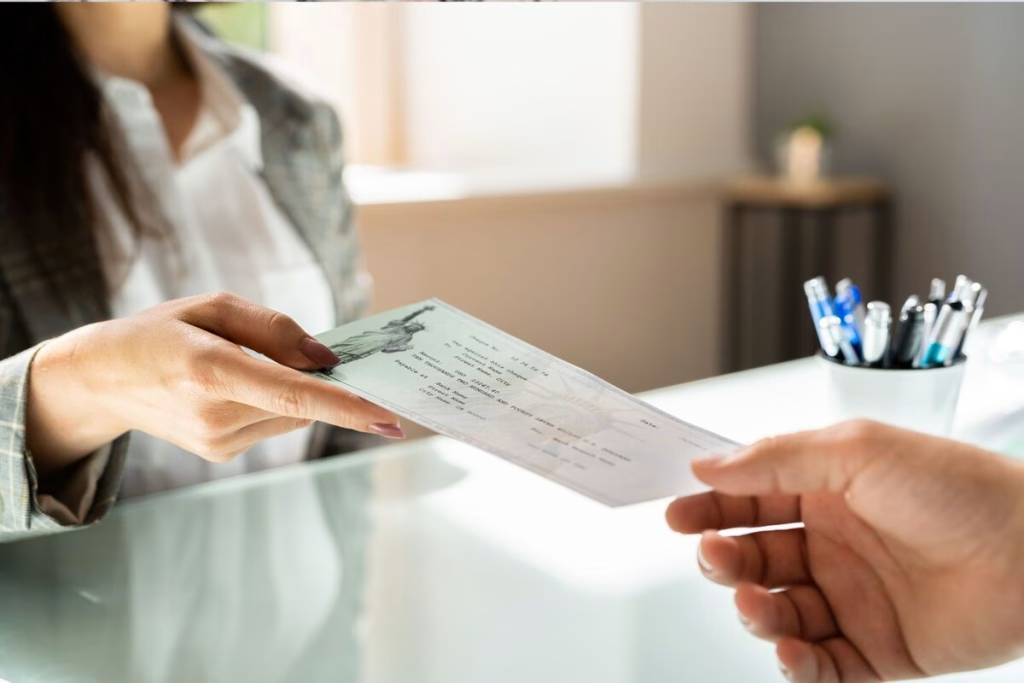
If you have a paper check to cash but don’t have a bank account, there are several ways you can still access your money. The key is knowing your options and understanding the costs and requirements involved. Here are some of the most common and practical ways:
- Retail and Grocery Stores – Many large retailers and supermarkets provide check-cashing services for payroll, government, or cashier’s checks. They usually charge a small fee and require a valid photo ID.
- Dedicated Check-Cashing Stores – These businesses specialize in cashing checks quickly, though they often have higher fees than banks or retail outlets.
- Prepaid Debit Cards – Some prepaid cards let you deposit checks through mobile apps or direct deposit. Once loaded, you can use the card for purchases or ATM withdrawals.
- Issuing Bank – If the check is drawn from a specific bank, you may be able to cash it directly there, even without being a customer. Be prepared for possible service fees.
- Trusted Friends or Family – By endorsing the check to someone you trust, they can cash it through their account and give you the money. Always confirm with the bank first that third-party endorsements are accepted.
Before choosing a method, always compare fees, ID requirements, and convenience. This helps you avoid unnecessary costs and ensures you get your money quickly and securely. This guide will walk you through the different methods and help you understand how to cash a check without needing a bank account.

Alternatives to Cashing a Check Without a Bank Account
Not everyone has access to a traditional bank account, but that doesn’t mean you’re out of options. From prepaid debit cards to retail stores and trusted individuals, several methods exist to help you access your money safely and conveniently. This section explores various ways to cash a check without stepping into a bank.
How to Cash a Check Without Having a Bank Account
If you have a bank account, cashing a check is usually straightforward. You simply visit a nearby bank branch, an ATM, or use your bank’s mobile app to deposit it electronically. But what if you don’t have a checking or savings account? Many people find themselves in this situation and wonder what their options are for cashing checks.
Another important aspect to consider is the cost involved. Different check-cashing options come with varying fees, and some can help you save more money by charging lower amounts. By choosing a more affordable method, you’ll avoid unnecessary fees, leaving more of your cash in your own pocket. Understanding your choices can help you easily manage checks, even without a traditional banking setup.
Cash Your Check at a Retail Store or Check-Cashing Location
If you don’t have a bank account, another convenient method to cash a check is to visit a retail store or check-cashing outlet. These businesses can be particularly helpful when the issuing bank isn’t nearby, making it easier to quickly access your money.
Many grocery stores, convenience stores, and larger retail locations offer check-cashing services. They commonly accept several types of checks, such as:
- Payroll checks
- Government-issued checks, including tax refunds
- Cashier’s checks
- Insurance settlement checks
Before heading to a retail check-cashing service, it’s beneficial to call ahead. Confirm which types of checks they accept, ask about required identification, and inquire about fees or maximum cashing limits. Just like banks, these businesses often charge a small fee, typically based on the amount of the check, and may have restrictions on the highest value they can cash. Knowing this information upfront helps you save time and ensures a hassle-free experience.
Use a Prepaid Debit Card to Access Your Check Funds
A practical alternative to cashing a check without a bank account is to use a prepaid debit card. Prepaid debit cards allow you to conveniently load and access funds without having to open a traditional bank account.
Different prepaid debit cards provide various ways to deposit your check. Some cards offer direct deposit options for payroll and government checks, while others let you load money through ATMs or by using a mobile app to upload a picture of the check.
When selecting a prepaid debit card, it’s important to understand the associated fees. Fees may include monthly maintenance charges, reloading fees, or costs tied to ATM withdrawals. Additionally, some cards require a minimum balance or regular deposits each month to avoid extra charges. Carefully reviewing these fees ahead of time will help you find an affordable option, making sure you keep more of your money and enjoy a hassle-free way to access your check funds.
Visit a Check-Cashing Store to Cash Your Check
Another possibility for cashing a check without a bank account is to visit a dedicated check-cashing store. These specialized stores offer immediate access to your funds, which can be especially helpful if other options aren’t readily available.
However, it’s important to note that check-cashing stores typically charge higher fees compared to banks or retail stores. The convenience they offer often comes at an extra cost, so always ask about fees upfront. Being aware of the potential expenses beforehand helps you choose the most cost-effective solution, ensuring you keep more of your hard-earned money.
Why Choose Order Express for Check-Cashing Services?
If you’re looking for a trusted, convenient, and fast way to cash your check, Order Express is a smart choice. With check-cashing services available at all our retail locations, as well as through our affiliate, JP Financial Services, we make it easy to access your money, even without a bank account.
Whether you’re cashing a payroll check, government-issued check, or unemployment check, our service experts are here to help. We aim to keep the process smooth, transparent, and affordable, with staff trained to assist you in finding the best available option for your needs.
Endorse Your Check to a Trusted Friend or Family Member
Another simple way to cash a check without having a bank account is to endorse it over to a trusted friend or family member. This method lets someone you trust cash the check on your behalf.
Before proceeding, your friend or relative should first confirm with their bank that this kind of endorsement is accepted. Some banks may require special instructions, like clearly writing “Pay to the order of [Friend’s Name]” on the back of the check. It’s also a good idea to find out in advance if the bank needs both of you present or whether specific identification documents are necessary.
If the bank confirms it will accept the endorsed check, simply sign your name on the back in the area marked “endorse here.” Underneath your signature, write the friend’s or family member’s name to indicate you are transferring the funds to them. Your friend or family member can then cash or deposit the check at their bank, and afterward, they will hand you the cash.
Always remember to choose someone reliable for this option, as they will directly handle your money. Understanding these guidelines ensures a smooth and secure transaction for everyone involved.
Bank-Based Solutions and Long-Term Considerations
While some prefer to avoid banks, there are still useful ways to work within the banking system, even without being an account holder. This section covers options like visiting the issuing bank and the potential benefits of opening your own account for more control over your finances.
Cashing a Check at the Bank That Issued It
Although banks aren’t obligated to cash checks for individuals who aren’t customers, many will still cash what’s known as an “on-us” check. An “on-us” check simply means it’s issued by one of their customers to someone who doesn’t have an account with that bank.
The easiest approach is to visit the issuing bank directly. When you arrive, the bank will verify that sufficient funds are available in the check writer’s account and will typically ask you for identification. A government-issued ID, like a driver’s license or state ID card, is usually all that’s required.
Keep in mind, however, that the bank may charge a fee to cash your check if you’re not a customer. Fees vary widely; some banks have flat fees, while others may charge a percentage of the check’s value. There are also banks that offer free cashing up to a certain check amount, beyond which a fee might apply.
It’s a smart idea to call ahead to confirm the bank’s policies before heading out. Banks can have specific rules, for example, they might not accept checks older than six months, or they could limit the total amount they’ll cash for noncustomers. Being aware of these rules beforehand can save you time and effort when cashing your check.
Opening A Bank Account
While opening a bank account can have benefits, many people prefer not to use traditional banking services due to various reasons, such as fees, minimum balance requirements, or simply personal preference. Fortunately, visiting a check-cashing store provides an excellent alternative that is quick, reliable, and straightforward.
Check-cashing stores offer immediate cash access without the complications or wait times often associated with banks. They also typically have flexible hours, accept many types of checks, and clearly communicate any fees upfront, giving you full transparency.
Choosing a trusted check-cashing store like Order Express ensures a convenient and stress-free experience, allowing you to easily manage your money when and how you prefer.
Compare Long-Term Costs Before Committing to a Financial Option
Before deciding whether to use a bank or stick with check-cashing services, it’s essential to evaluate the long-term financial impact. Banks often charge fees for account maintenance, overdrafts, and low balances, which can add up quickly. On the other hand, check-cashing services charge per transaction, which can be more cost-effective for those who cash checks occasionally.
Consider your income frequency, the types of checks you receive, and how often you’ll need access to cash. If you’re paid weekly or biweekly, a prepaid card or check-cashing store might suit your routine better than a bank. However, if you receive regular payments and want tools to manage savings or bills, opening a bank account could be a smarter long-term move.
Conclusion
Cashing a check without a bank account doesn’t have to be complicated or stressful. With several reliable and accessible options like retail stores, prepaid debit cards, and check-cashing services, you can quickly access your funds. Understanding the fees and requirements of each method helps you make the smartest financial decision for your situation.
Whether you prefer convenience, cost-efficiency, or flexibility, there’s a solution that fits your needs. Services like Order Express offer easy, secure ways to cash checks without long waits or hidden charges. Choose the method that works best for your lifestyle and stay in control of your money, no bank account necessary.
Note:
Order Express, Inc. is a registered Money Services Business (MSB) and complies with all federal and state laws, including the Bank Secrecy Act (BSA), FinCEN guidelines, and the USA PATRIOT Act. Customer identification is required for check cashing transactions at or above $3,000, and in some states, including Arizona and Oklahoma, at $1,000.
Transactions that exceed $10,000 in cash or that appear suspicious may be reported to regulatory authorities in compliance with anti-money laundering (AML) regulations. For more information, please consult with an Order Express representative or visit orderexpress.com.
FAQs
Can I cash a check without a bank account?
Yes, you can use retail stores, check-cashing services, or prepaid cards to cash checks without a bank account.
What types of checks can I cash without an account?
You can typically cash payroll, government-issued, cashier’s, or insurance checks at non-bank locations.
Do check-cashing stores charge high fees?
Fees vary by location, but check-cashing stores usually charge a flat rate or percentage of the check amount.
Is it safe to endorse a check to someone else?
Yes, but only do this with someone you trust. Always confirm their bank accepts third-party endorsements.
Should I open a bank account instead?
If you want long-term savings tools and lower transaction costs, opening a bank account might be a better choice.

Alvin is a Content and SEO Specialist who creates clear and helpful content about money transfers and payment systems. He focuses on making complex topics easy to understand so readers can learn how these services work in everyday situations.


