


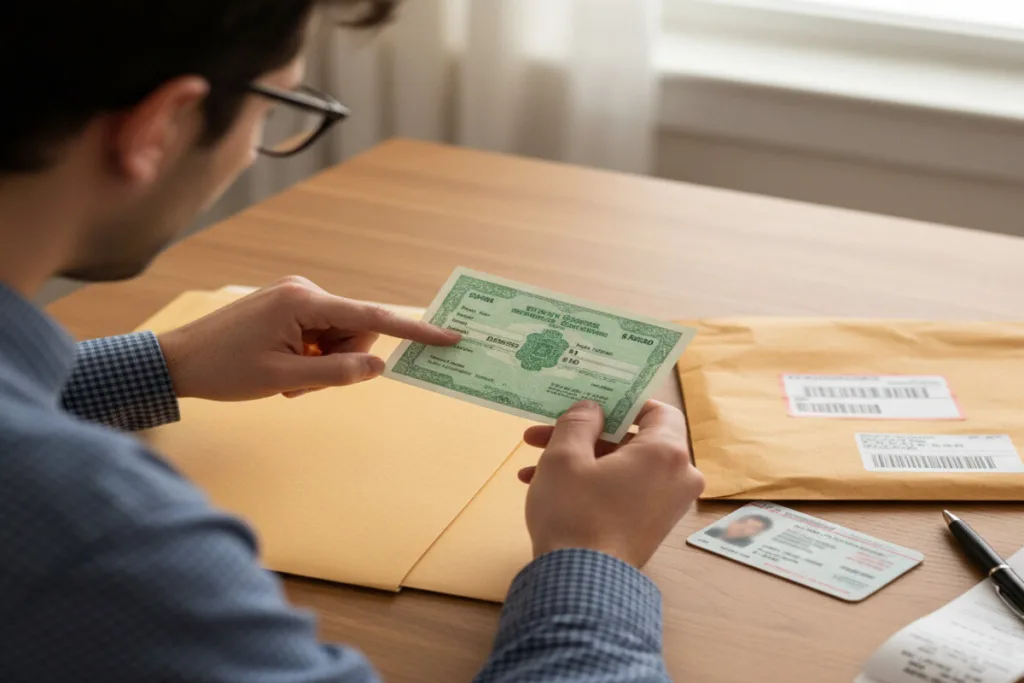
Storing and managing a Money Order properly is important for keeping your funds safe and organized. A Money Order is a secure payment method that functions similarly to cash, so handling it carefully is essential. Losing one can cause unnecessary stress or even financial setbacks. Having a simple plan for safe storage at home helps you stay protected and prepared.
As a trusted money order service provider, Order Express is dedicated to helping customers make confident, informed choices when managing their transactions. We focus on ensuring every customer understands how to protect their payments, avoid unnecessary risks, and maintain full control over their financial documents. With clear guidance and dependable service, we aim to support you in keeping your Money Orders secure from the moment you purchase them.
When you understand how to properly manage your Money Order, you reduce risks such as loss, theft, or damage. Taking small but consistent steps makes a big difference in how secure your finances remain. Every detail, from where you store it to how you record it, adds protection.
This guide will show you how to handle your Money Order responsibly from purchase to storage. You will learn about securing, recording, and using it safely at home. Following these simple steps will give you confidence and control over your money management.

Storing and Protecting Your Money Order at Home
Keeping a Money Order safe at home requires careful attention to security, organization, and recordkeeping. From choosing the right storage spot to protecting against loss or damage, every detail counts. By understanding best practices for storage and documentation, you can ensure your funds remain secure, traceable, and ready when needed.
Disclaimer: This article is for informational purposes only. It does not replace official disclosures or legal requirements. Money Order services are subject to federal reporting and monitoring obligations, including Know Your Customer (KYC), Currency Transaction Reports (CTR), and Suspicious Activity Reports (SAR). Please review Order Express’ Terms & Conditions, state rules, and federal regulations for complete details.
Why Care About Storage and Management
A Money Order is a prepaid financial document that provides payment security for both sender and receiver. Unlike personal checks, it is guaranteed once purchased, but it should still be treated carefully. If a Money Order is lost or stolen, recovering the funds can take time and may require fees. That is why proper storage and recordkeeping at home matter so much.
Managing your Money Order well also helps prevent fraud and misuse. If someone gains access to an unfilled Money Order, they might try to alter or forge it. Filling in details immediately and keeping receipts separate protects you from these risks. Always handle your Money Order as if it were cash because it holds the same value once issued.
Organizing where and how you keep financial documents reduces the chances of confusion later. A little preparation ensures your Money Order stays safe, traceable, and available when you need it most.
When the Money Order Is Still Unused
An unused Money Order should be treated as carefully as cash. It carries the same value and can be easily misplaced or misused if not handled properly. Storing it correctly and keeping track of its details prevents unnecessary loss and ensures smooth future use. Taking a few extra precautions early will help you stay organized and secure.
Here are important steps to remember when keeping an unused Money Order:
- Fill in all required fields such as payee name, purchaser details, and date right after purchase.
- Keep the Money Order in a secure place like a safe, drawer, or lockbox.
- Record the Money Order’s serial number for easy tracking and verification.
Do not wait too long to cash or deliver it. Some issuers may charge fees if held for extended periods. By acting promptly, filling in details immediately, and storing it correctly, you ensure your Money Order remains valid and ready for use whenever needed.
Safe Places at Home to Store a Money Order
Choosing where to store your Money Order at home plays a big role in keeping it secure. The goal is to find a space that balances safety, accessibility, and protection from environmental damage. A Money Order should never be left in open areas where it could get lost or exposed to harm.
Here are some reliable places to consider for storage:
- Fireproof and waterproof safes for long-term protection.
- Lockable cabinets or home lockboxes that restrict access.
- Organized folders or envelopes kept in dry, hidden spaces.
Limiting who has access to these storage spots adds another layer of protection. Make sure only trusted individuals know where your financial documents are kept. Regularly check the condition of your stored Money Orders to ensure they remain intact. Using smart storage solutions helps keep your documents safe from both theft and accidental damage.
Protecting the Money Order from Threats
Even though a Money Order is safer than carrying cash, it is not completely risk-free. Physical and digital threats can cause loss, damage, or misuse if it is not properly protected. By staying alert and taking preventive actions, you can safeguard your payment from potential harm.
To keep your Money Order safe, remember these key points:
- Store it in a fireproof and waterproof container or cabinet.
- Avoid exposure to heat, moisture, and sunlight to prevent damage.
- Verify its authenticity before cashing or accepting it to avoid fraud.
Also, be mindful of time limits or potential service fees if you delay using it. Keeping your Money Order in a secure location and checking it regularly ensures that it remains valid. Protecting it from both physical and fraudulent threats guarantees your funds stay safe and accessible whenever needed.
How to Store Your Records and Receipts
Proper recordkeeping is essential when managing a Money Order. Always keep the purchase receipt separate from the actual Money Order. The receipt usually includes the serial number, date, and amount, which you will need if you ever have to replace or trace it. Storing the receipt safely ensures proof of purchase and ownership.
For added protection, consider keeping a digital copy of your receipt and Money Order details. You can photograph or scan them, then save the files in a secure, password-protected folder. Creating both physical and digital records gives you more options if something happens to one version. Backing up the information ensures you can access it whenever necessary.
It is also a good idea to keep a simple financial log. Record the purchase date, amount, payee name, and tracking number of every Money Order. Maintaining organized records prevents confusion and helps you stay on top of your personal transactions.

Handling, Delivering, and Recovering a Money Order Safely
Once you’re ready to use or send a Money Order, proper handling ensures smooth and secure transactions. Knowing how to deliver, track, and respond to potential problems like loss or mistakes protects your funds. Following these smart steps helps prevent errors, delays, and fraud while keeping your payment process efficient.
Note: All Order Express transactions are may be monitored to meet federal and state compliance standards under the Bank Secrecy Act (BSA) and FinCEN guidelines.
Using or Delivering the Money Order
When it is time to use or deliver your Money Order, take a few final precautions. Double-check that the payee name, amount, and date are written correctly and clearly. Any mistake can delay processing or cause rejection. Ensure that all required fields are filled out neatly before handing it over.
If you need to mail your Money Order, choose a safe delivery method that includes tracking. This helps confirm when it reaches the recipient and prevents disputes. When delivering in person, keep it in an envelope or folder to avoid creases or damage. Treating the Money Order carefully until it is received ensures smooth completion of your transaction.
Once the Money Order is cashed or deposited, mark the transaction as complete in your records. Keep the receipt and any delivery confirmation until the process is finalized. Responsible handling gives you peace of mind and keeps your payments organized.
What to Do If You Lose a Money Order
Losing a Money Order can be stressful, but acting quickly can help protect your funds. The first step is to locate your purchase receipt or stub, as it contains the Money Order’s serial number and other identifying details. This information is crucial for tracking or requesting a replacement. Contact the issuer immediately to report the loss and request a stop payment. You may need to fill out a replacement form and provide proof of purchase to verify ownership.
Keep in mind that replacement or refund requests may take several weeks to process. During that time, avoid issuing another Money Order for the same amount until confirmation is received. Always store your receipts in a separate, secure location so they are easy to find if needed. Acting quickly, keeping records organized, and following up with the issuer ensures you can recover your funds safely and minimize the impact of a lost Money Order.
Common Mistakes to Avoid When Handling a Money Order
Handling a Money Order may seem simple, but small errors can cause big problems. These mistakes often lead to delays, loss, or rejection of payment. Being aware of common missteps will help you handle every Money Order with confidence and accuracy.
Avoid these common errors when managing your Money Order:
- Leaving important fields blank, such as the payee name or signature.
- Misplacing the receipt or failing to store it separately.
- Storing the Money Order in unsafe or easily accessible locations.
Taking a few extra minutes to double-check all details before mailing or delivering can save you time and frustration later. Treat every Money Order as an important document that requires attention and care. By avoiding these mistakes, you maintain control over your finances and ensure every payment goes through smoothly and securely.
Note: Avoid using a money order for very large purchases if a cashier’s check or bank transfer is required by the payee.
Safe Places at Home to Store a Money Order
Choosing where to store your Money Order at home plays a big role in keeping it secure. The goal is to find a space that balances safety, accessibility, and protection from environmental damage. A Money Order should never be left in open areas where it could get lost or exposed to harm.
Here are some reliable places to consider for storage:
- Fireproof and waterproof safes for long-term protection.
- Lockable cabinets or home lockboxes that restrict access.
- Organized folders or envelopes kept in dry, hidden spaces.
Limiting who has access to these storage spots adds another layer of protection. Make sure only trusted individuals know where your financial documents are kept. Regularly check the condition of your stored Money Orders to ensure they remain intact. Using smart storage solutions helps keep your documents safe from both theft and accidental damage.
Security Tips for Mailing a Money Order
Mailing a Money Order requires careful handling to ensure it reaches its destination safely. Always use a sturdy envelope and seal it securely before mailing. Include a return address but avoid writing sensitive financial details on the outside. Use a mailing service that provides tracking so you can confirm delivery and prevent disputes later.
Before mailing, double-check that the payee name, amount, and signature are correct and complete. Incomplete or incorrect details may cause delays or rejection. Never send a blank or unsigned Money Order through the mail, as it could be altered or stolen. Keep your purchase receipt until the payment has been successfully delivered and confirmed.
If possible, inform the recipient that a Money Order is on the way and ask them to confirm once received. Avoid mailing large amounts close to weekends or holidays when delays are common. Taking these precautions helps ensure your Money Order arrives safely and is processed without problems.
Note: All Order Express money order transactions are monitored under federal Anti-Money Laundering (AML) regulations and state compliance requirements to help ensure safe, transparent financial practices.
Conclusion
Properly storing and managing a Money Order at home protects your funds and keeps your financial process organized. Every step you take, from filling out details immediately to choosing a secure storage location, strengthens your financial safety. Handling your Money Order with care prevents loss, theft, and costly delays. Keeping clear records, using safe delivery methods, and monitoring your documents regularly helps you stay in control of every transaction.
These simple habits ensure your Money Order remains valid, traceable, and ready when needed. When you want a reliable place to purchase a Money Order, Order Express offers secure and convenient options that support safe payment management. Take action today, apply the steps in this guide, and stay proactive with your financial protection.
Visit Order Express to get your next Money Order with confidence.
Note: Order Express is registered with the Financial Crimes Enforcement Network (FinCEN) as a licensed Money Services Business (MSB) under the Bank Secrecy Act (BSA). We strictly follow Know Your Customer (KYC), Anti-Money Laundering (AML), and record retention requirements. These practices ensure that all financial transactions are secure, transparent, and compliant with federal and state regulations.
FAQs
How should I store a Money Order at home?
Store it in a secure, dry, and hidden place such as a safe or locked cabinet.
Why should I fill out the Money Order immediately?
Filling it out immediately prevents fraud, misuse, and unauthorized alterations.
What should I do with the receipt from my Money Order?
Keep it separate, secured, and documented because it contains essential tracking information.
Can I make digital backups of my Money Order records?
Yes, scanning or photographing your records creates an extra layer of protection.
What steps help ensure safe mailing of a Money Order?
Use tracking, seal the envelope securely, and avoid mailing during high-delay periods.

Alvin is a Content and SEO Specialist who creates clear and helpful content about money transfers and payment systems. He focuses on making complex topics easy to understand so readers can learn how these services work in everyday situations.


