


Sending money to a child studying abroad can be simple and secure when parents understand the right transfer methods. From bank wires and prepaid cards to digital remittance platforms, each option offers unique benefits for speed, safety, and affordability. Choosing a reliable money transfer service helps parents manage tuition, living expenses, and emergencies efficiently while staying compliant with financial regulations.
This guide explains how to compare exchange rates, verify service providers, and prevent fraud. It also outlines how licensed institutions and registered money services businesses safeguard every transaction. Learn the safest and most cost-effective ways to send funds internationally and support your child’s education abroad with confidence.

Understanding Reliable Methods Of Sending Money Internationally
Parents today have several secure ways to send money across borders. Each option comes with its own timeline, cost structure, and documentation requirements. Selecting the right one depends on urgency, convenience, and familiarity with financial systems.
Bank Wire Transfers
A wire transfer through a financial institution remains one of the most traditional and reliable methods. It allows parents to send funds from their account to the student’s overseas account using international routing codes such as SWIFT.
Wire transfers usually complete within one business day but may take longer depending on the destination, intermediary banks, and time zones. Parents should confirm applicable exchange rates and transfer fees in advance.
This method ensures direct bank-to-bank transactions and provides documented proof of payment. It aligns with general banking protocols and federal recordkeeping standards that help prevent misuse of funds.
Foreign Currency Demand Drafts
A foreign currency demand draft, often referred to as an FCDD, allows parents to draw a draft payable in a foreign currency. The draft can then be mailed or delivered to the student’s bank overseas. Once deposited, the equivalent value is credited in the local currency.
FCDDs offer high security since they are drawn in the name of the beneficiary, making them nontransferable. Though this method may take a few days, it provides an added layer of protection for larger payments such as tuition or housing deposits. Parents should confirm charges and delivery timelines before initiating the draft.
Prepaid Travel Or Forex Cards
Prepaid travel or forex cards provide a convenient and secure way to give students spending flexibility abroad. These cards can be loaded with funds in the foreign currency of choice and reloaded electronically as needed.
Students can use them for everyday expenses, online purchases, or cash withdrawals at ATMs that accept international cards. Parents can track expenses, reload funds instantly, and avoid carrying large amounts of cash. Many financial service providers now integrate additional verification layers to meet anti-fraud and consumer protection standards.
Currency Exchange And Remittance Services
Currency-exchange service providers and digital remittance platforms allow users to compare exchange rates, processing times, and transfer limits across multiple institutions. These platforms often provide competitive rates and may reduce transaction fees through automated systems.
To initiate a transaction, customers typically complete standard identification verification and submit necessary Know Your Customer (KYC) documents. Once verified, the service transfers funds electronically to the recipient’s account. This process ensures compliance with federal requirements and promotes safe, transparent transactions.
Note: As required by state regulations (for example, $900 in Arizona or $1,000 in Oklahoma), customers must present valid identification such as a U.S. driver’s license, passport, or government-issued ID, in accordance with Order Express’ Know Your Customer (KYC) Policy.
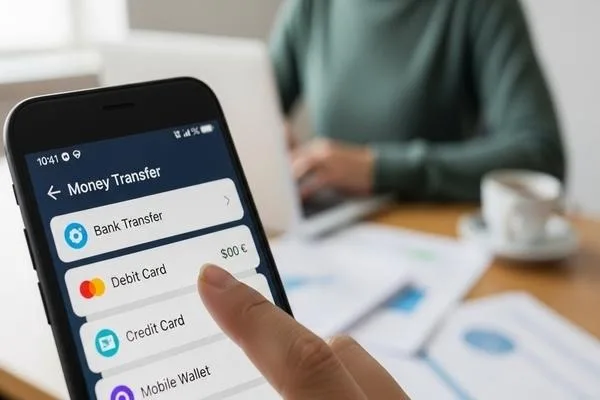
Choosing The Right Money Transfer Method For Your Needs
The most suitable transfer method depends on the urgency, purpose, and comfort level with different financial tools. Parents should evaluate each option for speed, security, and cost before sending money.
Speed And Accessibility
Digital platforms and online remittance services offer near-instant transfers once verification is complete. Bank wires and demand drafts may take longer due to manual processing or clearing times. Parents should consider whether funds are needed immediately or for planned expenses such as tuition or housing.
Security And Compliance
Security should always come first when sending money abroad. Reputable financial institutions and licensed money services businesses follow strict federal and state-level regulations, including Bank Secrecy Act (BSA) and anti-money laundering (AML) requirements.
Under federal rules, customers must provide valid identification and purpose of transfer documentation for transactions that meet reporting thresholds.
Order Express maintains all customer identification and transaction records for at least five (5) years, in compliance with federal recordkeeping requirements. Transactions exceeding $10,000 in cash within one business day are reported through FinCEN’s BSA E-Filing System, as required under the Bank Secrecy Act.
Order Express policy, on the other hand, focuses on customer transparency and maintaining recordkeeping aligned with these federal standards. These internal policies help safeguard both senders and recipients without blending operational rules with government regulations.
Note: Federal rules (such as BSA/AML, OFAC, and USA PATRIOT Act) govern financial transparency and anti-money laundering controls.
Order Express internal policies complement these regulations with additional safeguards, such as employee training, agent oversight, and recordkeeping, to ensure all transactions meet the company’s internal compliance standards.
All Order Express transactions are monitored for compliance with anti-money laundering (AML) standards. Transactions that appear structured to avoid reporting thresholds or that raise suspicion of illicit activity may trigger the filing of a Suspicious Activity Report (SAR) or a Currency Transaction Report (CTR) with FinCEN, as required by law.
Costs And Exchange Rates
Exchange rates and service charges can vary significantly between providers. Some banks apply daily exchange rates, while remittance platforms may lock rates for a limited time. Reviewing total costs before confirming a transaction prevents unexpected deductions from the received amount.
Parents should also factor in possible intermediary bank fees for wire transfers or currency conversion charges. Comparing available options helps identify the most cost-effective solution for recurring transfers.

Maintaining Financial Safety And Responsibility While Supporting Students
Helping children manage finances abroad is not just about sending money, it also involves building awareness about safe financial behavior and responsible use of funds.
Encourage Responsible Usage
Parents can help their children understand budgeting, expense tracking, and financial accountability. Regularly reviewing account statements promotes awareness and minimizes the risk of overspending. Students should also learn how to identify fraudulent messages or unauthorized requests for financial details.
Avoid Unverified Third-Party Transfers
Parents should use only licensed financial institutions or registered money services businesses. Transfers conducted through unregistered sources can risk loss of funds and potential legal implications. Licensed providers ensure that transactions follow proper recordkeeping and consumer protection standards.
Additionally, both money transfer and check cashing services under registered financial providers include safeguards such as customer identification verification, suspicious activity monitoring, and fraud alerts. These measures align with established best practices without breaching customer privacy.
Stay Informed On Policy Updates
Federal financial guidelines evolve to prevent fraud and enhance cross-border security. Families should remain updated about these changes and choose providers who communicate them clearly. Order Express policies emphasize compliance education for agents and customers, reinforcing awareness while keeping internal company procedures distinct from national regulations.
Families who rely on regular transfers, such as monthly living expenses or tuition, should periodically review exchange rate trends, remittance limits, and documentation requirements. This helps avoid delays and ensures every transaction meets regulatory standards.
Conclusion
Sending money to your child abroad should feel simple, safe, and reliable. By selecting the right money transfer method, whether through a trusted bank, prepaid card, or licensed remittance provider, parents can ensure their child’s financial stability wherever they study. Prioritize verified financial channels, confirm exchange rates, and follow security guidelines before each transaction.
These small steps safeguard your funds and build long-term financial confidence for your family. Staying informed about regulations and choosing licensed providers also helps prevent fraud and delays. Take control of your international transfers today, choose secure, compliant methods that keep your child supported and your peace of mind intact. Start with a trusted provider that values transparency, speed, and compliance in every transfer.
Order Express encourages families to stay informed and choose verified financial channels for international transfers. To learn more about secure remittance and check cashing solutions that support your loved ones abroad, contact your nearest authorized location or visit orderexpress.com today!
For questions, complaints, or to report any transaction issue, please contact Order Express Customer Service at 1-888-666-1602 or email customer.service@orderexpress.com.
You may also write to:
- Order Express, Inc. – Compliance Department
- 685 W. Ohio St., Chicago, IL 60654
Disclaimer: This article provides general information for educational purposes only. It does not constitute financial or legal advice and should not replace guidance from qualified professionals. All transfer methods are subject to applicable federal regulations, banking policies, and the internal compliance standards of licensed money services businesses.
FAQs
What’s the safest way to send money to a child studying abroad?
Use licensed banks or registered money transfer services. Confirm exchange rates, verify sender identity, and avoid unregistered platforms to ensure safety.
How can parents reduce money transfer fees?
Compare multiple providers, transfer larger amounts less frequently, and choose services that offer locked exchange rates to avoid hidden charges.
What documents are needed for international money transfers?
Typically:
- Valid ID (passport or government ID)
- Proof of address
- Transfer purpose declaration (e.g., tuition or living costs)
How can parents prevent fraud when sending funds abroad?
Use official service websites, verify the recipient’s details, avoid clicking email links, and confirm the provider’s registration with financial authorities.
What should students do if their transfer is delayed?
Contact the service provider’s customer support, check transaction status, confirm verification documents, and verify bank processing timelines.

John is a Content & SEO Specialist who enjoys breaking down complex financial topics, like cross-border payments and money transfers, into content that’s easy to understand. He focuses on creating practical, search-driven content that helps people find answers and make informed decisions.


