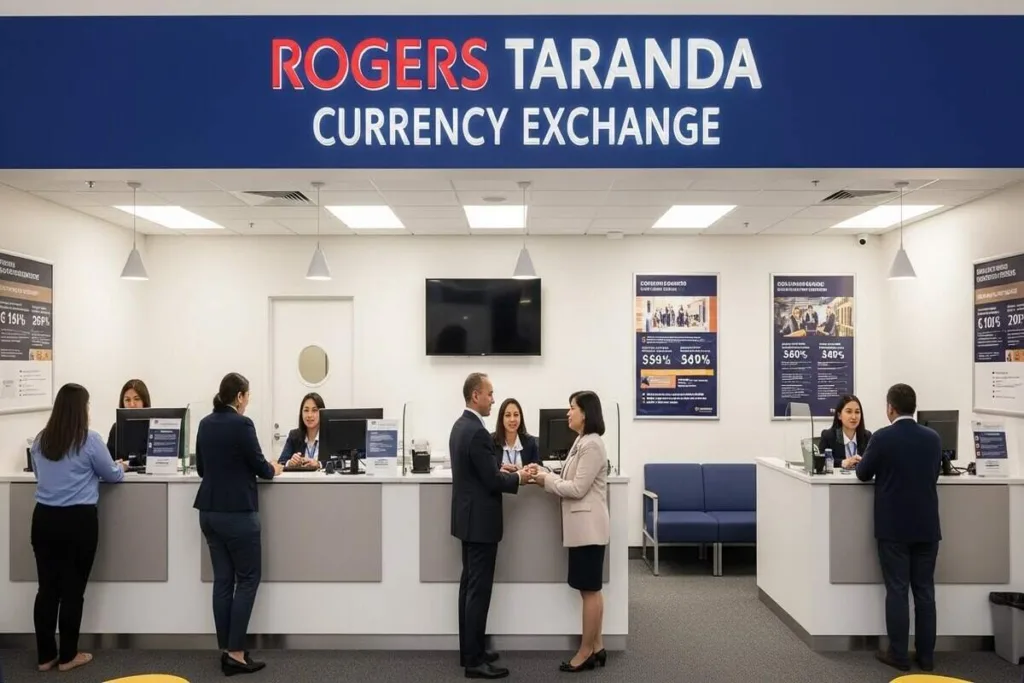
Currency exchange value can differ significantly between providers, even when market rates appear identical. Each provider applies its own pricing structure, operating costs, and profit margins to every transaction. Order Express, like other providers, sets rates based on internal costs and competitive strategy.
Some providers add margins directly into the quoted exchange rate. Others advertise attractive rates but include service or processing fees separately. Timing policies can also influence the final amount you receive. Rates may change between booking and settlement if no lock is offered.
Transaction size can further impact the effective rate you receive. Larger transfers sometimes qualify for preferential pricing or reduced margins. Smaller exchanges may carry higher relative costs due to fixed operational expenses. Understanding these factors helps you compare providers more accurately and avoid unexpected reductions.
For broader context on how retail currency exchange systems operate, review our pillar guide explaining how everyday currency exchange services work. That foundation helps you interpret provider differences without overpaying due to unclear pricing.
Note: Exchange rates shown in examples are illustrative and may vary based on market conditions and transaction details.

Why do exchange rates vary between providers?
Currency exchange value differs by provider because each business sets its own retail rate structure. Providers adjust their rates based on sourcing costs, operational expenses and profit margins they choose to apply.
Providers set different buy and sell spreads
Currency exchange providers earn revenue through the spread between buy and sell prices. The spread is the difference between the rate they offer and the mid market benchmark. As shown in the Federal Reserve H.10 foreign exchange rate data, benchmark rates fluctuate daily, but retail providers apply their own margin on top of those reference figures. A wider spread increases the provider’s margin on each transaction. Customers rarely see the full interbank rate in retail settings.
Banks often apply moderate spreads to cover compliance, staffing, and operational expenses. Online specialists may operate with tighter spreads due to lower overhead costs. Airport kiosks usually apply wider spreads to offset location expenses and convenience demand. These pricing differences explain noticeable rate variations between providers.
Even small spread differences can significantly affect large transactions. Comparing quoted rates against the mid market rate helps reveal hidden margins. Always evaluate the total amount received, not just the advertised rate. Understanding spreads helps you choose the most cost efficient provider.
Note: The exchange rate you see reflects the provider’s markup over the interbank rate, not the raw market price.
Access to wholesale markets influences pricing
Access to wholesale liquidity directly affects how competitively a provider prices currency transactions. Institutions trading large volumes often secure tighter interbank rates from market makers. Consistent volume strengthens their negotiating power and reduces transaction costs. These savings can translate into more competitive retail exchange rates.
Smaller storefronts usually obtain currency through intermediaries rather than direct market access. Each intermediary may add a margin before passing rates onward. This layered structure increases costs before the currency reaches retail customers. As a result, smaller providers may offer slightly wider spreads.
When comparing providers, consider how directly they access wholesale markets. Retail rates closer to the market midpoint usually indicate stronger liquidity access. Providers with limited access often price further from the benchmark rate. Broader policy context on currency valuation is outlined in U.S. Treasury exchange rate policy guidance, which explains how exchange rate frameworks operate at the national level.
Operating costs shape the final customer rate
Operating costs influence how aggressively a provider can price foreign currency exchanges. Businesses with high rent, security systems, and staffing expenses must recover those costs. These overhead factors are often built into the exchange rate spread. Higher operating expenses typically result in less competitive retail pricing.
Physical branches in prime locations face substantial lease and insurance obligations. Security controls and cash handling procedures also increase operational spending. These added costs directly affect the margin applied to customer transactions. Providers adjust spreads to maintain profitability while covering fixed expenses.
Digital first services often operate with lower infrastructure and staffing costs. However, online platforms still invest in compliance systems and fraud monitoring tools. Federal anti money laundering obligations are outlined by FinCEN regulatory guidance for financial institutions, which explains compliance expectations for businesses handling currency transactions. Payment processing and technology maintenance also create ongoing expenses. The rate difference you see often reflects internal cost structures, not market volatility alone.
Check timing and rate lock policies
Currency exchange values fluctuate throughout the business day based on market activity. Rates can change within minutes during periods of economic announcements or volatility. Because of this movement, quoted prices may not remain constant. Understanding timing policies helps you avoid unexpected differences in settlement amounts.
Some providers allow customers to lock a rate at booking. Others apply the prevailing rate when funds are received or processed. If the market shifts between quote and payment, your final amount may change. Always confirm how long the quoted rate remains valid.
Ask whether cancellation fees apply if you decide not to proceed. Clarify what happens if payment is delayed beyond the lock period. Written confirmation reduces disputes about timing or applied rates. Clear timing rules protect you from surprises if the market moves suddenly. If you have questions about rate validity or booking procedures, you can review the company background on our Order Express About us page for additional context.
Verify transparency and disclosure practices
Transparent providers clearly disclose spreads, fees and settlement timelines before you authorize payment. Clear disclosure reduces misunderstandings and builds confidence in the transaction process. Consumer protection expectations for financial services are explained by the Consumer Financial Protection Bureau consumer resources, which outline how disclosures support informed decision making.
Look for providers who:
- Display rates alongside fee explanations
- Provide written transaction summaries before confirmation
- Explain refund or cancellation conditions clearly
How do fees and transaction types change the final amount?
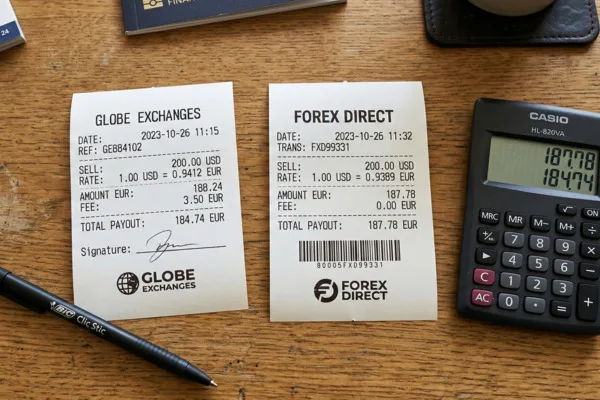
The exchange rate alone does not determine the total value you receive in a transaction. Hidden fees, service charges and transaction methods can significantly change the final converted amount. Financial literacy programs such as the FDIC Money Smart consumer education program explain how comparing total costs improves consumer outcomes.
Some providers charge explicit service fees
Some currency exchange services advertise competitive rates but add separate service fees. These fees may appear as flat transaction charges or percentage based processing costs.
You may encounter charges such as:
- Flat service fees added at checkout
- Percentage based conversion fees applied to the transaction
- Minimum transaction surcharges for small amounts
Note: Always calculate the net amount received after fees, not just the advertised rate.
A slightly weaker rate with no extra fees can sometimes produce a better final payout.
Payment method can affect exchange value
The method you use to fund a currency exchange can influence the final value received. Cash transactions, debit payments, and credit card conversions often follow different pricing structures. Each funding option carries distinct processing costs and risk considerations. Providers may adjust rates to reflect these underlying expenses.
Credit card issuers frequently apply foreign transaction fees separate from the quoted exchange rate. Some cards also use their own conversion rate at settlement. Bank transfers can involve intermediary banks that deduct handling charges. These additional costs reduce the total foreign currency ultimately delivered.
Before proceeding, confirm whether the advertised rate applies to your chosen payment method. Ask if minimum transfer amounts affect eligibility for that rate. Some providers reserve better pricing for larger transactions or specific funding options. Clarifying these details ensures the final amount matches your expectations. Customers exploring cross border transfers can also compare options available through our Money Transfer services for structured transaction support.
Transaction size influences rate tiers
Many currency exchange providers use tiered pricing based on transaction size. Larger exchanges may qualify for improved rates because they reduce per transaction processing costs. This pricing logic is similar to other financial services, such as check cashing, where transaction volume and operational handling can influence overall fee structures.
For example, a provider may:
Offer a base rate for small consumer exchanges
Improve the rate slightly for mid range transfers
Provide preferential pricing for high volume conversions
If you plan to exchange a meaningful amount, ask whether better pricing tiers apply. Even a small rate improvement can significantly affect the final converted total.
Compare the effective rate after all charges
The effective exchange rate reflects the true value you receive after accounting for fees. To calculate it, divide the total foreign currency received by the amount you paid.
Follow these steps before committing:
- Request the exact rate applied to your transaction amount
- Ask whether any service or processing fees apply
- Confirm the final amount you will receive in writing
Note: The effective rate is the only meaningful comparison metric between providers.
A provider advertising the highest rate may not deliver the most favorable outcome once charges apply.
Key takeaways
- Currency exchange value differs by provider because each business sets independent spreads and cost structures.
- Wholesale access, overhead and pricing strategy all influence the retail rate offered to customers.
- Fees, payment methods and transaction size can change the effective exchange outcome significantly.
- Always compare the final amount received rather than relying on advertised headline rates.
- Consumers should review all fees and exchange rate disclosures before completing any transaction.
Conclusion
Currency exchange value is shaped by spreads, fees, timing rules, and internal cost structures. Even small pricing differences can significantly affect the final amount you receive. Acting early, comparing effective rates, and confirming total charges protects your purchasing power. Always evaluate the net amount delivered rather than relying on headline rates. Ask direct questions about fees, payment methods, and rate lock policies before committing.
Transparent providers should clearly explain margins and settlement timelines in writing. If you plan a larger transfer, request tiered pricing details to secure better value. Like other currency service providers, Order Express applies pricing structures based on market access, operational costs, and regulatory requirements. Taking time to compare providers ensures you retain more of your converted funds. Make informed decisions, calculate the effective rate, and confirm every detail before proceeding.
When ready to exchange, review your options carefully and visit our Contact Order Express page for clear, transparent transaction information.
Disclaimer: This article provides general educational information about retail currency exchange practices. It does not constitute financial advice or a recommendation of any specific provider.
Order Express complies with all applicable federal and state laws, including BSA/AML regulations. For transactions involving large sums or any concerns about compliance, please consult directly with our customer support or compliance team.
FAQs
Why do exchange rates differ between providers?
Providers apply different spreads, sourcing costs, and operational expenses. These internal pricing decisions create noticeable rate variations between businesses.
Is the mid market rate the rate I will receive?
Retail customers rarely receive the pure mid market rate. Providers adjust it by adding a margin to cover costs and profit.
How can I calculate the effective exchange rate?
Divide the total foreign currency received by the amount you paid. This calculation reflects the true rate after all fees.
Do larger transactions qualify for better exchange rates?
Many providers use tiered pricing structures based on transaction size. Larger transfers may receive slightly improved rates.
Can payment methods change the final exchange amount?
Yes, different funding methods carry different processing costs. Credit cards and bank transfers may include additional fees that reduce the final amount received.

Alvin is a Content and SEO Specialist who creates clear and helpful content about money transfers and payment systems. He focuses on making complex topics easy to understand so readers can learn how these services work in everyday situations.