


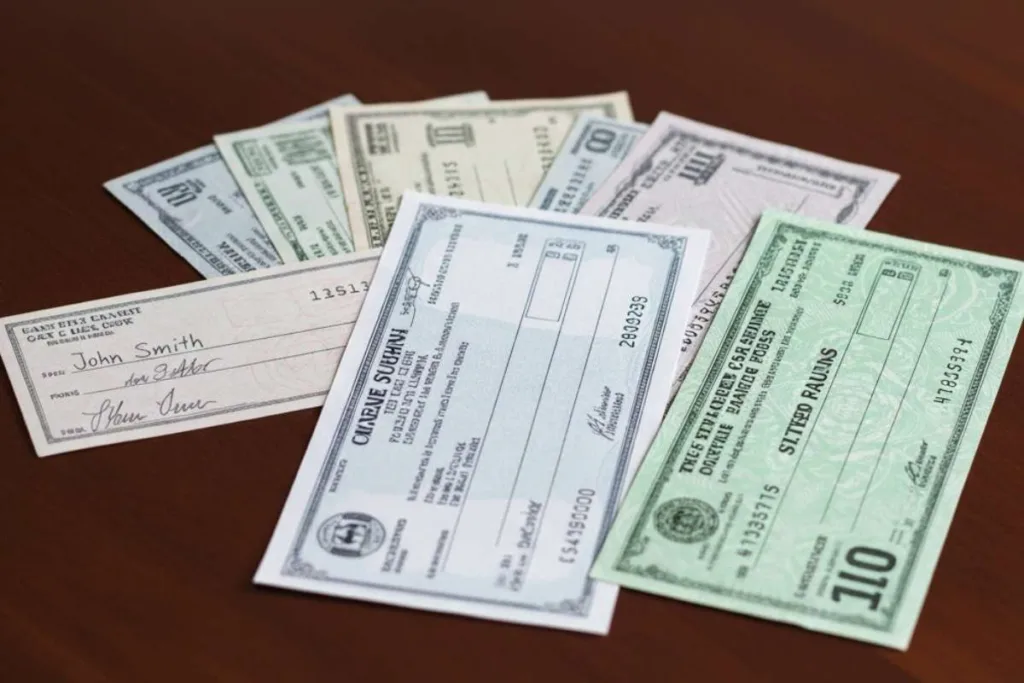
Checks are still important for secure payments in business, personal, and legal transactions. While digital tools are growing in popularity, checks remain reliable for situations that require documentation and guaranteed funds. Each type of check has a specific role, supported by safeguards and rules that protect both parties. Understanding these differences helps you use check cashing services correctly, avoid fraud, and ensure payments are processed without delays.
This guide explains the main types of checks and their practical uses. It also highlights compliance considerations that affect how they are issued and accepted. By learning when and how to use each option, you can handle transactions more confidently and maintain security in every payment.
What You Need to Know About Check Cashing and Common Check Types
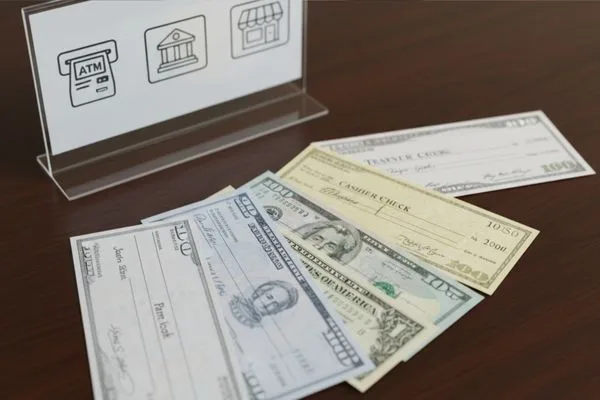
Checks remain an important payment method in many situations where security and documentation matter. While digital transfers are common, checks continue to provide value for everyday payments, payroll, and larger financial transactions. To use them effectively, it is important to understand how check cashing works and why different types of checks have different rules. Knowing these distinctions helps avoid processing delays and ensures each payment is handled properly.
This section explains the most common types of checks and when to use each one. From personal checks used for regular expenses to certified and cashier’s checks reserved for high-value transactions, every type has a role. By learning their functions and compliance requirements, you can manage payments with more confidence. The following examples show how different checks operate and why they remain a secure option today.
Personal Checks for Everyday Payments
Personal checks remain one of the most common payment methods for everyday use. They are directly linked to a checking account and are often used for regular expenses such as rent, service payments, or personal purchases. While they provide convenience and flexibility, personal checks are not guaranteed. If the account does not have sufficient funds, the payment can be rejected, leading to delays and added complications. Always confirm your balance before writing a check to ensure the payment clears without issues.
For recipients, handling personal checks carefully is just as important. Depositing a check into a bank account is usually safer than cashing it immediately, as deposits create a clear record of the transaction. This record helps with proof of payment and adds protection against disputes or fraud.
Federal rule: Under 31 CFR 1010.312 and 1022.320, identification and recordkeeping are required when transactions reach $3,000 or more within 48 hours. Suspicious activity involving $2,000 or more must be reviewed and may require filing a Suspicious Activity Report (SAR).
Order Express policy: Identification is required for check cashing of $3,000 or more. Lower thresholds may apply in some states, including Arizona ($900), Oklahoma ($1,000), and Louisiana ($1,000 for Treasury checks).
Payroll Checks Issued by Employers
Payroll checks are issued from a business account and serve as both payment and proof of wages. They include details such as earnings, deductions, and hours worked. While many companies use direct deposit, payroll checks remain valuable for businesses handling special payments or for employees without bank accounts. In these cases, check cashing may be the most practical way for workers to access their funds quickly and securely.
Here are the key points to remember:
- Payroll checks act as legal proof of payment.
- Employers should provide detailed pay stubs to meet compliance requirements.
- Employees should keep payroll checks or copies for tax and recordkeeping.
- Special payments are often handled through payroll checks rather than deposits.
Managing payroll checks responsibly protects both employers and employees. Retaining proper documentation helps with audits and tax reporting while ensuring transparency. For workers, organizing payroll records provides clarity on income history and supports financial planning, especially during tax season or when applying for credit.
Compliance note: Payroll checks cashed at or above $3,000 in one or more transactions within 48 hours require customer identification and record retention. Agents must also monitor aggregated transactions to ensure compliance with Bank Secrecy Act reporting rules.
Certified Checks for Verified Payments
A certified check offers a higher level of security because the bank verifies that funds are available before issuing it. The amount is set aside until the payment clears, which ensures the check cannot bounce. This safeguard makes certified checks more reliable than personal checks, particularly when the transaction involves large sums or sensitive agreements.
These checks are often used for significant purchases such as property deposits, vehicle sales, or legal settlements. Recipients can accept them with confidence knowing the money is guaranteed. Both payer and payee should keep copies of certified checks as part of their financial records. Having documentation available provides proof of payment, supports audits, and helps resolve disputes if questions arise later.
Cashier’s Checks and Check Cashing Considerations
A cashier’s check is one of the most secure payment methods because it is drawn against the bank’s own funds rather than the payer’s account. This guarantee ensures the check will not be declined, giving both parties confidence in the transaction. Banks issue these checks only after receiving the full payment upfront, which eliminates the risk of insufficient funds.
They are most often used in high-value or sensitive transactions, such as real estate closings, large business deals, or settlement payments. Recipients benefit from knowing the money is available immediately once the check is deposited. For added protection, always request and retain a receipt when obtaining a cashier’s check. Keeping proper records supports traceability and provides proof of payment if questions arise later.
Federal rule: Under 31 CFR 1010.410, records of check cashing transactions must be maintained for at least five years. Identification and recordkeeping are required for transactions of $3,000 or more. Suspicious transactions involving $2,000 or more must be reviewed and may require filing a Suspicious Activity Report (SAR).
Order Express policy: Identification and documentation are required for check cashing transactions of $3,000 or more.
How to Handle Different Check Cashing Situations Safely
Check cashing plays an important role in ensuring payments are received securely and without complications. Whether you are dealing with money orders, traveler’s checks, government-issued refunds, or insurance claim payments, each type comes with specific rules and safeguards. Understanding these differences helps you avoid delays, prevent errors, and protect yourself from fraud. By knowing how to manage each type, you gain confidence that your payments will be processed correctly.
This section outlines four common situations where check cashing may apply. You will learn how money orders provide prepaid security, why traveler’s checks remain useful abroad, how to handle government refunds safely, and what rules apply to insurance claim checks. Each example offers practical guidance for managing payments smoothly. Use this knowledge to make informed decisions and keep your transactions safe and reliable.
Money Orders as Prepaid Alternatives
Money orders work like prepaid checks, making them a secure option when guaranteed funds are required. Because the amount is paid upfront, they cannot be declined for insufficient funds. This reliability makes money orders a useful alternative to traditional checks and a practical choice in situations where check cashing may not be ideal.
Here are the key points to remember about money orders:
- They are purchased in advance, so payment is guaranteed.
- They are helpful for people without a bank account.
- They are widely accepted by many institutions and businesses.
- Keeping the receipt and serial number ensures traceability.
Beyond basic use, money orders add flexibility to transactions. They can be mailed safely without sharing sensitive account details, which reduces fraud risk. They also provide a paper trail that helps both payer and recipient maintain accurate financial records. For added security, store receipts separately and track payments until they are fully processed.
Traveler’s Checks for International Payments
Traveler’s checks remain a secure option for managing money while abroad, especially in areas where digital payments or check cashing services are not readily available. They are issued in fixed amounts and require two signatures, one at purchase and another when used, making them harder to misuse. This built-in protection helps travelers carry funds more confidently.
Here are the key points to remember:
- Issued in set amounts for easier tracking
- Require dual signatures for added security
- Harder to counterfeit than standard checks
- Still useful where cards or digital payments are limited
Although less common today, traveler’s checks still serve as a reliable backup. Keeping purchase receipts separate from the checks is important, as it simplifies replacement in case of loss or theft. They also provide a structured way to manage spending while traveling, since the fixed denominations encourage better budgeting and help reduce the risks of carrying large amounts of cash.
Government and Tax Refund Checks
Government checks are widely trusted because they are issued for purposes such as tax refunds, grants, or public benefits. While they provide a secure way to deliver funds, they are sometimes targeted by counterfeit scams. Recognizing this risk is important for both recipients and institutions. Authentic government checks include clear security features, and payments should always be verified through official channels before acceptance.
When handling a government check, proper identification is required. Providers may ask for one or two valid forms of ID depending on the transaction size. Depositing these checks into a bank account is usually safer than cashing them immediately, since deposits create a clear record of payment. This traceability offers protection against disputes and adds an extra layer of financial security.
Federal rule: Under 31 CFR 1010.312, identification and recordkeeping are required for transactions totaling $3,000 or more within 48 hours.
Order Express policy: Identification is required for check cashing transactions of $3,000 or more, with lower thresholds in some states such as Louisiana ($1,000 for Treasury checks). These limits align with state-specific requirements and Order Express internal policy.
Insurance Payments and Check Cashing Rules
Insurance checks are issued to cover approved claims and are commonly written to both the policyholder and a service provider, such as a contractor or repair company. This joint endorsement requirement ensures accountability and helps guarantee that the funds are used for their intended purpose. However, it can also create delays if one of the required signers is not immediately available.
For example, a homeowner may receive an insurance check payable to both themselves and the contractor handling storm damage repairs. In this case, both parties must endorse the check before funds can be released. Reading the instructions carefully and coordinating signatures in advance helps prevent unnecessary delays. Keeping copies of the endorsed check also provides proof of payment and supports accurate recordkeeping.
Conclusion
Understanding how check cashing varies across different types of checks is key to making secure financial decisions. Each type, whether personal, payroll, certified, cashier’s, or government issued, comes with its own safeguards and requirements. Knowing these differences helps you avoid delays, protect against fraud, and manage payments with confidence.
To handle checks effectively, always verify details, follow identity requirements, and maintain accurate records. Use guaranteed options for high-value transactions and follow compliance steps when endorsements are required.
Federal rule: Under 31 CFR 1010.410 and 1022.320, financial institutions must maintain records of check cashing transactions for at least five years. Identification and recordkeeping are required for transactions of $3,000 or more within 48 hours. Suspicious activity involving $2,000 or more must be reviewed and may require filing a Suspicious Activity Report (SAR).
Order Express policy: Identification and recordkeeping are required for check cashing transactions of $3,000 or more. State-specific thresholds may apply, including $900 in Arizona, $1,000 in Oklahoma, and $1,000 in Louisiana for Treasury checks.
By applying these practices, you can keep payments safe, reliable, and efficient. With the right approach, check cashing remains a practical and secure way to complete important transactions.
FAQs
What makes a cashier’s check more secure than a personal check?
A cashier’s check is guaranteed by the bank’s own funds, while a personal check depends on the account holder’s balance. For compliance, copies of both sides of cashier’s checks must be retained for five years when cashed.
When should I use a certified check instead of a regular check?
Certified checks are best for large purchases or legal settlements because the bank verifies and sets aside the funds. These transactions may also trigger reporting if they involve $10,000 or more in a single day.
Is depositing a government check safer than cashing it?
Yes. Depositing creates a verifiable record and reduces risks compared to immediate cashing.
Federal rule: Identification and recordkeeping are required when transactions total $3,000 or more within 48 hours.
Order Express policy: Identification is required for government-issued checks of $3,000 or more, with lower thresholds in Louisiana ($1,000 for Treasury checks).
Why are traveler’s checks still useful in some places?
They remain valuable in regions with limited card acceptance, offering secure, fixed-amount payments backed by signature verification.
Federal rule: Suspicious transactions involving traveler’s checks of $2,000 or more must be reviewed and may require a Suspicious Activity Report (SAR) filing under 31 CFR 1022.320.
What is the main rule for handling insurance checks?
Insurance checks often require joint endorsements, so both the policyholder and service provider must sign before funds are released. If the amount cashed reaches $3,000 or more, identification and recordkeeping requirements apply under the Bank Secrecy Act.
Disclaimer:
This article is provided for general educational purposes and does not constitute legal, financial, or compliance advice. Requirements may vary by state or provider. Customers and agents should follow current Order Express Policy and Federal BSA/AML rules (31 CFR 1010.410, 1010.312, and 1022.320).
Compliance Note:
Reviewed against applicable Order Express Policy and Federal BSA/AML rules.

Alvin is a Content and SEO Specialist who creates clear and helpful content about money transfers and payment systems. He focuses on making complex topics easy to understand so readers can learn how these services work in everyday situations.


