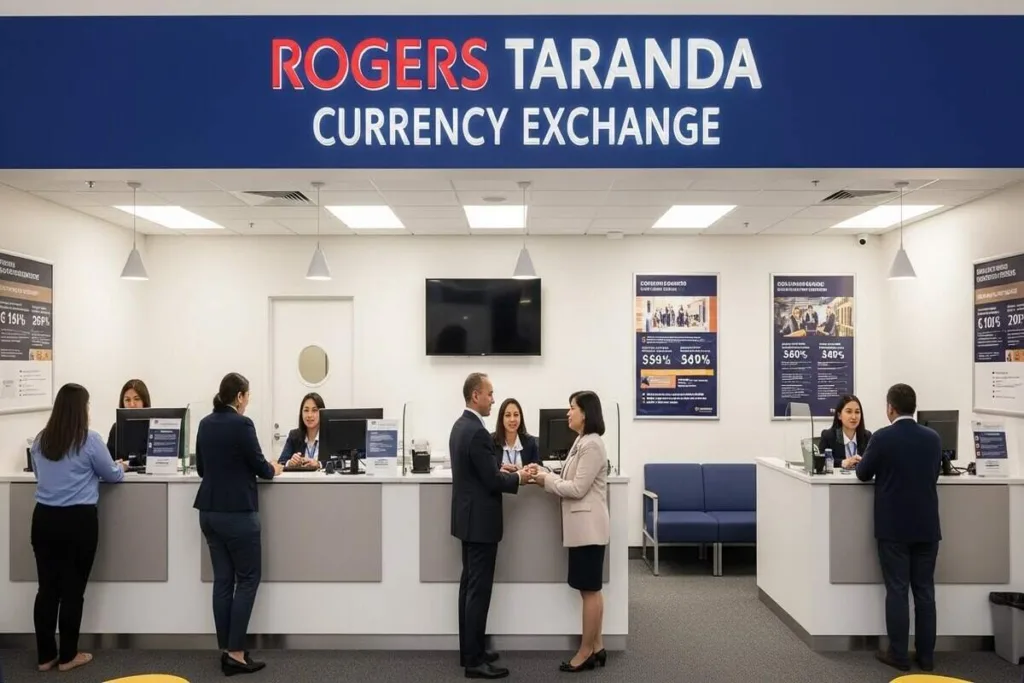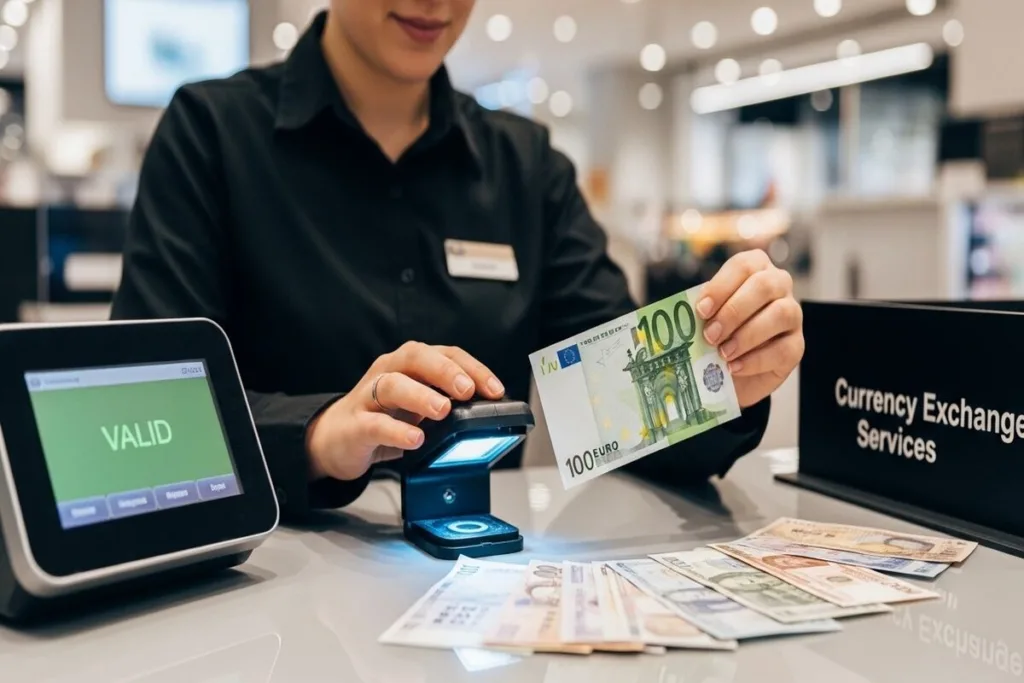
Stores validate foreign currency before exchange by using a combination of visual checks and internal handling procedures to assess whether a banknote appears legitimate. These steps support safer transactions and help reduce the risk of accepting suspicious or counterfeit notes during everyday currency exchange services. If you want a deeper overview of exchange processes, explore our guide on retail currency exchange guidance for more helpful insights.
How Physical Checks Support Secure Foreign Currency Exchange
Physical inspection plays an important role in foreign currency exchange by helping staff assess whether a banknote appears consistent with expected design and security features. Through trained observation and hands-on verification, stores rely on visible features, texture and embedded elements to confirm authenticity. These checks create a reliable first step in protecting both businesses and customers before completing any exchange transaction.
Visual Checks Of Design And Security Features
Stores start foreign currency validation by closely reviewing visible design elements to confirm the note matches official standards and layouts. They focus on overall appearance, including color accuracy, print quality and alignment to ensure consistency with genuine banknotes. This initial step helps quickly identify obvious discrepancies before moving to deeper verification.
Key elements to check:
- Portrait details and facial clarity that match official currency designs
- Serial numbers that follow correct formatting and alignment patterns
- Fine line patterns and micro details that are difficult for counterfeiters to replicate
Staff verify currency authenticity by checking advanced security features like color-shifting elements, holograms, and watermarks. Visual inspection helps them quickly spot irregularities, improving accuracy and ensuring safer, more reliable transactions.For broader consumer education, resources like the FDIC Money Smart financial education program help explain how individuals can better understand financial transactions.
Tactile Verification Through Paper Texture And Printing
Authentic banknotes use specialized materials, so stores verify texture by feeling the paper’s firmness and slightly raised printed surfaces. Raised ink from intaglio printing allows trained staff to detect authenticity through touch, especially on high-value foreign denominations. Paper quality, thickness and flexibility also indicate legitimacy, as counterfeit notes often feel smoother or unusually thin.
Light-Based Inspection For Embedded Features
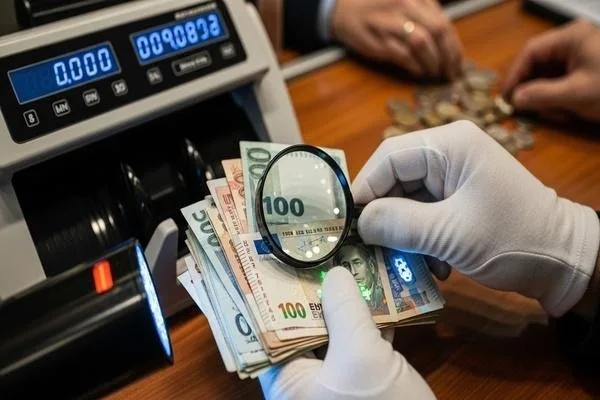
Stores may use light-based inspection techniques to observe embedded features such as watermarks, security threads and layered design elements within the currency. In some cases, controlled lighting can help reveal details that are not easily visible under normal conditions. Financial institutions often rely on verified data sources such as the Federal Reserve H.10 exchange rate data to contextualize currency characteristics and values during handling.
How Structured Processes Improve Currency Exchange Accuracy
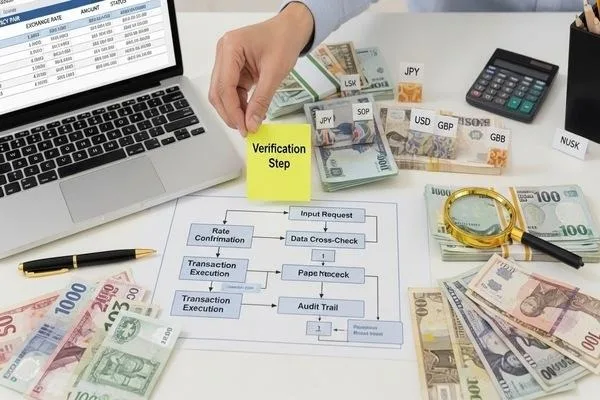
Structured processes support consistency during currency exchange by combining repeatable handling steps with staff awareness and attention to detail. These processes reduce errors, strengthen reliability and help staff confidently validate foreign currency before completing transactions. By following a clear and repeatable system, stores can detect inconsistencies more effectively while maintaining smooth and efficient exchange operations.
Layered Verification Steps For Consistent Validation
Stores may apply multiple review steps to assess each banknote, allowing staff to check for consistency across different observable features before proceeding with a transaction. Staff begin with visual inspection, then confirm findings through additional verification steps to strengthen accuracy before accepting foreign currency. This layered approach minimizes oversight, ensuring that each note is reviewed using consistent and repeatable validation standards. Layered verification ensures each banknote undergoes multiple checks, reducing the likelihood of counterfeit acceptance during transactions. Customers can explore available currency exchange services when preparing for secure transactions.
Pattern Recognition And Comparison Against Known Standards
Stores may compare banknotes against known design references to assess whether the note aligns with expected currency features. This approach allows staff to quickly assess whether a note aligns with known design specifications issued by official monetary authorities. By focusing on accuracy and consistency, stores reduce the risk of accepting counterfeit currency during transactions.
Here are the key elements checked:
- Alignment of printed elements to ensure proper positioning across the banknote surface
- Spacing between numbers, letters and design features to detect irregular formatting
- Symmetry of patterns and images, which counterfeit notes often fail to replicate precisely
Reference materials and standardized benchmarks help staff verify foreign currency by enabling consistent comparison against legitimate designs. Combined with pattern recognition and visual checkpoints, this approach improves accuracy, reduces uncertainty, and ensures secure, efficient handling of both familiar and unfamiliar currencies. Oversight bodies such as the Financial Crimes Enforcement Network guidance hub provide frameworks that financial institutions follow to strengthen validation and compliance practices.
Continuous Staff Training And Process Reinforcement
Staff awareness and ongoing guidance help support consistent handling practices when reviewing foreign currency. This helps maintain accuracy across different transaction scenarios. Ongoing reinforcement helps maintain accuracy, allowing staff to confidently validate foreign currency across different transaction scenarios. Customers can locate nearby service offices through official branch locations when preparing to exchange currency. Additional consumer protection insights are available through the CFPB consumer financial tools.
Key Takeaways
- Stores review foreign currency using visual inspection and consistent handling practices before completing exchanges.
- Design features, texture and embedded elements can help indicate whether a banknote appears consistent with expected currency standards.
- Light-based observation may assist in identifying certain embedded features depending on the currency.
- Applying repeatable review steps helps improve consistency and reduce uncertainty during transactions.
- Staff awareness supports reliable handling of foreign currency in everyday exchange scenarios.
Conclusion
Stores review foreign currency using a combination of visual inspection and consistent handling practices to support secure and reliable transactions. These processes help identify counterfeit notes by examining design features, texture and embedded security elements using both human expertise and systematic checks. By following consistent validation procedures, stores reduce risks and maintain trust during currency exchange interactions. For consumers, understanding these steps provides confidence when preparing to exchange money in practical, everyday situations.
Currency exchange services may also be subject to regulatory requirements such as identity verification, transaction monitoring and recordkeeping obligations. These requirements are separate from in-store review practices and are designed to support compliance with applicable financial regulations.
Disclaimer: Currency handling practices may vary depending on location, service provider procedures and operational setup. Regulatory requirements for currency exchange, including identification and recordkeeping, are applied separately in accordance with applicable laws.
If you are ready to exchange foreign currency safely, choose a trusted provider and complete your transaction with confidence today.
Regulatory Considerations in Currency Exchange (MSB Perspective)
- MSBs follow Bank Secrecy Act (BSA) requirements
- Transactions may be monitored for suspicious activity
- Identity verification is required depending on transaction thresholds
- Procedures are part of a broader AML compliance framework
Validation methods described are general practices and do not represent full security protocols used by regulated institutions.
FAQs
What is the first step stores take when validating foreign currency?
Stores begin with visual inspection, checking design accuracy, colors and security features before applying additional verification methods.
How do stores detect hidden security features in foreign currency?
Stores use controlled lighting and verification methods to reveal embedded features like watermarks and fluorescent markings for accurate validation.
Can stores detect fake currency without advanced systems?
Yes, trained staff can detect counterfeit notes using visual, tactile and light-based inspection methods without relying on automated systems.
How do authentication systems help validate foreign money?
Some systems can analyze banknotes and compare features, identifying inconsistencies that may indicate counterfeit currency.
Do all stores follow the same validation process?
Practices can vary by provider. While many stores use similar inspection approaches, procedures and requirements may differ based on operational processes and applicable regulations.

John is a Content & SEO Specialist who enjoys breaking down complex financial topics, like cross-border payments and money transfers, into content that’s easy to understand. He focuses on creating practical, search-driven content that helps people find answers and make informed decisions.