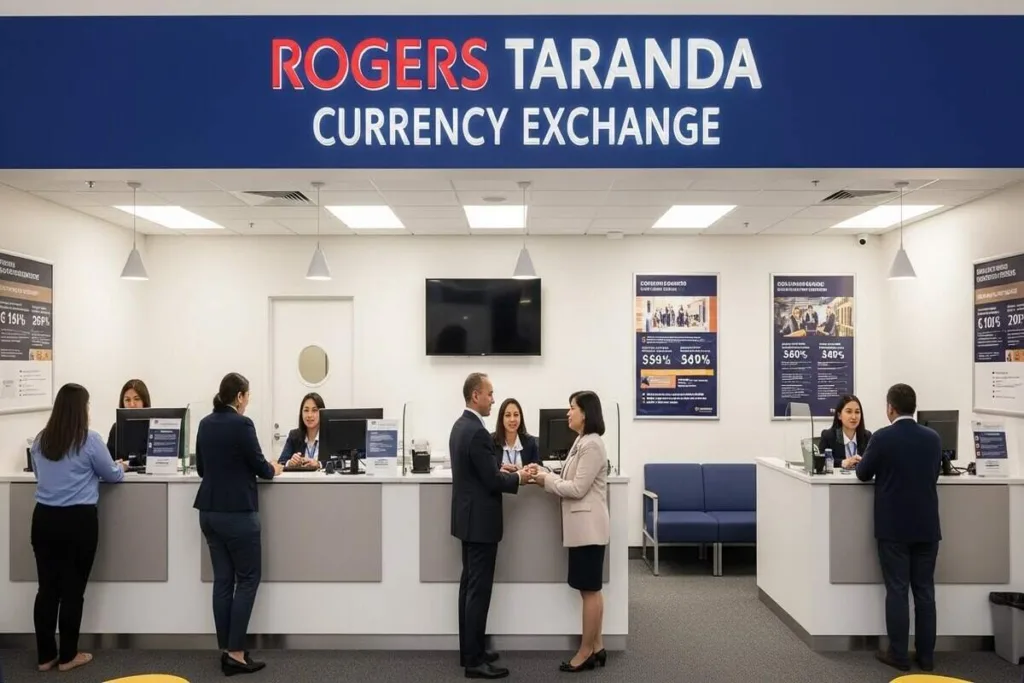
Currency exchange services allow customers to convert foreign cash for international travel, overseas expenses, and other cross-border financial needs through regulated financial providers. Requirements, verification procedures, and transaction outcomes may vary depending on provider policies, jurisdiction, transaction characteristics, and applicable legal or regulatory requirements. Customers evaluating these services often review exchange rate transparency, documentation practices, provider licensing, and transaction procedures before completing a conversion. General retail currency exchange guidance may also provide additional context about how these services operate within everyday financial situations.

What Operational Practices Help Identify A Reliable Currency Exchange
Reliable currency exchange providers typically follow structured operational procedures designed to support transparency, customer awareness, and consistent transaction handling. Customers preparing for international travel or converting foreign cash for overseas expenses may benefit from reviewing how providers explain rates, process exchanges, and manage compliance-related procedures before completing a transaction.
Clear communication also matters because exchange rates are not guaranteed and may vary until the transaction is completed. Providers that explain documentation procedures, transaction reviews, and exchange calculations in a straightforward manner can help customers understand what to expect before converting funds.
Reviewing Exchange Rate Transparency
A reliable currency exchange provider generally explains how exchange rates are applied and whether service fees or rate margins affect the final conversion amount. Customers preparing to exchange foreign currency for travel expenses may consider comparing rates between several providers before completing a transaction.
Because exchange rates fluctuate throughout the day based on market conditions, rates shown online may differ from rates available at the counter. Customers who compare pricing carefully can better understand the total transaction cost when they convert dollars to pesos or buy and sell currency for overseas use. Public Federal Reserve H.10 exchange rate data provides general information about currency valuation activity and exchange rate fluctuations.
Understanding Identification And Verification Procedures
Identification requirements are commonly tied to provider compliance programs and applicable legal or regulatory obligations. Customers should understand that identification may be required depending on the transaction type, amount, destination, service type, and risk-based compliance procedures determined by the provider.
Reliable currency exchange businesses generally explain these procedures clearly and apply them consistently. Customers may also be expected to provide accurate and complete information when requested to support applicable financial compliance requirements. Depending on the provider and transaction type, transactions may also be reviewed in accordance with applicable sanctions screening requirements, including those related to OFAC. General FinCEN guidance resources provide background information regarding financial institution compliance frameworks and regulatory expectations.
Evaluating Provider Licensing And Regulatory Status
Customers often evaluate whether a provider operates within recognized financial compliance frameworks before exchanging foreign currency. Many currency exchange businesses operate as Money Services Businesses (MSBs) registered with FinCEN and may be subject to applicable federal and state regulatory requirements.
It is important to understand that FinCEN registration does not constitute government approval, endorsement, or certification of a business. Customers may also consider whether a provider holds any applicable state licenses or authorizations where required for the services offered.
These frameworks may include transaction monitoring, recordkeeping practices, and compliance procedures related to applicable financial regulations, including the Bank Secrecy Act (BSA). Certain transactions may also be subject to documentation or reporting requirements handled by the provider under applicable regulations. These obligations are managed by the provider and are not controlled by customers. Public AML Act overview information also outlines broader regulatory obligations that apply to financial institutions and money services businesses.
Comparing Customer Service And Transaction Clarity
Customer communication can help indicate whether a currency exchange provider follows structured operational practices. Providers that explain exchange calculations, transaction timing, and receipt details clearly may help customers avoid confusion during the exchange process.
Helpful indicators customers may consider include:
- Clear explanation of exchange amounts before completion
- Transparent display of applicable fees or margins
- Availability of receipts and transaction records
- Consistent responses to general service questions
These practices do not guarantee outcomes, but they can help customers evaluate whether a provider emphasizes transparency and operational consistency.

What Practical Factors Should Customers Compare Before Exchanging Currency
Customers preparing to exchange foreign currency may also compare practical service factors that influence convenience, timing, and transaction expectations. These considerations become especially important when planning international travel, managing overseas expenses, or converting leftover foreign cash after returning home.
Because provider procedures and exchange availability can vary, customers often benefit from reviewing operational details in advance rather than waiting until the day of travel. Understanding how timing, currency availability, and transaction processes work can support smoother exchanges and reduce unnecessary delays.
How to Verify a Currency Exchange Provider
Before exchanging foreign currency, customers may wish to verify that a provider clearly explains its services and operational practices. Taking a few minutes to review publicly available information can help customers make more informed decisions.
Customers may consider:
- Confirming whether the provider is registered or licensed where applicable for the services offered.
- Reviewing how exchange rates, fees, or applicable margins are disclosed before completing a transaction.
- Asking whether a receipt or transaction record will be provided.
- Reading customer service information and available business policies.
- Comparing multiple providers before deciding where to exchange currency.
These steps do not guarantee a particular transaction outcome, but they may help customers evaluate whether a provider emphasizes transparency and customer communication.
Reviewing Currency Availability And Acceptance Policies
Not all providers exchange every currency or denomination, and acceptance standards may vary depending on operational and regulatory considerations. Customers planning to convert cash securely may benefit from confirming whether a provider accepts the currency they intend to exchange before visiting a location.
Foreign bills that are heavily damaged, altered, or no longer in circulation may not be accepted. Customers preparing for international travel may also consider organizing bills by denomination and confirming whether specific foreign currencies are available for purchase ahead of time. General foreign currency exchange information may provide additional context about retail exchange services and transaction considerations.
Considering Timing And Exchange Rate Fluctuations
Timing can influence currency exchange outcomes because rates fluctuate continuously based on global market conditions, economic announcements, and travel demand. Customers monitoring rates over several days may gain better context before exchanging funds for international use.
For example, individuals preparing to convert dollars to pesos for travel expenses may notice small differences in rates between providers or between business days. While no timing approach guarantees a better result, reviewing trends can help customers make more informed decisions before completing a transaction. Public U.S. Treasury exchange rate analysis resources also provide broader context regarding currency valuation activity and international exchange conditions.
Assessing Transaction Documentation And Receipts
Reliable providers generally issue transaction documentation that reflects exchanged amounts, currency types, and completed transaction details. Receipts support personal recordkeeping and may help customers confirm exchange information later if questions arise.
Customers may consider reviewing transaction details carefully before completion to confirm the displayed currency, exchange amount, and applicable service charges. Keeping documentation accessible may also help individuals track international travel spending or future reconversion needs.
Evaluating In-Person And Digital Exchange Options
Some customers prefer in-person currency exchange because it allows direct interaction with staff and immediate access to physical cash. Others may prefer digital or account-based conversion tools depending on provider availability and travel needs.
When comparing options, customers may consider:
- Accessibility of branch location information or service hours
- Availability of immediate foreign cash
- Transparency of digital exchange pricing
- Ability to ask questions before completing the transaction
Some licensed providers offer both retail financial services and currency exchange solutions within established compliance frameworks. Customers may consider reviewing available service options based on their individual needs and travel circumstances. General FDIC Money Smart program materials also provide educational information related to financial awareness and consumer financial literacy.
Conclusion
Evaluating a reliable currency exchange provider involves reviewing operational transparency, exchange rate clarity, compliance practices, and practical service considerations. Customers preparing for international travel or overseas expenses may benefit from comparing rates, confirming currency availability, reviewing transaction procedures, and understanding that requirements may vary depending on provider policies and applicable regulations.
Many licensed providers operate within established financial compliance frameworks designed to support transparency and lawful transaction handling. By approaching currency exchange with preparation and realistic expectations, customers can better evaluate available services and make more informed transaction decisions.
Customers may consider using licensed or registered currency exchange providers that clearly communicate transaction procedures and exchange details.
This content is provided for general informational purposes only and does not constitute legal, financial, or regulatory advice.
Frequently Asked Questions
How Can Customers Compare Currency Exchange Providers?
Customers may compare exchange rates, service transparency, currency availability, and provider operational practices before completing a transaction.
Do Currency Exchange Providers Always Require Identification?
Identification may be required depending on the transaction type, provider policies, jurisdiction, and applicable legal or regulatory requirements.
Why Do Currency Exchange Rates Change Frequently?
Exchange rates fluctuate due to global market activity, economic conditions, and changing supply and demand for currencies.
Are Currency Exchange Businesses Regulated?
Many currency exchange providers operate as Money Services Businesses registered with FinCEN and may follow applicable federal and state compliance requirements.
What Should Customers Review Before Exchanging Currency?
Customers may review exchange rates, applicable fees, currency availability, transaction documentation, and provider communication practices before proceeding.

Alvin is a Content and SEO Specialist who creates clear and helpful content about money transfers and payment systems. He focuses on making complex topics easy to understand so readers can learn how these services work in everyday situations.