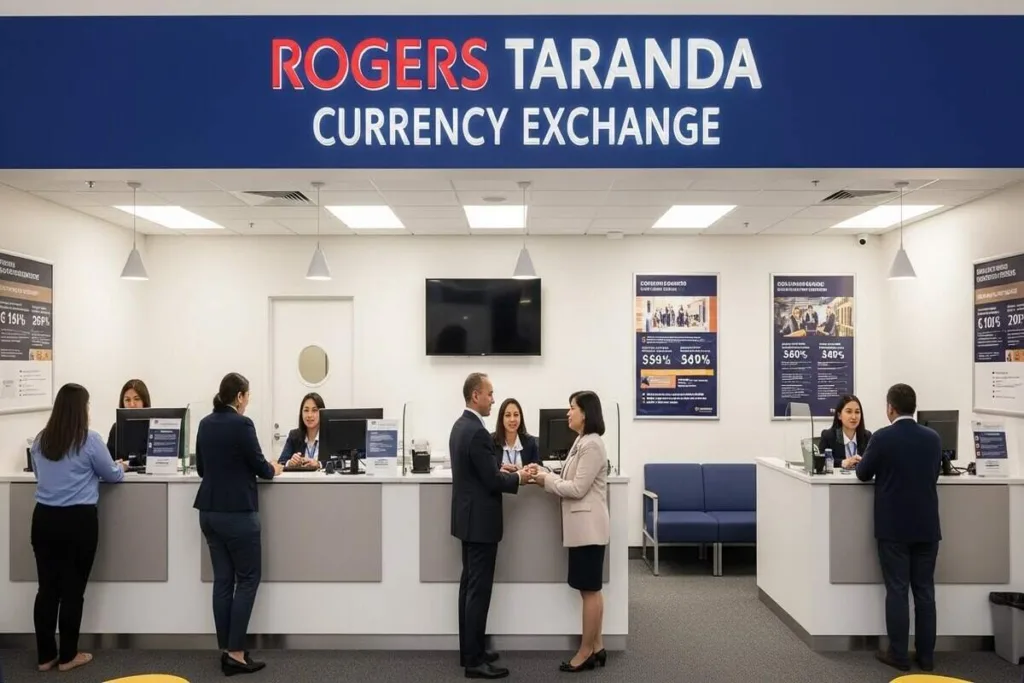
Currency exchange services enable individuals and businesses to convert one country’s currency into another through regulated financial providers that follow standardized operational and compliance processes. These services play an essential role in international travel, cross-border payments, and global commerce by ensuring foreign cash can be used lawfully and effectively across different economies. For broader general guidance on currency exchange, readers can review educational resources on retail exchange services.
Fluctuations in currency values can directly impact how much money is received during conversion, making it important to understand what drives these changes. This article provides practical insight into the key factors behind shifting exchange rates and offers guidance to help readers plan transactions with clearer expectations and informed decision-making. For customers using licensed providers such as Order Express for travel money transfers or currency exchange services, understanding these market movements can help support better preparation before completing a transaction.
Economic And Market Factors That Influence Currency Strength
Currency strength often changes due to economic signals and market activity that affect how currencies are valued globally. These changes are not random and usually reflect broader financial conditions such as interest rates, inflation trends, and investor behavior. When preparing to exchange foreign currency, recognizing these drivers helps you better interpret rate differences that may appear across providers.
These factors operate continuously and can shift within hours depending on global developments. While customers cannot control these movements, awareness helps set realistic expectations before visiting a provider. Understanding these influences supports better timing decisions and reduces the risk of unexpected value differences during conversion.
Why Do Exchange Rates Change Daily?
Exchange rates change daily because currencies are constantly traded in global financial markets where supply and demand shift throughout the day. Economic reports, inflation updates, political events, and investor activity can all influence how strong or weak a currency becomes compared to another.
For customers planning international travel, remittances, or overseas purchases, these fluctuations may affect how much foreign currency is received during conversion. Rates may appear different from one day to the next because financial markets respond quickly to global developments and economic expectations.
Although daily movements are normal, understanding the causes behind exchange rate changes helps customers make more informed decisions before completing a transaction with a regulated provider.
Interest Rate Changes And Global Investment Flows
Interest rate changes are one of the strongest drivers of currency exchange value shifts because they influence global investment movement. When a country raises interest rates, investors often move funds there seeking better returns, increasing demand for that currency.
For everyday situations, this means rates can change even before you travel or convert funds. A traveler preparing to buy foreign cash may notice different values compared to earlier in the week. Monitoring general rate trends using sources like the Federal Reserve H.10 exchange rate data helps reduce surprises and supports more informed decisions.
Inflation Trends And Purchasing Power Differences
Inflation affects currency exchange because it changes the real purchasing power of money within a country. Higher inflation typically weakens a currency since goods and services become relatively more expensive compared to other economies.
For example, if you plan to convert dollars to pesos for travel, inflation differences between countries can impact how much local spending power you receive. Reviewing broader economic context through the U.S. Treasury exchange rate analysis helps explain why exchange rates shift over time rather than assuming pricing differences come from service providers alone.
Political Events And Market Uncertainty
Political developments can cause immediate changes in currency exchange rates because they affect market confidence and stability. Elections, policy changes, or geopolitical tensions often lead to rapid adjustments in currency value.
These movements matter for travelers or individuals preparing overseas expenses because timing can influence conversion outcomes. Even short-term uncertainty may lead to noticeable rate changes, so checking current conditions before exchanging helps avoid unexpected differences during the transaction process. General financial education resources such as the CFPB consumer tools can provide additional context on managing financial decisions.
Supply And Demand In Foreign Exchange Markets
Currency exchange rates change constantly based on supply and demand in global markets, which is one reason why exchange rates change daily across financial institutions and retail exchange providers. When demand for a currency rises, its value increases, and when demand falls, its value decreases.
Common demand drivers include:
- International trade activity between countries
- Tourism flows affecting foreign cash needs
- Cross-border investments and remittances
Understanding these patterns helps explain daily fluctuations and reinforces why rates can vary between visits when converting currency through different providers.
Practical Considerations When Exchanging Currency During Rate Changes
Knowing what causes currency fluctuations is helpful, but applying that knowledge during real transactions is more important. Customers preparing to exchange foreign currency benefit from focusing on timing, provider processes, and realistic expectations. Exchange rates reflect live market conditions, while retail services apply their own operational processes when presenting rates to customers.
Practical awareness helps you avoid rushing decisions based on short-term changes. Instead of trying to predict exact market movements, focus on preparation and understanding how regulated providers present rates. This approach supports smoother transactions whether you are planning travel or managing international expenses.
Timing Your Exchange Based On Market Awareness
Timing matters when completing a currency exchange because rates can shift throughout the day based on global market activity. While it is difficult to predict exact changes, reviewing recent market trends may help customers better understand current exchange conditions before proceeding with a transaction.
For example, someone preparing for international travel may review rates over several days before converting funds. This approach provides context rather than relying on a single moment. It also helps avoid reacting to short-term volatility without understanding broader patterns.
Comparing Retail Exchange Rates And Service Differences
Retail providers may display slightly different rates due to operational costs, sourcing, and service structures, even though they follow market benchmarks. A currency exchange transaction reflects both market conditions and provider processes.
If you want deeper guidance, you can review general retail exchange considerations through educational resources on currency exchange. Comparing options helps you understand differences without assuming inconsistencies are unusual.
Preparing For Travel And Overseas Spending Needs
Preparation helps reduce the impact of sudden rate changes when planning to exchange foreign currency for travel. Having a clear idea of how much cash you need allows you to act without delay when rates are acceptable.
Key preparation steps include:
- Estimating daily cash needs for your destination
- Deciding how much to convert in advance versus later
- Keeping funds organized for efficient in-person transactions
These steps support smoother exchanges and reduce last-minute pressure caused by fluctuating rates. Customers using regulated providers such as Order Express may also consider visiting nearby branch locations for in-person assistance with currency exchange transactions and general service support.
Understanding Compliance And Provider Responsibilities
Currency exchange operates within regulated frameworks that guide how transactions are processed and documented. Financial institutions classified as Money Services Businesses are required to follow specific obligations such as identity verification and recordkeeping when applicable.
These obligations are established under federal oversight frameworks administered by agencies such as FinCEN and legislation including the Bank Secrecy Act and Anti-Money Laundering laws. These requirements apply to financial institutions rather than customers directly.
From a customer perspective, this means certain steps such as providing identification may be required during a transaction. These processes are standardized and are not influenced by market timing or individual preference.
Conclusion
Sudden changes in currency strength are driven by interest rates, inflation, political developments, and global market demand. These factors influence how currencies are valued and explain why exchange rates can shift quickly. For individuals preparing to exchange foreign currency, understanding these drivers helps set realistic expectations and improves decision-making.
Practical preparation remains the most reliable approach when dealing with fluctuating rates. Monitoring general trends, planning ahead for travel, and working with regulated providers all contribute to smoother transactions. Currency exchange is not static, but with awareness and preparation, customers can better manage timing and expectations during conversion.
Using a licensed or registered currency exchange provider helps ensure transactions follow established processes and documentation standards.
Disclaimer: This content is provided for general informational purposes only and does not constitute legal, financial, or regulatory advice.
Reviewed by financial services professionals with experience in regulated Money Services Businesses (MSBs). Order Express follows applicable compliance and recordkeeping requirements for regulated financial service providers.
Frequently Asked Questions
Why do currency exchange rates change daily?
Currency values change daily due to global market demand, economic indicators, and ongoing international financial activity.
Can I predict the best time to exchange currency?
No exact timing can be predicted, but reviewing short-term trends helps inform reasonable exchange decisions.
Do exchange providers control currency rates?
Providers reflect market-based rates while applying their own operational pricing structures for service delivery.
How do global events affect currency value quickly?
Major events shift investor confidence, which immediately impacts demand and causes rapid currency value changes.
Is it better to exchange currency before traveling?
Exchanging some funds before travel provides immediate access to cash and reduces reliance on unfamiliar services abroad.
What factors affect exchange rates the most?
Interest rates, inflation, political stability, and global market demand are among the most common factors that influence currency exchange rates worldwide.
Why is the exchange rate different at retail providers?
Retail exchange providers may apply operational costs, sourcing differences, and service-related pricing structures in addition to market-based exchange rates.

Alvin is a Content and SEO Specialist who creates clear and helpful content about money transfers and payment systems. He focuses on making complex topics easy to understand so readers can learn how these services work in everyday situations.