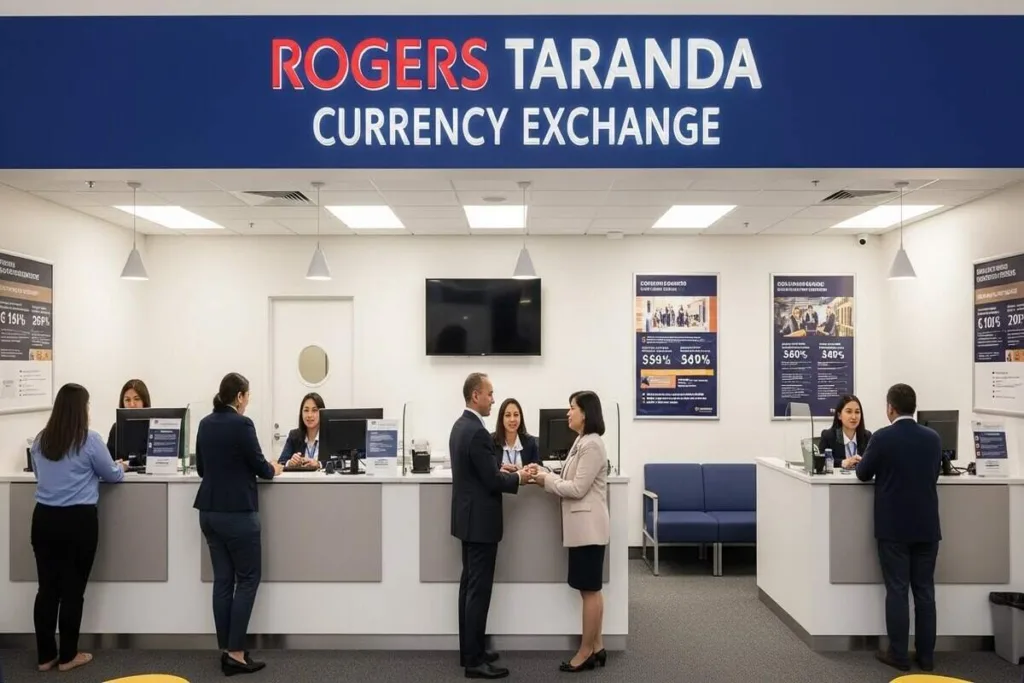
International travel disruptions can create immediate financial needs that require access to usable local funds for transportation, lodging, meals, and other temporary expenses. Currency exchange services allow travelers to convert foreign cash through licensed or registered providers that process transactions according to applicable operational requirements. General guidance related to retail currency exchange services may help provide additional context about how these transactions are commonly handled.
Requirements, processing procedures, and identification standards may vary depending on the provider, jurisdiction, transaction characteristics, and applicable legal or regulatory obligations. This guide outlines how exchange services may help during travel delays, what travelers should expect during the process, and why preparation and documentation can support smoother transactions during unexpected itinerary changes. The information presented is based on general educational resources and common practices followed by licensed currency exchange providers operating within applicable regulatory frameworks.

Why Currency Exchange Can Support Travelers During Unexpected Delays
Travel disruptions often create immediate financial needs that are easier to manage with access to local currency. Whether a traveler experiences a missed connection, extended layover, weather interruption, or transportation issue, currency exchange can help support short-term spending needs while plans are being adjusted.
Understanding how currency exchange works during delays also helps travelers prepare realistically for timing, documentation, and exchange rate considerations. Exchange rates are not guaranteed and may vary until the transaction is completed, and processing procedures may differ depending on the provider and transaction circumstances.
Accessing Local Cash For Emergency Transportation
Travel delays sometimes require travelers to arrange alternate transportation such as taxis, trains, buses, or rideshare services that may not consistently accept foreign cards or digital payment methods. For example, if a connecting international flight is canceled late at night, a traveler may need local cash to pay for a taxi or airport shuttle to reach a nearby hotel while waiting for the next available flight. Currency exchange services may help travelers obtain usable local currency for these immediate transportation expenses. Currency exchange can help travelers obtain local cash for these immediate transportation expenses.
When customers exchange foreign currency during travel interruptions, providers may review the condition and type of foreign bills before processing the transaction. Identification requirements and transaction review procedures may vary depending on the provider, transaction amount, and applicable legal requirements.
Having access to local cash may also help travelers avoid additional delays caused by payment acceptance limitations in unfamiliar locations.
Managing Unexpected Lodging And Meal Expenses
Extended delays can create unplanned hotel stays, food purchases, and other temporary living expenses. For example, severe weather or airline operational disruptions may require travelers to book overnight accommodations and purchase meals until their itinerary resumes. Currency exchange services may help provide access to local cash when these unexpected expenses arise. Information about currency exchange services may help travelers better understand how regulated providers handle the conversion of foreign funds into usable local currency during unexpected itinerary changes.
Travelers may consider reviewing exchange amounts carefully before completing the transaction, especially when exchange rate fluctuations affect the final converted value. This can help individuals better understand how much local currency will be available for short-term travel-related spending.
Some travelers also review general information about currency exchange services and related financial preparation before international travel or emergency situations to better understand how exchange processes, timing, and currency availability may vary.
Understanding Exchange Rate Variations During Disruptions
Exchange rates may shift throughout the day based on market activity, currency demand, and provider pricing structures. During periods of heavy travel disruption or international uncertainty, travelers may notice differences between exchange locations, airports, and local providers. Historical and current foreign exchange information is also published through the Federal Reserve H.10 exchange rate data.
Customers exchanging funds during travel delays may benefit from reviewing:
- Current exchange rates at the time of service
- Availability of needed denominations
- Any applicable service fees or processing conditions
- Whether the provider currently accepts the presented currency
Reviewing transaction details before completion supports informed decision-making and reduces misunderstandings during stressful travel situations.
Preparing Documentation Before Exchanging Currency
Preparation can help travelers complete a currency exchange transaction more efficiently during delays or itinerary changes. Travelers may be expected to provide accurate and complete information when requested to support compliance with applicable regulations.
Depending on the provider and transaction characteristics, preparation may include confirming:
- Valid identification availability
- Foreign currency condition and denomination
- Travel-related documentation when applicable
- Accuracy of transaction details before confirmation
Certain transactions may be subject to identity verification, recordkeeping, or transaction review requirements under applicable laws and regulations. Providers may also apply screening procedures as part of their compliance programs.
General educational information related to financial institution compliance obligations is available through FinCEN guidance resources.

How Regulated Currency Exchange Services Help Maintain Transaction Transparency
Currency exchange services operate within structured financial and compliance frameworks intended to support transparency, consistency, and lawful financial activity. During travel delays, understanding these operational standards can help travelers approach exchanges with clearer expectations and fewer misunderstandings.
Licensed providers often use standardized transaction procedures intended to support consistency and documentation during the exchange process. Understanding these procedures may help travelers better prepare for transactions during time-sensitive travel situations. Information related to branch locations may provide additional service availability context for travelers seeking in-person financial service offices.
Why Verification Procedures May Apply During Exchanges
Verification procedures help providers confirm transaction details and maintain compliance with applicable financial regulations. During travel-related exchanges, customers may be asked to provide identification or supporting information depending on the transaction type and provider obligations.
These verification steps may support:
- Accurate transaction documentation
- Fraud prevention efforts
- Transaction security and recordkeeping requirements
- Consistent processing procedures
Not all transactions require identification, and whether verification applies is determined by the provider based on applicable legal and regulatory requirements. Broader consumer financial education materials are also available through the FDIC Money Smart program.
Reviewing Currency Condition Before Processing
Foreign currency condition can affect whether bills are accepted for exchange. Providers may review banknotes for excessive wear, markings, damage, or circulation status before approving the transaction.
Travelers dealing with delayed itineraries may benefit from organizing bills before visiting a provider. This may help reduce processing delays and improve transaction efficiency during busy travel periods.
Acceptance decisions vary depending on provider policies, operational capabilities, and applicable compliance considerations.
Understanding Differences Between Airport And Local Providers
Airport exchange counters and community-based providers may operate differently in terms of staffing, processing flow, available denominations, and customer interaction. During delays, travelers sometimes compare these options depending on convenience and urgency.
Airport services may focus on speed and immediate traveler access, while local providers may offer additional time for transaction review and clarification. Processing approaches, exchange rates, and currency availability may differ between providers and locations. Additional public educational resources related to exchange rate policy and foreign exchange markets are available through U.S. Treasury publications.
Travelers may consider reviewing service details carefully before proceeding with a transaction, particularly when exchanging larger amounts or less common currencies.
Keeping Receipts And Transaction Records
Receipts provide documentation of completed currency exchange transactions and can support personal financial tracking during travel disruptions. Keeping transaction records may help travelers monitor spending, review converted amounts, and reference details if questions arise later.
Receipts may include information such as:
- Currency types exchanged
- Final transaction amounts
- Exchange rate information
- Transaction timing and provider details
Maintaining organized records can also support smoother budgeting during extended travel interruptions or itinerary changes.
About Order Express
Order Express is a licensed Money Services Business providing currency exchange, money transfer, check cashing, and other financial services through multiple locations in the United States. Currency exchange services are provided in accordance with applicable operational, compliance, and regulatory requirements. Customers may contact a local Order Express branch for general information regarding available services, identification requirements, and transaction procedures.
Conclusion
Currency exchange services can help travelers manage practical financial needs during unexpected travel delays by providing access to usable local currency for transportation, lodging, meals, and other temporary expenses. Understanding how exchange rates, verification procedures, documentation standards, and provider practices work helps travelers approach these services with realistic expectations and informed awareness.
Because currency exchange services may involve identification, documentation, and transaction review procedures, preparation and accurate information can help travelers navigate delays more efficiently. Understanding that processing requirements may vary by provider and jurisdiction can also help set realistic expectations during unexpected travel situations.
Before exchanging foreign currency during a travel delay, travelers may benefit from confirming provider credentials, available currencies, identification requirements, operating hours, and current exchange rates. Preparing these details in advance may help reduce delays and support a smoother transaction during unexpected itinerary changes.
This content is provided for general informational purposes only and does not constitute legal, financial, or regulatory advice. Currency exchange requirements, identification standards, exchange rates, and transaction procedures may vary depending on the service provider, jurisdiction, transaction characteristics, and applicable federal, state, or local laws and regulations. Travelers should confirm current requirements directly with their selected provider before completing a transaction.
Frequently Asked Questions
Can currency exchange help during delayed international flights?
Yes. Licensed currency exchange providers may help travelers obtain local currency for transportation, temporary lodging, meals, and other short-term expenses during unexpected travel delays, subject to provider availability and applicable transaction requirements.
Do all currency exchange transactions require identification?
Identification may be required depending on the transaction type, provider policies, and applicable legal or regulatory requirements.
Why do exchange rates change during travel delays?
Exchange rates may fluctuate based on market conditions, provider pricing, and currency demand at the time of the transaction.
Can damaged foreign bills be exchanged during travel emergencies?
Acceptance of damaged bills varies by provider and depends on currency condition and operational policies.
Are airport currency exchange services different from local providers?
Airport and local providers may differ in processing procedures, exchange rates, staffing, and currency availability.

Alvin is a Content and SEO Specialist who creates clear and helpful content about money transfers and payment systems. He focuses on making complex topics easy to understand so readers can learn how these services work in everyday situations.