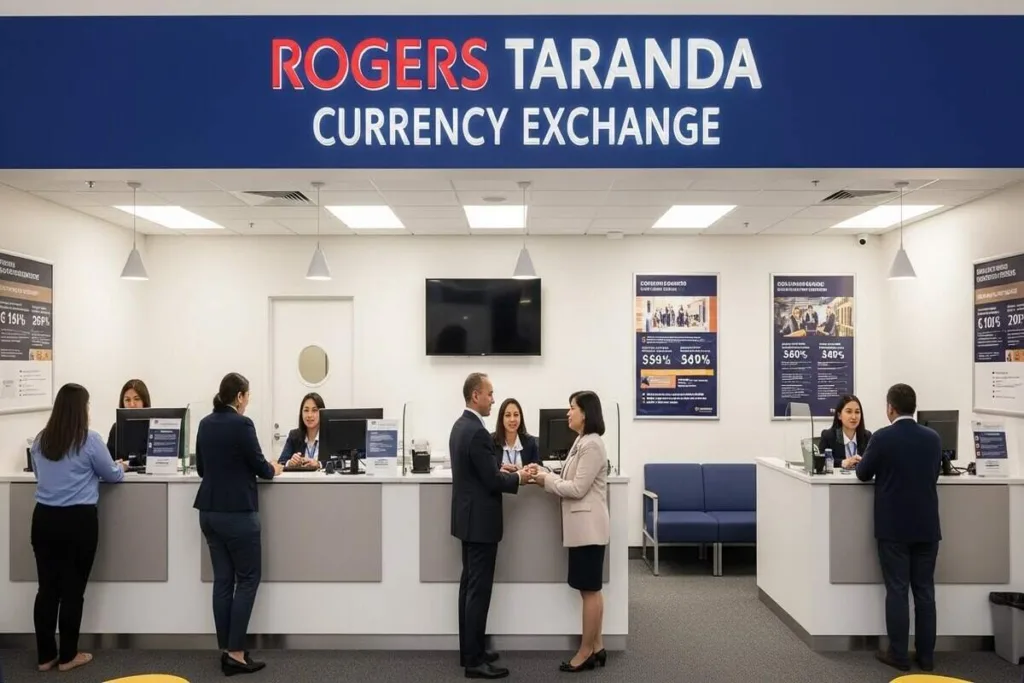
Currency exchange services allow individuals and businesses to convert one country’s currency into another through regulated financial providers such as licensed currency exchange providers and retail exchange locations. Customers visiting Order Express locations can expect structured service processes designed to support secure and transparent transactions. These services support international travel, cross-border payments, and situations where foreign cash must be made usable in a different financial system. Customers seeking structured retail guidance may review retail currency exchange guidance to better understand how these services are used in everyday financial situations.
Learning about exchange rates, fees, and verification requirements helps customers prepare more effectively before completing a transaction. Many people searching for where to exchange currency or currency exchange near me often compare provider transparency, timing, and service availability before proceeding. This article provides practical guidance to help readers prepare, compare options, and approach the process with clear, compliance-aware expectations.
Understanding Exchange Rates And Service Options
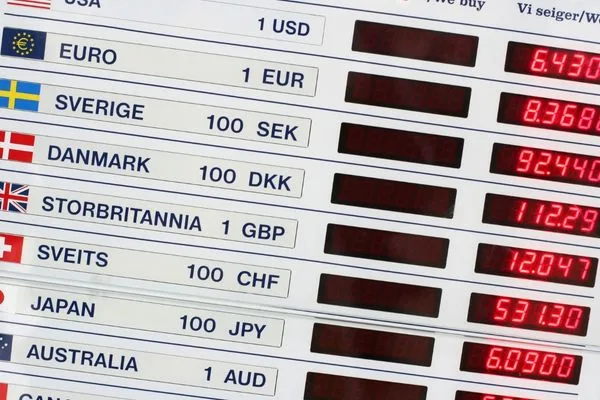
Before exchanging currency, customers should understand how exchange rates, currency exchange fees, and service methods affect the final amount received. Learning how to exchange foreign currency in advance helps customers compare options more effectively. Currency values fluctuate based on global market conditions, and rates offered by providers may differ depending on timing and availability. Knowing how these variables work helps customers plan ahead and avoid unexpected differences when converting money for travel or overseas expenses.
Service options also influence how the transaction is completed. Some customers prefer in-person exchanges for immediate access to cash, while others evaluate structured retail services for clarity and documentation. Reviewing these differences supports better decision-making and aligns expectations with how regulated exchange services operate in real-world scenarios.
How Exchange Rates Affect Final Amounts
Exchange rates directly determine how much money customers receive during a currency exchange, making them a critical factor in planning. Even small fluctuations can affect travel budgets or overseas spending when converting larger amounts.
Customers should compare available rates and understand that providers apply current market-based pricing at the time of transaction. Exchange rates are not guaranteed until the transaction is completed and finalized by the provider. Reviewing publicly available data such as the Federal Reserve H.10 exchange rate data helps provide general context on how rates move over time.
Understanding rate movement supports better planning. Customers often research the best time to exchange currency before international travel to help manage expenses and avoid unnecessary last-minute conversions. Customers preparing for international travel often monitor trends briefly before converting funds to align timing with practical needs rather than assumptions about fixed values.
Choosing Between In-Person And Digital Options
Customers can complete a currency exchange through in-person services or evaluate digital-related alternatives depending on their needs. In-person exchanges provide immediate access to physical cash and allow customers to review details directly with staff.
Digital or account-based tools may support planning, but physical currency conversion typically occurs through licensed providers offering currency exchange services. This distinction helps customers select the right method based on access and purpose.
Choosing the appropriate option depends on timing, comfort level, and whether physical cash is required. In-person services remain one of the most direct ways to convert dollars to pesos or other currencies for immediate use through licensed currency exchange providers operating in regulated retail environments.
Comparing Fees And Transparency
Fees and pricing structures vary across providers, and currency exchange costs may include service charges or rate adjustments. Customers benefit from reviewing total costs before proceeding with any transaction.
Clear communication at the counter supports transparency. Customers should expect to see the exchange amount before completion and ask questions if anything appears unclear.
Understanding pricing helps avoid confusion. Reviewing broader context from the U.S. Treasury exchange rate analysis can help explain how currency values are assessed globally.
When Timing Matters For Currency Conversion
Timing plays an important role in currency exchange, especially when preparing for international travel or planned expenses abroad. Customers often choose to convert funds in advance to avoid last-minute uncertainty.
Key timing considerations include:
- Upcoming travel dates and immediate cash needs
- Availability of specific foreign currencies
- Business hours for in-person exchange services
- Time needed to review transaction details
Planning ahead allows customers to approach the transaction calmly. This preparation reduces pressure and supports more accurate decisions when buying or selling currency for everyday needs.

Preparing For A Smooth Currency Exchange Transaction
A successful exchange depends on preparation, documentation awareness, and understanding how regulated services operate. Customers who organize their currency, verify requirements, and approach the process with clear expectations typically experience fewer delays. These steps reflect standard practices followed by licensed providers and support accurate and secure transaction handling.
For additional financial literacy context, customers may review resources such as the FDIC Money Smart financial education program and the CFPB consumer financial tools to better understand how regulated financial services function.
Preparing Your Currency Before Visiting
Proper preparation helps streamline a currency exchange and reduces the likelihood of delays during review. Providers assess foreign cash for authenticity, condition, and circulation status before completing transactions.
Customers should organize their currency clearly before visiting a service location. Separating denominations and removing heavily damaged notes supports efficient handling and review. Customers can also confirm nearby branch locations in advance to plan their visit more effectively.
Preparation does not guarantee acceptance, but it improves the overall experience. Customers who arrive organized can move through the process more smoothly and avoid unnecessary back-and-forth during the transaction.
Understanding Identification And Verification
Identification may be required during a currency exchange depending on the transaction type, provider policies, jurisdiction, and applicable regulatory requirements. Requirements may vary by provider, location, and transaction details. These checks support accurate recordkeeping and lawful financial activity.
Customers should approach verification as a standard part of the process rather than an exception. Not all transactions require identification, and requirements may depend on transaction size, structure, provider policies, and regulatory obligations. Providers apply these requirements consistently and determine when they are necessary.
These practices reflect standard verification procedures applied by providers. Financial institutions operate within broader compliance frameworks under guidance from agencies such as FinCEN and the Anti-Money Laundering Act overview, which establish obligations for providers, not customers.
Understanding this framework helps reduce confusion. Customers who prepare valid identification in advance can complete transactions more efficiently while meeting provider expectations.
Recognizing Provider Acceptance Standards
Not all foreign currency can be exchanged, and acceptance depends on factors such as condition, denomination, and circulation status. Currency exchange providers evaluate these elements before proceeding with a transaction.
Customers should confirm that their currency is still in circulation and in acceptable condition. Torn, heavily worn, or outdated notes may not be eligible for exchange.
Recognizing these standards helps avoid unexpected outcomes. Customers who understand acceptance criteria can prepare accordingly and reduce the risk of declined transactions during the process.
Why Licensed Providers Matter
Using a licensed provider is essential for completing a currency exchange within a regulated and structured environment. These providers operate as Money Services Businesses and follow applicable compliance frameworks that guide transaction handling.
Customers benefit from standardized procedures, clear documentation, and consistent service expectations. Licensed environments reduce uncertainty and support accurate handling of foreign cash.
Choosing regulated services helps ensure transactions follow established practices. This approach supports transparency and allows customers to convert cash securely without relying on informal or unverified methods.
Customers preparing for international travel often benefit from reviewing currency exchange tips before visiting a provider. Comparing rates, understanding possible service fees, and preparing identification in advance can help simplify the process. Customers searching for currency exchange near me may also benefit from confirming business hours, supported currencies, and exchange availability before arriving at a location.
Conclusion
Converting foreign currency involves more than reviewing exchange rates. Customers should consider timing, service options, fees, and preparation to ensure a smooth experience. Understanding how regulated providers operate helps set realistic expectations and reduces confusion during the transaction. Preparation, accurate information, and awareness of acceptance standards all contribute to better outcomes when handling foreign cash.
Approaching currency exchange as a structured financial service allows customers to make informed decisions. By planning ahead and using licensed providers, individuals can convert funds confidently while meeting everyday travel or financial needs with clarity and control.
Customers may choose to visit a licensed currency exchange provider to review available exchange options, ask questions about current service availability, and better understand the currency exchange process before completing a transaction.
Educational Disclaimer:
This content is provided for general informational purposes only and does not constitute legal, financial, or regulatory advice.
Frequently Asked Questions
What should I check before converting foreign currency?
Review exchange rates, fees, and currency condition to understand how much value you will receive.
Do exchange rates stay the same throughout the day?
Exchange rates can change throughout the day based on market conditions and provider pricing updates.
Is identification always required before exchanging currency?
Identification may be required depending on transaction details and applicable regulatory requirements determined by the provider.
Can damaged or outdated foreign currency still be exchanged?
Heavily damaged or defaced notes may not be accepted depending on provider standards and currency condition.
Why should I use a licensed currency exchange provider?
Licensed providers follow regulated procedures that support accurate transactions, proper documentation, and consistent handling of foreign currency.

Alvin is a Content and SEO Specialist who creates clear and helpful content about money transfers and payment systems. He focuses on making complex topics easy to understand so readers can learn how these services work in everyday situations.