
Licensed providers convert one national currency into another through documented transactions that follow established verification and recordkeeping procedures required within regulated financial service environments. For travelers, businesses, and households managing cross-border obligations, currency exchange affects budgeting, payment timing, and the amount received after conversion. Customers reviewing practical guidance for managing retail foreign cash conversion can better understand how structured services support informed decisions.
This article outlines how rate trends influence purchase timing, what factors commonly move values, and how to plan conversions with fewer surprises. It also highlights practical steps that support informed decisions within regulated financial service environments.
Services are provided in accordance with applicable federal and state MSB regulations, including identity verification and transaction monitoring requirements.
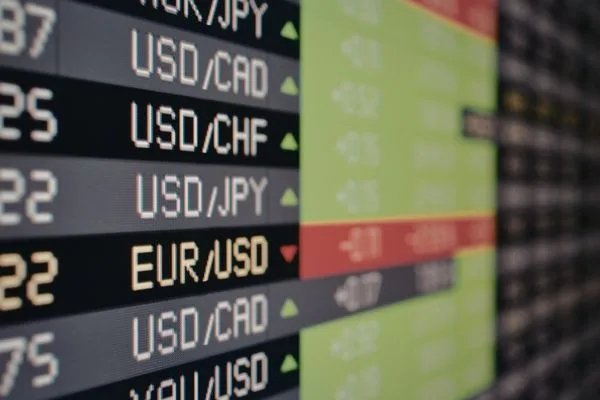
How Exchange Rate Movements Shape Timing Decisions
Exchange rate trends reflect how global currencies gain or lose value over time, influencing when customers decide to act. These changes are driven by market activity, economic conditions, and demand for specific currencies. For individuals preparing for international travel or managing foreign expenses, recognizing these patterns helps reduce uncertainty. Rather than reacting to sudden changes, customers may consider observing trends and planning exchanges during more stable periods when possible.
Monitoring Daily And Short-Term Rate Changes
Currency exchange timing often begins with tracking short-term rate movements to better understand exchange rate timing strategies and how rates change over time. Small daily shifts can affect how much foreign cash a customer receives when converting funds. Watching these changes helps individuals avoid exchanging during sudden unfavorable swings.
Customers preparing for travel or payments often check rates over several days before acting. This helps them evaluate the best time to exchange currency based on current trends. This approach can help individuals compare values and reduce rushed decisions. While predicting exact outcomes remains difficult, consistent monitoring supports informed timing and helps customers avoid making rushed conversion decisions. Public data such as the Federal Reserve H.10 exchange rate reports can provide helpful context when reviewing recent currency movements.
Understanding Seasonal And Travel-Driven Demand
Currency exchange trends often shift during peak travel seasons when demand for foreign cash increases across popular destinations. Higher demand can influence rates and availability, especially for commonly exchanged currencies. Travelers who plan ahead can avoid last-minute conversions during these periods.
For example, exchanging currency before peak holiday travel can provide more flexibility and reduce pressure. Customers preparing for international travel benefit from recognizing how timing aligns with broader demand patterns. This awareness supports smoother planning and helps ensure access to needed denominations when traveling abroad.
Evaluating Economic And Global Influences
Currency exchange decisions are influenced by broader economic conditions such as inflation, interest rates, and global market stability. These factors can cause currencies to strengthen or weaken over time, impacting conversion value. Understanding these influences helps customers interpret rate changes more clearly.
Rather than relying on speculation, individuals may consider focusing on practical timing strategies. Observing general trends instead of reacting to sudden headlines supports more stable decision-making. Government resources such as the U.S. Treasury exchange rate analysis provide general context on how currency values are evaluated within global markets.
For example, if the U.S. dollar weakens against the Mexican peso, customers may receive fewer pesos for the same dollar amount compared with earlier exchange periods.
Using Rate Awareness For Practical Planning
Customers can use exchange rate awareness to plan conversions in a structured and practical way. Instead of waiting for perfect conditions, many choose to exchange funds in portions over time. This approach reduces the impact of sudden fluctuations and supports balanced decision-making.
Common planning steps include:
- Checking exchange rates periodically before travel or payments
- Splitting larger exchanges into smaller transactions when appropriate
- Confirming currency availability with a licensed provider
- Allowing extra time to avoid rushed last-minute conversions
These practices help individuals convert cash securely while maintaining flexibility and control over timing decisions.

Practical Strategies For Timing Currency Exchange Transactions
Applying exchange trend awareness requires practical strategies that align with real-world needs such as travel, remittances, or overseas expenses. Customers benefit from balancing timing considerations with convenience, access, and compliance requirements. By combining preparation with realistic expectations, individuals can approach transactions with greater confidence and avoid unnecessary delays.
Planning Ahead For International Travel Needs
Currency exchange planning works best when customers prepare before departure rather than waiting until the last moment. Early preparation allows individuals to review exchange rate fluctuations and evaluate when to convert foreign currency based on practical travel or payment needs. This reduces reliance on limited or rushed options.
Travelers often benefit from combining preparation with guidance from reliable resources and understanding available ways to exchange foreign cash before traveling. Planning ahead supports better access to appropriate denominations and helps avoid delays when arriving at a destination.
Timing Exchanges For Overseas Payments Or Expenses
Currency exchange timing also matters when handling overseas obligations such as tuition, family support, or travel-related costs. Converting funds too early or too late can affect the total value received. Customers benefit from aligning exchange timing with when funds are actually needed.
This approach reduces exposure to unnecessary fluctuations and supports more predictable outcomes. Individuals sending funds abroad should also confirm recipient needs and timing expectations. Money services businesses are subject to federal regulatory frameworks such as those administered by FinCEN and outlined in anti-money laundering laws. These frameworks define compliance obligations for financial institutions.
Choosing Between Immediate And Delayed Conversion
Currency exchange decisions often involve choosing between immediate conversion for certainty or delayed conversion for potential rate improvement. Each option carries trade-offs depending on urgency and risk tolerance. Customers benefit from understanding both approaches before deciding.
Immediate conversion works well for fixed travel dates or urgent expenses. Delayed conversion may suit flexible plans where timing allows for monitoring trends. Transactions are subject to established regulatory and procedural requirements regardless of timing.
Managing Risk When Rates Fluctuate Frequently
Managing frequent exchange rate changes requires a balanced approach that avoids overreacting to short-term volatility. Many customers also review foreign exchange timing tips before converting larger amounts. Currency exchange timing should focus on practical needs rather than attempting to predict exact market movements. This helps reduce stress and supports consistent decision-making.
Customers can manage risk by:
- Setting a target rate range before converting funds
- Avoiding last-minute exchanges during urgent situations
- Confirming transaction details carefully before completion
- Using licensed providers that operate within regulated financial service environments
These steps support responsible financial decisions while ensuring customers convert cash safely within a structured and compliant environment.
Conclusion
Currency exchange trends play a meaningful role in determining when customers choose to convert funds for travel, payments, or international needs. By understanding how exchange rate fluctuations, seasonal demand, and economic factors influence timing, individuals can make more informed decisions. Practical strategies such as monitoring rates, planning ahead, and balancing timing with urgency help reduce uncertainty and improve outcomes.
Currency exchange operates within regulated financial service frameworks that establish requirements for verification, documentation, and transaction handling. Money Services Businesses are subject to these regulatory standards. By combining awareness with preparation, customers can navigate exchange timing more confidently and complete transactions with clear expectations.
Customers may visit a nearby licensed currency exchange provider to review available exchange options and current rates before completing a transaction.
These are general considerations, not individualized recommendations.
Educational Disclaimer:
This content is provided for general informational purposes only and does not constitute legal, financial, or regulatory advice.
Frequently Asked Questions
When should customers convert foreign currency for better timing?
The best time depends on monitoring trends, planning ahead, and avoiding last-minute exchanges during unfavorable rate fluctuations.
Do exchange rates change throughout the day?
Yes, exchange rates can shift frequently based on market activity, demand, and global economic conditions affecting currency values.
Should I exchange money before or after traveling?
Exchanging before travel often provides more control, while timing depends on destination access and current exchange rate conditions.
How do exchange rate trends affect travel budgets?
Rate changes directly impact how much foreign currency you receive, influencing overall spending power during international travel.
How can customers reduce the impact of exchange rate fluctuations?
You cannot fully avoid fluctuations, but planning ahead and monitoring trends helps reduce the impact on conversion value.

Alvin is a Content and SEO Specialist who creates clear and helpful content about money transfers and payment systems. He focuses on making complex topics easy to understand so readers can learn how these services work in everyday situations.