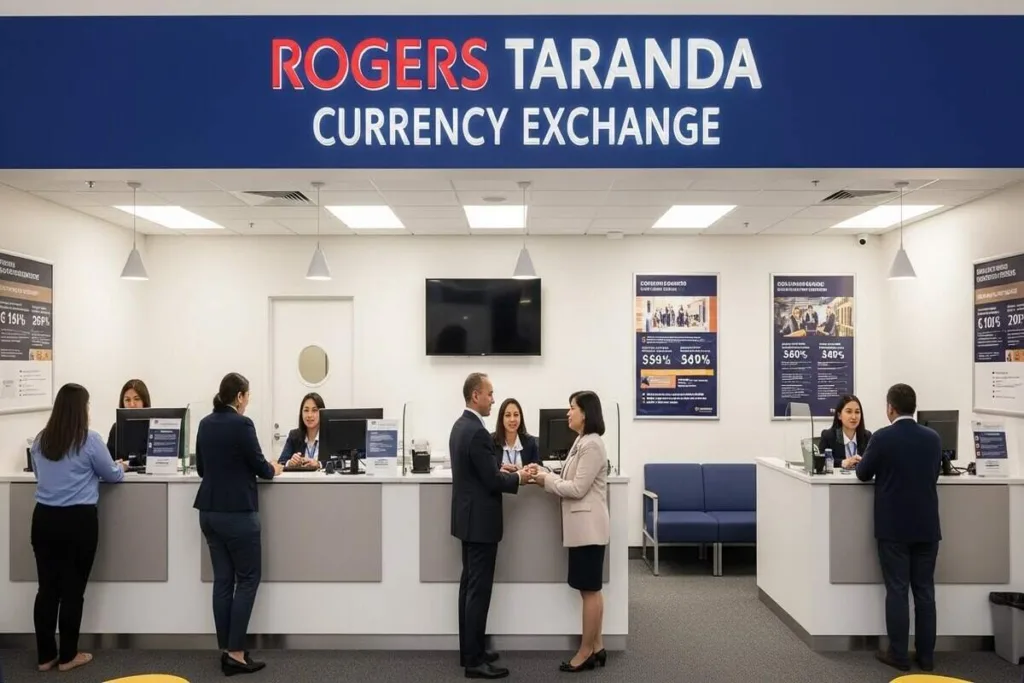
Consumers use currency exchange services when preparing for international travel, overseas celebrations, destination events, cross-border purchases, or other situations that require foreign cash or converted funds. These services help individuals manage travel-related expenses, international event payments, and temporary spending needs in another country through regulated financial providers.
Requirements, exchange availability, and transaction procedures may vary depending on the provider, jurisdiction, transaction characteristics, and applicable regulations. Consumers seeking broader educational information may also review this retail currency exchange services guide to better understand how currency exchange services operate within regulated financial environments.

Common Special Occasions That May Require Currency Exchange
Special occasions often involve travel, international payments, or temporary spending needs in another country. In these situations, consumers may use currency exchange services to obtain local cash before departure or after arrival. Understanding why currency exchange becomes necessary can help individuals prepare more effectively for international expenses.
Exchange rates are not guaranteed and may vary until the transaction is completed. Reviewing rates, available currencies, and provider policies before exchanging funds can help consumers better understand how much foreign currency they may receive. Publicly available Federal Reserve H.10 exchange rate data may also provide general context about currency valuation movements and exchange rate activity.
Preparing For International Weddings And Celebrations
International weddings, anniversaries, and destination celebrations frequently create a need for currency exchange. Travelers may need foreign cash for transportation, dining, local vendors, or ceremonial expenses that may not accept digital payments.
Consumers preparing for these events often exchange currency before traveling to reduce delays after arrival. Depending on the provider, identification requirements may vary based on transaction characteristics, destination, service type, and applicable laws or regulations. Consumers may be asked to provide accurate information when completing certain transactions.
Managing Currency Exchange For Overseas Family Events
Family emergencies, reunions, graduations, or milestone celebrations abroad may require individuals to convert dollars to pesos, euros, or other currencies quickly. Currency exchange services can help consumers access usable foreign cash when timing matters and banking access may be limited.
These situations often involve practical considerations such as:
- Availability of the destination currency
- Timing of travel or overseas payments
- Differences between exchange rates offered by providers
- Whether cash or digital payment methods will be accepted abroad
Reviewing these factors in advance may support smoother travel planning and reduce confusion during urgent situations. Publicly available U.S. Treasury resources may provide general educational context about international currency valuation trends and exchange rate activity.
Using Currency Exchange During Religious Or Cultural Travel
Consumers attending pilgrimages, cultural festivals, or international community gatherings often use currency exchange to prepare for travel-related expenses. Local cash may be necessary for transportation, lodging, market purchases, or small transactions in areas where international cards are not widely accepted.
Some travelers may choose to exchange a portion of their funds before departure and convert additional amounts later depending on travel conditions and exchange rate fluctuations. Monitoring rate changes over several days may help consumers understand how pricing shifts before completing a transaction.
Converting Funds For International Gift Purchases
Currency exchange may also support international purchases connected to weddings, holidays, family celebrations, or other special occasions abroad. Consumers sometimes exchange foreign currency when preparing to pay overseas vendors, purchase gifts during travel, or manage event-related expenses in another country.
Before completing a transaction, customers may benefit from reviewing available exchange options, comparing exchange rate differences, and confirming how funds will be used during travel or international spending activities. Exchange rates are not guaranteed and may vary until the transaction is completed.
Consumers looking for broader educational information about available currency exchange and related financial services may also review additional resources discussing international transactions and financial service regulations.

What Consumers Should Understand Before Exchanging Currency
Before using currency exchange services for a special occasion, consumers benefit from understanding how providers review transactions, apply exchange rates, and follow compliance obligations. Currency exchange operates within regulated financial frameworks designed to support transparency, lawful activity, and transaction accuracy.
Financial institutions and currency exchange providers may operate under applicable AML, sanctions, and transaction monitoring regulations. Publicly available guidance from agencies such as OFAC and FinCEN compliance guidance and educational resources may provide additional educational information about financial compliance requirements.
Reviewing Exchange Rates Before Important Events
Exchange rates can change frequently due to global economic conditions, currency demand, and market activity. Consumers preparing for overseas celebrations or travel may consider monitoring rates before exchanging larger amounts of money.
Retail exchange providers often apply their own pricing structures and operational margins. As a result, the rate displayed online may differ from the rate available during the transaction. Reviewing disclosed pricing carefully can help consumers understand the total conversion value before proceeding.
Choosing Between Cash And Digital Exchange Methods
Consumers preparing for special occasions may choose between physical cash exchange and digital conversion options depending on travel needs and destination access. Cash exchanges provide immediate access to local currency, while digital methods may support electronic payments or account-based transactions.
Several practical factors may influence this decision:
- Whether the destination relies heavily on cash transactions
- Access to local banking or digital payment systems
- Travel timing and convenience needs
- Provider-specific verification requirements
Different providers may support different currencies, transaction methods, and service options depending on their services and applicable regulations. Additional FDIC consumer financial education resources may also provide broader context about financial planning and transaction awareness.
Understanding Identification And Verification Procedures
Currency exchange providers may request identification when required under applicable legal or regulatory frameworks. Verification procedures are generally determined by the provider based on transaction characteristics, service type, jurisdiction, and internal compliance obligations.
Verification requirements are generally determined by applicable laws, transaction characteristics, provider procedures, and risk-based review practices. These processes are designed to support lawful financial activity, maintain accurate records, and help providers comply with AML and BSA-related obligations. Not all transactions require identification, and acceptable documentation may vary depending on the provider and applicable requirements.
Selecting A Licensed Currency Exchange Provider
Consumers preparing for international occasions may consider whether a currency exchange provider is licensed or registered where required by applicable law. Established providers may offer clearer transaction records, transparent pricing disclosures, and structured customer support.
In some cases, consumers may review Order Express branch locations and service availability when researching currency exchange providers. Working with regulated providers can help support transparent transaction handling and informed financial decision-making.
Conclusion
Currency exchange services are commonly used for weddings, family events, international celebrations, cultural travel, and overseas purchases connected to special occasions. Preparing in advance helps consumers understand exchange rate differences, choose appropriate conversion methods, and anticipate potential verification requirements. Awareness of provider policies, exchange timing, and compliance-related procedures may also help reduce delays and confusion before international travel or event-related spending.
Because currency exchange services may be subject to financial regulations, consumers may benefit from reviewing provider disclosures, transaction terms, and available service information before exchanging funds. Understanding how these services work supports informed decisions when converting funds for legitimate international needs.
Consumers may review available exchange options, provider requirements, and applicable transaction terms before converting funds.
This content is provided for general informational purposes only and does not constitute legal, financial, or regulatory advice.
Frequently Asked Questions
When do consumers typically use currency exchange for special occasions?
Consumers often use currency exchange when preparing for international travel, overseas celebrations, family events, or foreign purchases.
Can exchange rates change before a transaction is completed?
Yes, exchange rates are not guaranteed and may fluctuate until the transaction is finalized.
Do currency exchange providers always require identification?
Identification requirements may vary depending on transaction characteristics, provider policies, and applicable legal or regulatory requirements.
Why do travelers exchange currency before attending events abroad?
Many travelers exchange currency in advance to prepare for transportation, meals, and other immediate travel-related expenses.
Are currency exchange providers subject to financial regulations?
Many providers operate as Money Services Businesses subject to applicable federal and state compliance, monitoring, and recordkeeping requirements.

Alvin is a Content and SEO Specialist who creates clear and helpful content about money transfers and payment systems. He focuses on making complex topics easy to understand so readers can learn how these services work in everyday situations.