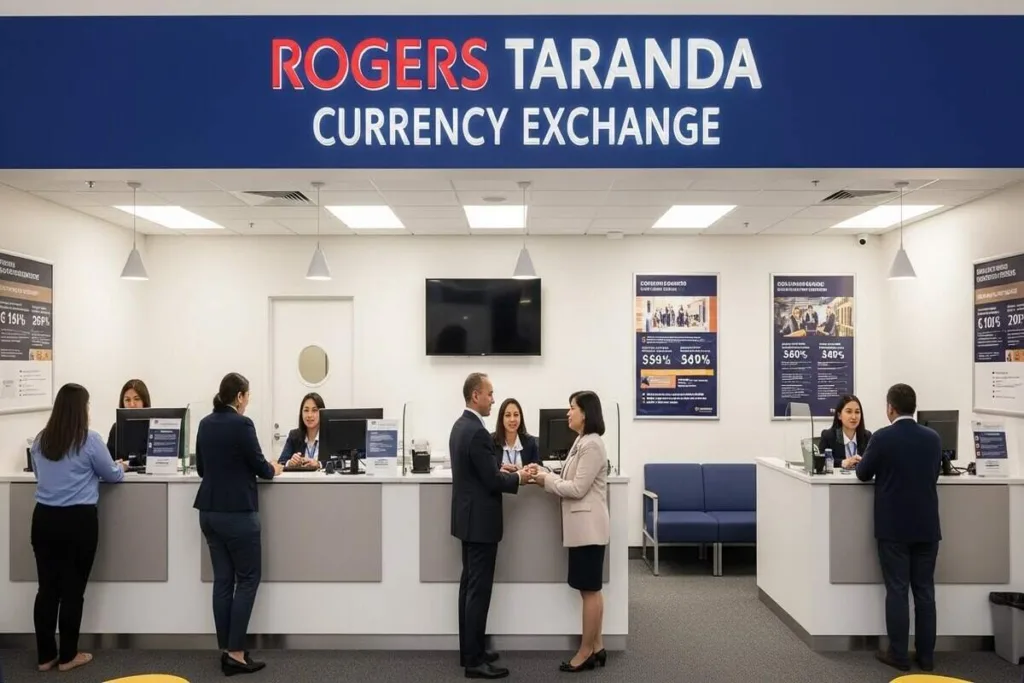
Currency exchange allows individuals to convert foreign cash for travel, overseas obligations, relocation, or other international financial needs. People may exchange funds while preparing for education abroad, managing foreign earnings, or organizing future international expenses as part of their broader financial preparation and budgeting for international activities. Requirements, transaction outcomes, and documentation expectations may vary depending on provider policies, jurisdiction, transaction characteristics, and applicable legal or regulatory requirements.
Licensed currency exchange providers may operate within regulated financial frameworks that support lawful financial activity, transaction transparency, and recordkeeping obligations. Regulatory requirements and operational procedures may vary depending on the provider, jurisdiction, and transaction type. Additional background on how retail currency exchange services are commonly used may provide broader context for these types of financial transactions.
For many individuals, currency exchange is less about predicting future exchange rate movements and more about preparing for known international expenses. Whether planning travel, education, relocation, or managing foreign income, exchanging currency may help support practical budgeting and access to usable funds when international payments become necessary.

Understanding Why Currency Exchange May Support International Financial Preparation
People may use currency exchange as part of broader financial preparation when future obligations involve another country or foreign currency. In many situations, individuals are not attempting to predict markets or maximize returns. Instead, they may simply want access to usable funds before international expenses arise. Currency exchange can help support organized planning for travel, relocation, education, or cross-border family responsibilities.
Exchange activity may also reflect practical timing considerations. Some individuals choose to convert funds gradually when preparing for overseas spending, while others exchange foreign cash after returning from international travel. Exchange rates are not guaranteed and may vary until the transaction is completed, so reviewing available rates and transaction details before proceeding can help customers understand the transaction clearly. General foreign exchange rate reference information is publicly available through the Federal Reserve H.10 exchange rate data.
Preparing For International Travel Expenses
Travel planning is one of the most common situations where currency exchange may support savings-related goals. Individuals preparing for international travel sometimes exchange foreign currency in advance to help manage transportation, lodging, meals, or day-to-day spending abroad.
Travelers may consider several practical factors before exchanging currency:
- Whether the destination relies heavily on cash transactions
- The availability of local banking or payment services overseas
- Exchange rate fluctuations that may affect spending expectations
- Access to licensed exchange providers before departure
Preparing ahead may help reduce uncertainty during travel and provide access to usable cash immediately upon arrival.
Managing Foreign Currency From Overseas Income
Some individuals receive foreign cash or overseas payments connected to freelance work, temporary assignments, family support, or international business activity. Currency exchange may help convert those funds into local currency for budgeting, household expenses, or future international financial needs.
Licensed providers may review the condition, type, and eligibility of foreign banknotes before completing a transaction. Depending on the provider, transaction type, or applicable legal requirements, customers may also be asked to provide identifying or transaction-related information before a transaction can be processed. Some transactions may be subject to regulatory recordkeeping or reporting obligations under applicable laws. General information about financial institution compliance frameworks is available through the FinCEN AML Act overview.
Converting Funds For Overseas Education Or Relocation
Students, temporary workers, and relocating families may use currency exchange while preparing for expenses connected to living abroad. Tuition payments, housing deposits, transportation costs, and local spending needs may require access to foreign currency before departure.
In these situations, customers often review exchange timing carefully because exchange rate differences may affect how much foreign currency is ultimately received. Some individuals may convert dollars to pesos, euros, or other currencies gradually over time to align with upcoming expenses and budgeting plans.
Customers preparing for international financial responsibilities may also benefit from understanding how related financial services and exchange processes support everyday cross-border needs.
Exchanging Leftover Currency After International Travel
Currency exchange is also commonly used after international travel when individuals return home with unused foreign cash. Holding small amounts of foreign currency may not always be practical for future use, especially if additional international travel is not planned soon.
Providers typically review whether bills remain in circulation and are in acceptable condition before processing an exchange. Acceptance standards may vary depending on the provider, currency type, denomination, and operational requirements. Customers who buy and sell currency after travel may benefit from organizing foreign bills before visiting a licensed location. General information about service office locations and branch availability may provide additional context regarding in-person transaction access.

Important Factors Customers May Consider Before Exchanging Currency
Currency exchange involves more than simply converting one form of cash into another. Customers often benefit from understanding how verification practices, exchange rate movement, transaction timing, and provider procedures may affect the overall experience. These considerations help support informed decision-making while reinforcing that exchange services operate within regulated financial environments rather than informal cash transactions.
Licensed providers may apply compliance procedures intended to support lawful transactions and financial recordkeeping requirements. Verification practices vary according to transaction characteristics, provider policies, and applicable legal requirements, or applicable legal requirements, providers may request identification or additional information before completing a transaction. Additional financial education resources related to regulated financial activity are available through the FDIC Money Smart program.
Understanding Exchange Rate Variability
Exchange rates constantly fluctuate based on market activity, currency demand, and broader economic conditions. Because of this, the amount received during a currency exchange transaction may differ from earlier estimates or previous exchanges.
Customers preparing for overseas expenses sometimes monitor rate changes before converting funds. However, exchange rates are not fixed or guaranteed, and providers determine final rates at the time the transaction is completed. Reviewing transaction details carefully before confirmation helps customers understand the final exchange outcome. General international valuation context is also discussed through the U.S. Treasury exchange rate analysis.
Why Licensed Providers Matter For Currency Exchange
Licensed currency exchange providers follow standardized procedures intended to support transparency, documentation accuracy, and regulatory compliance. These providers may operate as MSBs registered with FinCEN and are subject to applicable federal and state requirements.
Customers using regulated foreign currency exchange services may encounter verification, documentation, or review procedures depending on the provider and transaction type. These processes may vary based on applicable legal and regulatory obligations.
These safeguards are applied by the provider based on internal compliance programs and applicable law rather than customer preference.
Documentation And Verification Expectations
Identification requirements may vary depending on the transaction type, amount, jurisdiction, destination, or applicable legal and regulatory obligations. Not all transactions require identification, but providers may request documentation when necessary to support lawful processing and compliance procedures.
Customers should not assume that specific identification methods will always be accepted. Acceptance decisions are determined by the provider based on risk-based compliance procedures and applicable requirements. Providing accurate transaction information can help reduce delays and support smoother processing.
Choosing Between Different Exchange Methods
Customers preparing to exchange foreign currency may encounter several service options, including retail exchange locations, financial institutions, or digital exchange platforms. The appropriate method may depend on convenience, currency availability, transaction timing, or comfort with in-person versus digital services.
Some individuals prefer in-person currency exchange because it allows direct review of transaction details and immediate access to exchanged funds. Others may use account-based or digital tools when permitted under applicable provider requirements. Regardless of the method selected, customers may benefit from reviewing fees, documentation expectations, and exchange availability before proceeding.
Finding Licensed Currency Exchange Services Near You
Customers preparing for international travel or overseas expenses often compare nearby currency exchange providers based on available currencies, operating hours, documentation requirements, and transaction convenience. Choosing a licensed provider helps customers understand applicable procedures while providing access to regulated currency exchange services. Branch availability, supported currencies, and service options may differ depending on the location.
Customers often compare provider experience, transparency, available currencies, and service accessibility before completing foreign currency transactions. Reviewing publicly available service information, operating hours, and provider requirements in advance may help customers choose a location that best fits their international currency exchange needs.
Conclusion
Currency exchange may support savings-related planning when individuals prepare for international travel, overseas education, relocation, or future foreign expenses. It can also help people convert unused foreign cash or manage overseas funds within a regulated financial environment. Understanding exchange rates, provider procedures, and documentation expectations helps customers approach transactions with realistic expectations and informed awareness.
Licensed providers follow established operational procedures intended to process foreign currency accurately while meeting applicable regulatory responsibilities. Because exchange rates, acceptance standards, and verification practices may vary, preparation and clear understanding remain important before completing a transaction. Customers who approach currency exchange thoughtfully may be better prepared to manage international financial needs responsibly.
Customers may wish to review whether a currency exchange provider is appropriately licensed or registered before completing foreign currency transactions.
References to public regulatory or educational resources are included for general informational context only
This content is provided for general informational purposes only and does not constitute legal, financial, investment, tax, or regulatory advice. Individual circumstances vary, and customers should consult qualified professionals regarding personal financial, legal, or tax matters when appropriate.
Frequently Asked Questions
Can currency exchange help prepare for future travel expenses?
Yes, some individuals exchange foreign currency before travel to help manage expected overseas spending needs.
Do exchange rates stay the same throughout the day?
No, exchange rates may fluctuate and are generally confirmed at the time the transaction is completed.
Can leftover foreign cash be exchanged after returning from travel?
Yes, licensed providers may exchange eligible foreign banknotes that remain in circulation and meet provider standards.
Is identification always required during currency exchange transactions?
Identification may be required depending on the transaction type, amount, provider policies, and applicable legal or regulatory requirements.
Why do licensed providers apply verification procedures during currency exchange?
Verification procedures help providers support compliance with applicable financial regulations and maintain accurate transaction records.
Can customers exchange foreign currency before traveling abroad?
Yes. Some individuals obtain foreign currency before departure so they have access to local cash immediately after arriving at their destination. Currency availability and exchange options vary by provider.
Can all foreign banknotes be exchanged?
Not always. Acceptance depends on the currency, denomination, physical condition of the banknotes, provider policies, and applicable operational requirements.
How can customers prepare before visiting a currency exchange provider?
Customers may benefit from reviewing exchange rates, confirming available currencies, organizing banknotes, and checking whether documentation may be required before visiting a licensed provider.

Alvin is a Content and SEO Specialist who creates clear and helpful content about money transfers and payment systems. He focuses on making complex topics easy to understand so readers can learn how these services work in everyday situations.