Currency inventory varies by location and demand because supply depends on branch logistics and customer transaction volume.
Exchange locations adjust inventory based on regional travel patterns, remittance activity and operational considerations.
Direct Answer: Currency availability depends primarily on local branch inventory planning and the volume of customer demand in that area. Locations serving higher international travel or remittance activity may stock certain currencies more consistently, while lower-demand areas may require advance notice.
Understanding these factors helps customers prepare before visiting a branch. Some exchanges require identity verification based on transaction details, regulations and company policies.
For broader guidance on comparing exchange locations and understanding general rate differences, see our guide, Currency Exchange Near Me: Find Locations And Compare Rates.

Location-Based Inventory Planning Influences Currency Stock Levels
Currency exchange providers allocate inventory based on regional transaction trends and operational forecasting models.
Branch-level decisions reflect travel corridors, demographic patterns and historical transaction data.
High-Traffic Urban Areas Tend To Stock Broader Currency Options
Urban branches often experience higher demand for diverse currencies due to travel and business activity.
Locations near airports and business districts often stock more currencies because demand is higher.
Customers seeking commonly exchanged currencies such as Mexican pesos or euros may find stronger availability in these markets. According to Federal Reserve H.10 exchange rate data, currency values fluctuate regularly, which can also influence when and where customers choose to exchange funds.
However, availability may still vary based on seasonal travel patterns and shifting remittance flows.
Smaller Or Rural Locations May Carry Limited Currency Inventory
Smaller branches often stock fewer currencies because local demand is lower. These locations may prioritize currencies with consistent local demand rather than stocking wide international selections.
If you live outside a major metro area, calling ahead can help confirm availability before visiting. You can use Order Express contact information to verify currency stock or ask about advance coordination. Order Express encourages customers to verify currency stock in advance when planning significant exchange transactions.
Internal Logistics And Secure Handling Affect Restocking Timing
Currency shipments follow secure operational procedures that support safe handling and inventory management.
Delivery schedules depend on armored transport coordination, branch capacity and anticipated exchange volume. Because physical currency must move through controlled supply channels, immediate restocking may not occur the same day.
Customers preparing for larger exchanges may benefit from scheduling transactions ahead of planned travel.
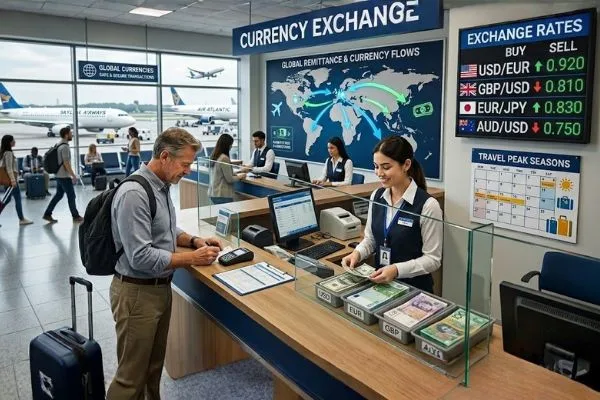
Demand Fluctuations Directly Affect Short-Term Currency Availability
Daily and seasonal demand changes can temporarily influence which currencies remain available at specific locations.
Customer demand can quickly change branch inventory.
Seasonal Travel And Remittance Trends Increase Certain Currency Demand
Travel seasons often drive increased demand for specific international currencies in concentrated geographic areas.
For example, summer travel may increase demand for European currencies in metropolitan branches. Broader exchange rate trends, as outlined in U.S. Treasury exchange rate policy guidance, can shape overall currency market conditions that influence customer timing.
Similarly, holiday remittance periods can raise demand for currencies commonly used in cross-border money transfers. Customers coordinating exchanges alongside Order Express money transfer services should consider how seasonal transfer volume may affect local currency availability. When demand spikes quickly, branch inventory may adjust based on transaction volume.
Large Individual Transactions May Temporarily Reduce On-Hand Supply
Significant customer exchanges can affect branch inventory for a specific currency within a short timeframe. Unlike digital transfers, currency exchange requires physical notes to be available at the location.
For example, one substantial transaction may reduce the supply of a particular denomination temporarily.
Customers planning larger exchanges should contact the branch before visiting to discuss possible availability. Consumer education resources such as the FDIC Money Smart program encourage advance financial planning to help individuals manage transaction timing effectively.
Exchange Rate Movement Can Influence Customer Behavior
Exchange rate variability often influences when customers choose to complete currency transactions. When rates shift, customers may accelerate transactions, increasing localized demand. Higher demand can temporarily reduce available inventory until branches restock.
Transparent rate displays and fee disclosures help customers evaluate timing before completing transactions, and the Consumer Financial Protection Bureau sending money guidance outlines how consumers can review costs and disclosures when transferring funds internationally.
Order Express provides exchange rates and applicable disclosures before customers complete eligible transactions. As described on the Order Express company background, the company operates as a licensed Money Services Business within the regulated financial services industry.
Federal oversight of Money Services Businesses is administered by agencies such as the Financial Crimes Enforcement Network, which supervises compliance requirements for financial institutions under federal law.
Customers using currency exchange alongside money transfer or money order services should recognize that each service affects branch cash flow differently.
Understanding how demand and location interact helps customers prepare effectively before visiting a branch.
Key Takeaways
- Currency availability depends primarily on branch inventory planning and localized customer demand patterns.
- Urban locations typically maintain broader currency selections due to higher travel and remittance activity.
- Seasonal demand spikes and large transactions can temporarily reduce specific currency supplies.
- Advance planning and contacting your local branch may help support smoother currency exchange transactions.
Frequently Asked Questions
Q: Why Does One Location Have A Currency That Another Location Does Not?
A: Each branch manages inventory based on local demand patterns, transaction volume and logistical planning considerations.
Q: Can I Request A Specific Currency If It Is Not Available Today?
A: Some locations may arrange future availability with advance notice, depending on inventory and operational considerations.
Q: Does High Demand Affect Exchange Rates?
A: Exchange rates reflect broader market factors, though increased customer demand may influence transaction timing decisions.
Q: Are Popular Currencies More Likely To Be In Stock?
A: Currencies with consistent regional demand are typically stocked more regularly than rarely requested currencies.
Q: Should I Call Ahead Before Exchanging A Large Amount?
A: Yes, contacting your branch beforehand may help confirm availability and support smoother transaction preparation.
Conclusion
Currency availability varies by location and demand because each branch manages inventory based on regional activity and transaction volume. Urban markets with steady travel and remittance flows often maintain broader selections, while smaller locations may focus on consistent local demand.
Short-term fluctuations, including seasonal travel and large exchanges, can temporarily affect supply. Customers preparing for currency exchange, money transfer or money order services benefit from verifying availability before visiting a branch. Understanding these factors helps customers prepare before visiting a branch. Order Express operates as a registered Money Services Business and complies with applicable regulatory requirements.
Contact your preferred location before visiting to confirm currency availability and current transaction requirements.
Disclaimer: This content is for informational purposes only and does not constitute financial advice. Exchange rates, fees, availability and verification requirements may vary by provider, transaction type and location.

John is a Content & SEO Specialist who enjoys breaking down complex financial topics, like cross-border payments and money transfers, into content that’s easy to understand. He focuses on creating practical, search-driven content that helps people find answers and make informed decisions.