


Check cashing rules explain why financial institutions reject certain checks. A check may be declined if the amount is too large, identification is missing, the check is not issued to the presenter, or the check is stale.
Federal law (31 CFR 1010.311) requires reporting when cash transactions exceed $10,000 in one business day.
According to Order Express policy, identification is required at $3,000 per transaction in most states, $5,000 in weekly totals, and $1,000 in Arizona, Oklahoma, or for Treasury checks in Louisiana.
Understanding these rules helps customers avoid delays, reduce frustration, and remain compliant.

Common Reasons For Declined Check Cashing
Not every check is guaranteed to clear at the counter. Financial institutions and service providers follow strict rules when approving check cashing requests. Federal regulations, anti-fraud safeguards, and each company’s internal policies all shape these decisions. As a result, some checks cannot be cashed on the spot.
Understanding these conditions helps set realistic expectations. A check may be rejected because of its size, missing identification, expired dates, or account restrictions. By knowing the most common reasons in advance, you can take steps to avoid problems, reduce delays, and make your check cashing experience smoother and more predictable.
The check amount is too large
Large checks may be declined if the location cannot release full funds immediately.
Under federal law (31 CFR 1010.311), a Currency Transaction Report must be filed for cash transactions that exceed $10,000 in one business day.
According to Order Express policy, identification is required when a single check cashing transaction reaches $3,000 or more in most states, or when weekly totals reach $5,000. In Arizona and Oklahoma, the limit is $1,000 within 24 to 48 hours, and in Louisiana, U.S. Treasury checks of $1,000 or more require verification.
Customers should confirm these limits before presenting large checks to avoid processing delays.
You do not have an account with the institution
Many institutions may reject check cashing if you are not their customer. Without an active account, refusal or added fees are common. The simplest solution is to cash the check where it was issued or use a branch where you already maintain an account. This direct approach reduces complications and helps ensure faster service.
Federal rules and company policies must be reviewed separately.
Federal law (31 CFR 1020.220) establishes customer identification program requirements and reporting for cash transactions exceeding $10,000.
According to Order Express policy, identification is required at $3,000 per transaction in most states, or $5,000 per week. In Arizona and Oklahoma, the threshold is $1,000 within 24 to 48 hours, and in Louisiana, U.S. Treasury checks of $1,000 or more require verification.
Understanding both requirements helps customers avoid delays.
You lack proper identification
Government-issued identification is a non-negotiable requirement for most check cashing transactions. Financial institutions follow federal regulations that demand clear proof of identity before releasing funds. Acceptable documents vary by state, but the purpose is the same: to verify the customer and prevent fraud. Without valid identification, the transaction will not proceed.
Here are the most common forms of identification you can present:
- Driver’s license
- Passport
- Consular card
- Other state-approved government-issued IDs
Always check the expiration date before visiting, as expired IDs are rejected. Some providers may also require secondary documents for added security. This safeguard ensures compliance and protects both customers and institutions from fraudulent activity. For added convenience, keep your identification updated and stored safely so it is ready whenever needed. By preparing ahead, you minimize delays and improve your chances of completing transactions smoothly while meeting both federal requirements and Order Express identification policies.
The check is not issued to you
Checks not written directly to you often face stricter rules, especially in check cashing transactions. When a check is payable to a business, institutions usually require proof of registration and may also request that the business maintain a separate account. These steps help confirm ownership and reduce potential misuse.
Here are the main reasons such checks face rejection:
- Business checks often require valid state registration
- Many providers request a dedicated business account
- Third-party checks carry higher fraud risks
- Providers may decline transactions that cannot be verified
For businesses, preparing the right documents before attempting to cash a check saves time and prevents frustration. Individuals should avoid accepting third-party checks unless absolutely necessary, since many providers will not honor them. By understanding these rules, customers protect themselves from delays and possible financial loss while ensuring smoother, more reliable transactions.
The issuer requested a hold
Financial institutions can legally refuse a postdated check until the date shown on the document. Issuers may also request a stop payment or hold if they are uncertain about available funds. These steps follow consumer protection standards under federal banking guidance.
According to Order Express policy, separate internal procedures determine how and when transactions proceed. Understanding the difference between federal rules and company policies helps customers avoid confusion and delays.
The check is stale or expired
Stale checks are a common reason for declined check cashing. Most checks expire after 90 to 180 days, and institutions usually reject them to reduce fraud or payment risk. Customers often assume old checks are still valid, but presenting one can cause delays or outright refusal.
The best action is to verify with the check writer before attempting to cash it. Many issuers will reissue an expired check upon request, ensuring the funds remain accessible. By confirming dates early and understanding expiration rules, you can avoid frustration and keep your check cashing transactions quick, compliant, and problem-free.
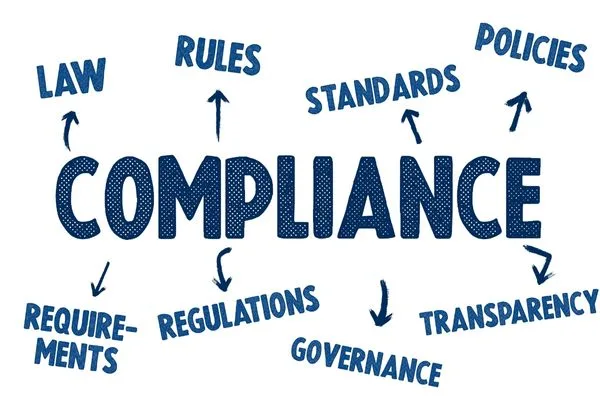
How Compliance Rules Affect Check Cashing
Federal and company rules both affect whether a check is accepted, but they function independently.
Under federal law (31 CFR 1010), financial institutions must report cash transactions over $10,000, retain certain records for five years, and file suspicious activity reports when transactions appear unusual.
According to Order Express policy, identification is required at $3,000 per transaction, with additional verification rules depending on state regulations. These internal standards are separate from federal law but support similar compliance goals.
Reporting thresholds
Federal regulations require financial institutions to file a currency transaction report for any cash transaction over $10,000. This requirement is uniform and applies to all institutions.
Order Express sets separate internal limits for check cashing. Identification is required when a single transaction reaches $3,000 or more in most states, or when weekly totals reach $5,000. In Arizona and Oklahoma, the threshold is $1,000 in a 24 to 48 hour period, and in Louisiana, U.S. Treasury checks of $1,000 or more require verification. These limits are company rules and operate independently of federal law.
Here are the most important points to remember:
- Federal rules mandate reports for cash transactions exceeding $10,000
- CTRs ensure compliance with banking laws
- Order Express applies stricter internal thresholds starting at $3,000
- State regulations may further influence identification and reporting requirements
Understanding both federal and company-specific rules helps customers avoid delays or confusion. Preparing the right identification and knowing the limits in advance ensures a smoother experience. For extra confidence, verify your state’s specific requirements before visiting a location. This preparation allows you to save time and manage transactions without unnecessary setbacks.
Customer identification rules
Federal customer identification program (CIP) rules require every institution to verify identity for certain transactions. This process protects the financial system by helping prevent fraud, money laundering, and other crimes. Customers must present valid, government-issued identification to meet these federal standards before a transaction can be approved (CFPB identity verification guidance).
Order Express follows its own internal procedures for check cashing that are entirely separate from federal CIP rules. These policies require specific forms of identification depending on transaction size and location. By maintaining additional safeguards, Order Express ensures compliance with oversight requirements while protecting both customers and the integrity of its services.
Suspicious activity monitoring
Financial institutions must file suspicious activity reports when transactions appear unusual, such as structuring or altered checks. For industry standards, see the FinCEN SAR filing requirements for MSBs. Institutions may refuse to cash a check if activity seems suspicious, even if the amount is small.
Record retention requirements
Federal law (31 CFR 1010.410) requires financial institutions to retain check cashing and related transaction records for five years. These records support investigations and ensure regulatory compliance.
According to Order Express policy, separate record retention procedures apply to meet examination standards and internal reviews. Incomplete or expired documentation may result in declined transactions. Clear records help both federal compliance and company documentation programs operate effectively.
Conclusion
Check cashing can seem complex, but the rules are designed to protect both customers and the financial system.
Federal law requires certain reporting and recordkeeping for large or suspicious transactions.
According to Order Express policy, separate limits and identification thresholds apply to ensure safe and consistent service.
Knowing these requirements before visiting helps prevent delays and ensures a smooth transaction. Always bring valid identification, verify check details, and confirm applicable limits to complete your transaction confidently.
FAQs
Why do banks reject large checks?
Institutions may lack cash on hand. Federal law also requires reporting for transactions over $10,000. Some providers set lower internal limits.
What ID do I need for check cashing?
Bring a valid government-issued ID such as a driver’s license, passport, or consular card. Expired IDs are not accepted.
Can I cash a check not made out to me?
No. Third-party checks and checks payable to another person or business are usually rejected to prevent fraud.
What makes a check stale?
Most checks expire after 90 to 180 days. If refused, ask the issuer to reissue the check.
How can I avoid delays in check cashing?
Follow three steps:
- Bring valid ID
- Verify check date and details
- Confirm the location’s cashing limits before visiting
Compliance Note: Reviewed against applicable policies and Federal BSA/AML rules (31 CFR 1010, FinCEN Guidance).

Alvin is a Content and SEO Specialist who creates clear and helpful content about money transfers and payment systems. He focuses on making complex topics easy to understand so readers can learn how these services work in everyday situations.


