


To get the best exchange rate for your money transfer, compare rates from multiple licensed providers, check total fees, and time your transaction for favorable market conditions. Even a small rate difference can significantly change the amount your recipient receives. Factors like inflation, interest rates, political events, and currency demand cause rates to fluctuate daily.
Choosing regulated services, such as Order Express, ensures transparent pricing, legal compliance, and secure processing under the Bank Secrecy Act (BSA) and anti–money laundering (AML) rules. Whether exchanging cash, sending funds online, or withdrawing abroad, understanding fees and timing helps you maximize value. This guide explains exchange rate basics, where to exchange currency, eight proven strategies to secure better rates, and the compliance rules that protect your transfer.
Understanding Exchange Rates in Money Transfers
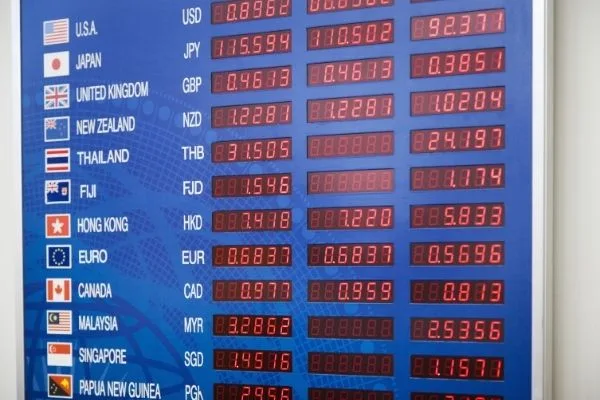
An exchange rate is the value of one currency compared to another. For example, if the U.S. dollar to Mexican peso rate is 1 USD = 16.5 MXN, then exchanging $100 will give you 1,650 pesos before fees. Exchange rates change continuously based on factors such as inflation, interest rates, international trade, political events, and market demand for currencies. Different providers may also offer slightly different rates for the same currency pair.
Licensed providers that offer money transfer services operate under strict regulatory guidelines. If you exchange or transfer currency over certain thresholds, you must present valid identification. Under Order Express policy, transactions of $1,000 or more in a 48-hour period for currency exchange require ID verification. For money transfers, ID is required when the total you send reaches $3,000 within any 48-hour period in most states. The threshold is $900 in Arizona and $1,000 in Oklahoma. These procedures help ensure compliance with federal and state laws and protect against fraud and illicit financial activity.
Where to Exchange Currency
Choosing the right location or service for currency exchange can affect both your rate and the fees you pay. Each option has pros and cons, and understanding these can help you choose the most suitable method.
Banks and Credit Unions
Banks and credit unions generally offer competitive rates and low fees, making them a good choice for many people. They are regulated, secure, and transparent in their pricing. However, they may have limited currency options, especially for less common currencies, and often require you to visit a branch during business hours. Order Express provides exchange and transfer services at company-owned locations that comply with BSA and AML requirements. Every transaction is processed under established record-keeping and reporting standards.
Retail Exchange Locations
Retail currency counters and kiosks are common in airports and tourist districts. These locations are convenient but often charge higher fees or offer less favorable rates due to high demand and their cost of operation. Because these outlets are usually designed for travelers who need cash urgently, they take advantage of convenience pricing. For the best value, plan ahead and use a regulated provider with check cashing and exchange services that have clear disclosures and competitive rates.
Online and Mobile Services
Many providers allow you to arrange a currency exchange or money transfer online or through a mobile app. With Order Express, you can begin your transaction online and complete it in person at a secure location. This provides flexibility and maintains compliance with all AML and Know Your Customer (KYC) rules. Always confirm that an online provider is licensed and meets the reporting and security standards required under federal and state laws.

Eight Tips to Secure the Best Exchange Rate
Improving the rate you receive takes some preparation and knowledge. The following strategies can help you minimize costs when you send money or exchange currency.
1. Compare Rates and Fees
Do not settle for the first rate you see. Compare rates from multiple licensed providers, including banks and authorized money services businesses. Consider the total cost, which includes the exchange rate and all applicable fees. At Order Express, we provide customers with full disclosure of rates and fees before a transaction is completed, as required under the Remittance Transfer Rule.
2. Use Trusted Online Tools
Currency converter tools can give you the current market rate for your currency pair. Order Express can provide rate information to help you understand market trends and plan your transaction. By tracking rates over time, you may identify patterns that help you decide when to exchange. Remember, even if you see a favorable rate, AML and KYC rules still apply for regulated transactions. For market updates, check reputable resources like FinTech Futures PayTech.
3. Understand the Fees
A low exchange rate is not necessarily a good deal if the service fees are high. Always request a complete breakdown of fees before proceeding. At Order Express, we provide receipts that show the exchange rate, all fees, and the final amount the recipient will receive. This transparency ensures you know exactly what you are paying for. For additional insights, you can explore money transfer fee comparisons.
4. Consider Online Money Transfers
Digital services can be quick, convenient, and sometimes offer competitive rates. At Order Express, all online-initiated transfers are subject to the same security, identification, and reporting standards as in-person transactions. Transactions above the reporting threshold require ID verification, and any transaction over $10,000 in cash in a single day will be reported through a Currency Transaction Report (CTR).
5. Time Your Exchange
Exchange rates can change by the minute. If you are not in a rush, monitor the market and act when rates are better than average. Waiting for a “perfect” rate can be risky, so focus on securing a rate that is favorable within your timeframe. Order Express can help you lock in a rate when initiating your transaction. You can also follow blockchain-based currency trend analyses to better understand market movements.
6. Use the Right Card Abroad
Some cards charge foreign transaction fees that can increase your overall cost. If you plan to make purchases abroad, look for cards that waive these fees. When given the option during payment, always choose to pay in the local currency to avoid unfavorable dynamic currency conversion rates. This approach is recommended in U.S. State Department travel tips.
7. Withdraw Local Currency from ATMs Wisely
Withdrawing cash from ATMs in your destination country can be cost-effective if you avoid high-fee machines. Choose ATMs located in bank branches rather than stand-alone machines in tourist areas. If possible, use vehicle and travel services to prepare for your trip and handle currency needs before you travel, reducing the need for frequent ATM withdrawals.
8. Stay Informed on Market News
Global events can influence exchange rates quickly. Economic reports, elections, and major political developments can all cause currencies to strengthen or weaken. Following reputable financial news sources can help you understand these trends. Order Express staff can also explain how such events might affect your transaction. For crypto-related influences, you can explore Chainalysis market reports.

Money Transfer Compliance Rules You Should Know
When you use a licensed provider like Order Express, your transactions are processed under strict legal and regulatory requirements designed to protect you and the financial system.
Customer Identification
Order Express requires valid government-issued identification for certain transaction amounts. For example, currency exchange transactions of $1,000 or more in 48 hours require ID. For money transfers, ID is required when the combined amount you send reaches $3,000 within any 48-hour period in most states. The threshold is $900 in Arizona and $1,000 in Oklahoma. Details on thresholds can be found in our guide to money transfer reporting rules.
Reporting Large Transactions
Cash transactions over $10,000 in one day require the filing of a CTR. This rule also applies if multiple smaller transactions on the same day add up to more than $10,000. Attempting to break transactions into smaller amounts to avoid reporting, known as structuring, is illegal and can lead to serious penalties. For official information, refer to the FinCEN guidance on reporting.
Suspicious Activity Reports
Order Express files SARs when there is reason to believe a transaction may involve illegal activity or has no clear lawful purpose. These reports are confidential and cannot be disclosed to the customer involved. Screening also involves checks against the OFAC sanctions list.
Record Keeping
All relevant transaction records are retained for at least five years in accordance with Bank Secrecy Act (BSA) and state requirements. This ensures documentation is available for regulatory review.
Sending Money Safely
- Why Compliance Matters in a Money Transfer: Compliance safeguards protect both the customer and the financial system from crime and fraud. Order Express verifies customer identity, monitors transactions for unusual patterns, and files required reports to FinCEN when thresholds are met. These measures ensure your funds are transferred securely and legally.
- How to Prepare for Your Transfer: Before visiting a location near you, bring valid ID and any supporting documents if your transaction amount requires them. Have the recipient’s full details ready, and make sure you understand the intended purpose of the transfer. After the transaction, review your receipt for the exchange rate, fees, and delivery date.
Conclusion
Securing the best exchange rate requires preparation, comparison, and a clear understanding of fees. By choosing licensed providers, monitoring market trends, and avoiding unnecessary costs, you can maximize the value of your money transfer. At Order Express, we combine compliance, transparency, and competitive rates to help you make confident financial decisions. Whether you exchange in person, online, or before traveling, knowing the rules and timing your transaction strategically can make a significant difference. Always verify that your provider meets legal standards, discloses all costs, and processes your transfer securely. With these strategies, you protect your funds, meet regulatory requirements, and ensure every dollar you send delivers the greatest benefit.
Frequently Asked Questions
What factors affect the best exchange rate?
Exchange rates change due to global market conditions, currency supply, and demand. Provider pricing policies and service fees also affect your rate. Economic factors like inflation, interest rates, and political stability can strengthen or weaken currencies. Planning ahead lets you act when rates are favorable. Comparing licensed providers, including Order Express, helps you secure better value with full transparency.
How can I compare rates between providers?
Check official exchange rate listings for your currency pair. Use reputable currency converter tools for real-time market updates. Compare the total cost, including fees and charges, not just the advertised rate. Confirm the provider is licensed for added safety. Order Express shows rates and fees upfront before you commit.
Is it better to exchange at a bank or a retail counter?
Banks and licensed money services usually offer more competitive rates than tourist-area retail counters. Retail counters often charge higher fees due to convenience pricing. Licensed providers like Order Express deliver regulated services, competitive rates, and clear fee disclosures.
How far ahead should I plan my exchange?
Monitor rates a few weeks before your planned transfer or trip. This gives you time to act on favorable changes. Avoid last-minute exchanges at airports where rates are often poor. Order Express can update you on rates so you act strategically.
What documents do I need for a money transfer or exchange?
Government-issued ID is required for transactions above certain limits. Currency exchange needs ID at $1,000 within 48 hours. Money transfers require ID at $3,000 within 48 hours, though some states set lower thresholds. Confirm requirements before starting to ensure compliance and protect your transaction.

John is a Content & SEO Specialist who enjoys breaking down complex financial topics, like cross-border payments and money transfers, into content that’s easy to understand. He focuses on creating practical, search-driven content that helps people find answers and make informed decisions.


