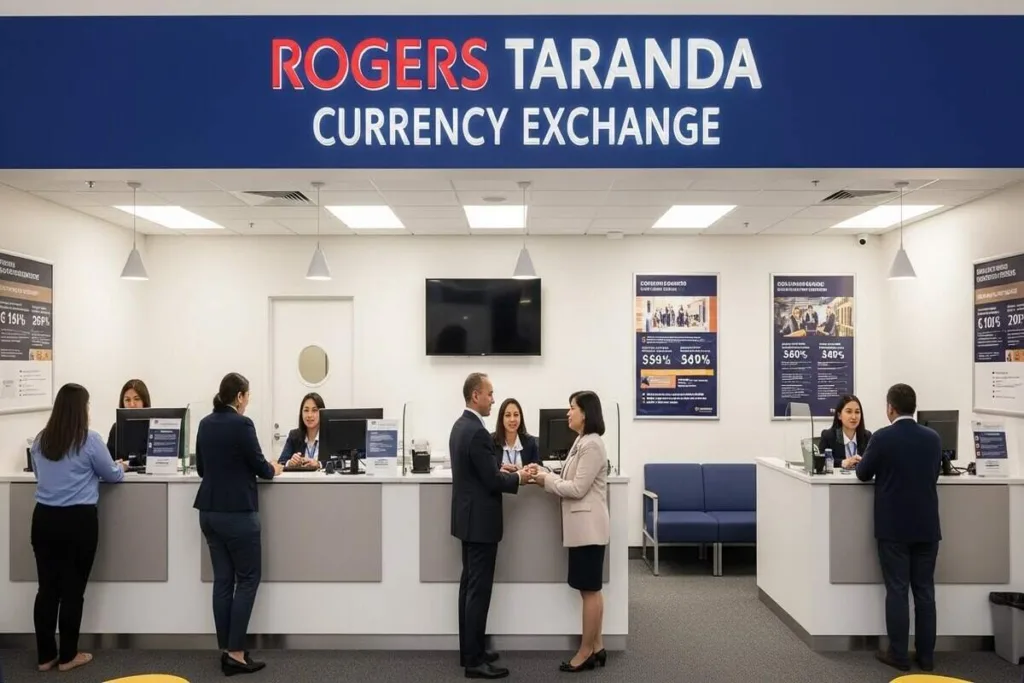
Currency exchange allows individuals to convert one country’s currency into another for travel, personal expenses, or other financial needs. Preparing for a currency exchange visit can help customers understand what to expect before reaching the counter. Specific requirements may vary by provider policies, transaction characteristics, jurisdiction, and applicable regulatory thresholds.
Clear preparation can help customers approach a currency exchange visit with greater confidence. General guidance on retail currency exchange services explains how these services may operate. This article covers preparation, verification, exchange rates, and practical considerations that may affect the transaction experience.

What To Expect Before A Currency Exchange Visit
Customers may feel more prepared when they understand what can happen during a currency exchange transaction. Providers generally follow procedures designed to support accurate transaction handling and appropriate review of foreign currency. Specific procedures may vary by provider policies, transaction characteristics, and applicable regulatory requirements.
Understanding possible steps can help customers approach the visit with greater clarity. These steps may include presenting currency and reviewing transaction details.
How Currency Exchange Transactions Are Structured
Currency exchange transactions generally include several common steps. Customers may present foreign currency for review before the exchange amount is calculated. Providers may review banknotes for authenticity, condition, and other applicable acceptance considerations.
The exact process may vary by provider policies and transaction characteristics. Applicable regulatory requirements may also affect how certain transactions are handled. Understanding these possible steps can help customers prepare before visiting a currency exchange location.
Identification And Verification Expectations
Identification may be requested depending on provider policies, transaction characteristics, and applicable legal or regulatory requirements. Requirements may also vary based on the transaction amount and applicable regulatory thresholds.
Customers may need to provide accurate information when requested under applicable provider procedures or regulatory requirements. Verification practices may include measures related to applicable Customer Identification Program (CIP) and Anti-Money Laundering (AML) obligations. The FDIC Money Smart program provides additional financial education and consumer awareness resources.
Specific identification requirements may vary by provider policies, transaction characteristics, and applicable regulatory thresholds. Being prepared with identification may help reduce delays when verification is required.
Preparing Foreign Currency For Exchange
Preparing foreign cash before visiting a provider may help make the transaction more efficient. Providers may review banknotes for authenticity, condition, circulation status, or other acceptance considerations.
Helpful preparation steps may include:
- Organizing bills by denomination
- Removing heavily damaged or defaced notes when possible
- Confirming the currency is still actively issued
- Keeping funds accessible for inspection
These steps do not guarantee that a provider will accept the currency. Acceptance may vary by provider policies, currency condition, transaction characteristics, and applicable requirements.
How Exchange Rates Affect The Transaction
Exchange rates affect the amount customers receive when converting one currency into another. Rates may vary until the transaction is completed.
Rates can change based on market conditions, provider pricing, and transaction timing. Customers researching exchange rates today may use public data as a general reference. The Federal Reserve H.10 data and U.S. Treasury exchange rate analysis provide general educational context. These resources do not reflect the policies, pricing, or transaction procedures of any specific provider. Customers may ask about the applicable rate before completing an exchange. This can be useful when converting dollars to pesos or preparing currency for international travel.

Practical Steps That Support A Confident Currency Exchange Experience
Preparation can help customers better understand what may happen during a currency exchange transaction. Reviewing expectations and transaction details may also reduce uncertainty before completing an exchange.
Some currency exchange providers may operate as Money Services Businesses under applicable federal or state requirements. Applicable obligations may include certain recordkeeping, reporting, or monitoring requirements. The Financial Crimes Enforcement Network provides general regulatory information about Money Services Businesses. This resource provides educational context and does not describe the policies of any specific provider.
Choosing A Licensed Currency Exchange Provider
Customers should consider whether a provider is appropriately licensed or registered under applicable laws. Requirements can vary by jurisdiction, provider type, and services offered.
Information about currency exchange services for individual customers can provide context about available financial services. Customers can review service information before deciding whether an available option meets their needs.
Provider procedures may vary based on internal policies, transaction characteristics, and applicable regulatory requirements.
Asking Questions Before Completing The Transaction
Customers may feel more confident when they ask clear, neutral questions before completing a currency exchange. This may include asking how the process works, what documentation will be provided, or how the transaction will be confirmed.
Providers typically explain transaction details before completion, allowing customers to review and understand the exchange. Asking questions supports clarity. Compliance-related determinations are made based on applicable regulations and provider requirements.
Reviewing Transaction Details Before Finalizing
Customers may have an opportunity to review applicable transaction details before completing a currency exchange. These details may include the currency type, exchange rate, fees, and final exchange amount.
Reviewing available information can help customers identify questions or possible misunderstandings. Customers can ask for clarification about applicable transaction details before completing the exchange.
Specific review procedures may vary by provider policies, transaction characteristics, and applicable requirements.
How Compliance Requirements Affect Currency Exchange
Currency exchange transactions may be subject to applicable financial regulations and provider compliance procedures. These may include requirements associated with the Bank Secrecy Act (BSA) and Anti-Money Laundering (AML) obligations. Certain transactions may involve applicable recordkeeping, reporting, verification, or monitoring requirements.
Providers may also conduct screening when required by applicable sanctions or compliance obligations. Specific procedures may vary by provider policies, transaction characteristics, and applicable regulatory thresholds. The FinCEN AML Act overview provides general regulatory and educational context. This resource does not reflect the policies or procedures of any specific provider.
Understanding that regulatory requirements may affect some transactions can help customers develop realistic expectations before visiting.
Customers seeking in-person services can review currency exchange branch locations before planning a visit. Service availability may vary by location.
Conclusion
Preparing for a currency exchange visit can help customers understand possible requirements and transaction considerations. Customers can review currency condition, exchange rates, identification needs, and available transaction details before completing an exchange. Specific requirements may vary by provider policies, transaction characteristics, jurisdiction, and applicable regulatory thresholds.
Customers should consider appropriately licensed or registered providers operating under applicable requirements. Those seeking more information may review authorized service locations or contact a provider about available currency exchange services.
Educational Disclaimer: This content is for general informational purposes only. It does not constitute legal, financial, or regulatory advice.
Frequently Asked Questions
What do I need for a currency exchange visit?
Customers may need foreign currency and identification. Requirements may vary by provider policies, transaction characteristics, and applicable regulatory requirements.
How are currency exchange rates determined?
Exchange rates may depend on market conditions, provider pricing, and timing. The applicable rate may vary until the transaction is completed.
Do I need identification to exchange currency?
Identification may be required for certain transactions. Requirements may depend on provider policies, transaction characteristics, and applicable regulatory thresholds.
Can I exchange any type of foreign currency?
Currency acceptance may depend on provider policies, currency type, banknote condition, and service availability.
Why might a currency exchange transaction require review?
Some transactions may require additional review under provider procedures or applicable regulations. Specific requirements can vary based on transaction characteristics.

Alvin is a Content and SEO Specialist who creates clear and helpful content about money transfers and payment systems. He focuses on making complex topics easy to understand so readers can learn how these services work in everyday situations.