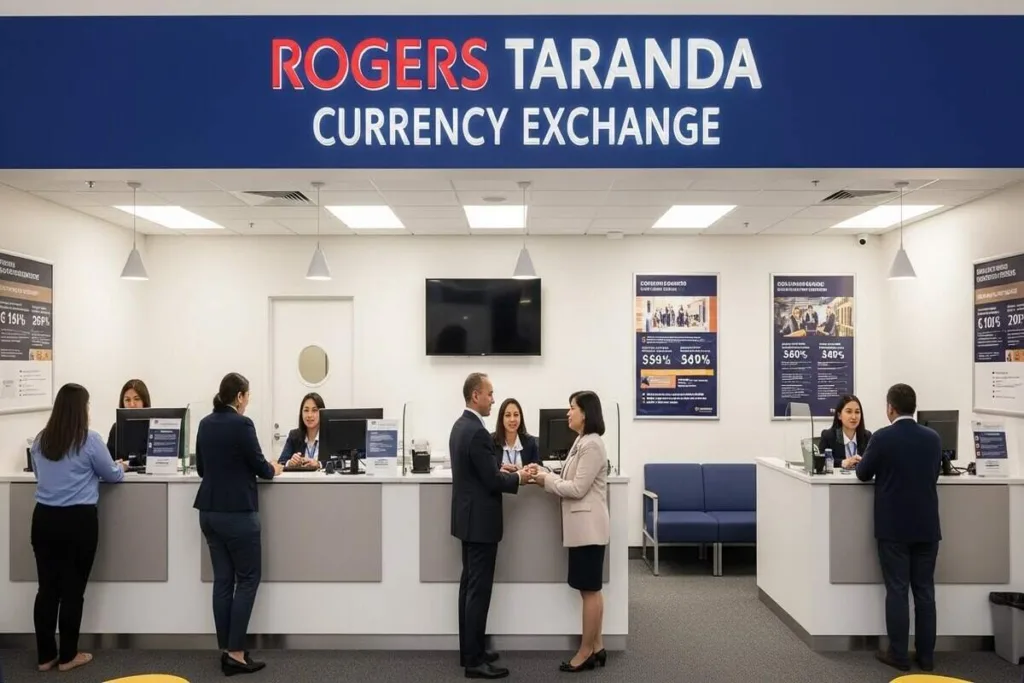
Currency exchange services allow individuals to convert one currency into another for purposes such as international travel, overseas expenses, relocation, or managing foreign funds. While the exchange process is generally straightforward, larger currency exchange transactions may involve additional verification procedures, documentation reviews, exchange rate confirmation, and other operational processes depending on the provider, transaction characteristics, applicable regulations, and internal compliance requirements.
General retail currency exchange guidance provides additional context regarding how currency exchange services operate within broader financial service environments. Understanding these processes can help customers prepare for a large currency exchange, recognize why certain information may be requested, and better understand how providers apply operational and regulatory procedures during the transaction.

Understanding How Large Currency Exchanges Are Handled
Large currency exchanges often involve transaction reviews, documentation procedures, and verification practices that are applied according to provider requirements and applicable regulations. These processes support transaction processing, recordkeeping, and regulatory compliance within the currency exchange environment while helping providers meet their operational obligations.
Customers preparing to exchange foreign currency may benefit from understanding how providers review transactions, what information may be requested, and why these procedures are part of the overall currency exchange process. Becoming familiar with these general practices may help customers prepare for their visit and better understand the transaction experience.
Licensed Providers And Regulated Operations
Large currency exchanges are commonly conducted through providers operating under applicable licensing, registration, or regulatory requirements, depending on the services offered and the jurisdictions involved. Many currency exchange providers operate as Money Services Businesses (MSBs) registered with FinCEN and are subject to applicable compliance requirements. General information regarding financial institution oversight is available through FinCEN.
Providers may maintain internal compliance programs designed to address customer verification, recordkeeping, monitoring, and other regulatory obligations. These requirements are determined by the provider based on applicable law and internal compliance procedures.
Identification And Verification Procedures
Identification may be required depending on the transaction type, amount, jurisdiction, service characteristics, and applicable legal or regulatory requirements. Verification procedures are determined by the provider based on risk-based compliance programs and applicable law.
Customers may be asked to provide accurate and complete information when requested to support applicable compliance requirements and transaction processing. Identification requirements vary by provider and transaction circumstances, so the information requested for one currency exchange transaction may differ from another. Additional background regarding financial education and consumer awareness can be found through the FDIC Money Smart program.
Reviewing Exchange Rates Before Completion
Exchange rates are an important component of any currency exchange transaction, particularly when larger amounts are involved. Customers may wish to review the exchange rate presented by the provider before deciding whether to proceed with the transaction so they understand the expected conversion amount. Publicly available Federal Reserve H.10 exchange rate data provides general information about foreign exchange rate movements. Reference rates published by government sources may differ from rates offered by individual providers.
Exchange rates are not guaranteed and may change until the transaction is completed. The final conversion amount is determined at the time the transaction is processed according to the provider’s applicable procedures and pricing practices.
Preparing Information Before Visiting A Provider
Preparing transaction-related information in advance may help customers better understand what may be needed during the currency exchange process and reduce unnecessary delays during their visit.
Common preparation steps may include:
- Confirming the currency to be exchanged
- Organizing any information requested by the provider
- Reviewing current exchange rate information
- Verifying transaction details before presenting funds for exchange
Preparing in advance does not determine transaction eligibility, approval, or outcome. Final determinations remain subject to provider policies and applicable requirements.

Compliance And Transaction Review Considerations
Currency exchange services operate within regulated financial systems. Depending on the provider, transaction characteristics, and applicable requirements, documentation requests, transaction reviews, or other compliance-related procedures may occur as part of normal operations.
While every transaction is different, providers generally apply these procedures according to applicable legal requirements and their internal compliance programs rather than customer preference. Understanding that these reviews are part of standard operational practices may help customers know what to expect during larger currency exchange transactions.
Understanding Compliance Reviews
Compliance reviews may occur as part of normal currency exchange operations. Depending on the transaction characteristics and applicable requirements, providers may conduct customer verification, transaction reviews, recordkeeping, or other compliance-related procedures.
Certain transactions may be subject to reporting, monitoring, or recordkeeping requirements when applicable legal or regulatory obligations apply. Providers may also conduct transaction reviews according to their internal compliance programs and applicable legal requirements. Additional context regarding financial institution compliance frameworks is available through the Anti-Money Laundering Act overview.
Transaction Screening Procedures
Depending on the provider and applicable requirements, transactions may be screened against applicable sanctions lists, including those maintained by OFAC, as part of standard compliance procedures.
Screening is conducted according to the provider’s regulatory obligations and applicable requirements. Any decisions regarding transaction processing are based on those obligations and the provider’s compliance program rather than customer preference or transaction purpose.
Understanding Available Exchange Methods
Customers may use currency exchange services in different ways depending on their individual circumstances. Some exchanges are completed before international travel, while others involve converting foreign currency after returning from overseas or preparing funds for international expenses.
Additional context regarding related financial services can be found through general foreign currency exchange information. Understanding the scope of available services may help customers distinguish currency exchange from other financial service categories and determine which services may be appropriate for their needs.
Maintaining Personal Transaction Records
Customers may choose to retain receipts and transaction documentation for personal recordkeeping purposes. These records may assist with budgeting, travel expense tracking, future financial reference, or documenting currency exchange transactions for personal records.
Personal recordkeeping does not replace provider recordkeeping obligations. Providers maintain documentation according to applicable operational and regulatory requirements. General branch location information may provide operational context regarding service availability and locations.
Conclusion
Large currency exchanges generally follow structured processes that may include transaction reviews, verification procedures, exchange rate confirmation, documentation practices, and compliance controls. Understanding these elements can help customers better prepare for the currency exchange process. It can also help them recognize how these services operate within regulated financial environments.
Customers may choose to contact a licensed or registered currency exchange provider for general information about available services, transaction procedures, documentation requirements, and other applicable considerations before completing a transaction.
Educational Disclaimer: This content is provided for general informational purposes only and does not constitute legal, financial, or regulatory advice.
Frequently Asked Questions
What information may be requested during a large currency exchange?
The information requested during a large currency exchange may vary depending on the transaction characteristics, provider requirements, jurisdiction, and applicable legal or regulatory obligations. Customers may be asked to provide information needed to support transaction processing and applicable compliance procedures.
Is identification always required for a large currency exchange?
Identification requirements vary depending on the provider, transaction type, jurisdiction, service characteristics, and applicable regulations. Because requirements differ, customers may wish to confirm any documentation requirements with their selected provider before visiting a branch.
Can exchange rates change before a transaction is completed?
Yes. Exchange rates are generally not guaranteed and may change until the transaction is processed. Customers may review the exchange rate provided before deciding whether to complete the transaction.
Why do providers conduct compliance reviews?
Compliance reviews may be conducted to support applicable legal or regulatory obligations, recordkeeping requirements, and internal compliance programs. These reviews are generally part of standard operational procedures used by regulated financial service providers.
Should customers keep receipts after completing a currency exchange?
Customers may choose to keep receipts and related transaction documentation for personal recordkeeping, travel expense tracking, budgeting, or future reference. Retaining personal records does not replace the provider’s own recordkeeping responsibilities.

Alvin is a Content and SEO Specialist who creates clear and helpful content about money transfers and payment systems. He focuses on making complex topics easy to understand so readers can learn how these services work in everyday situations.