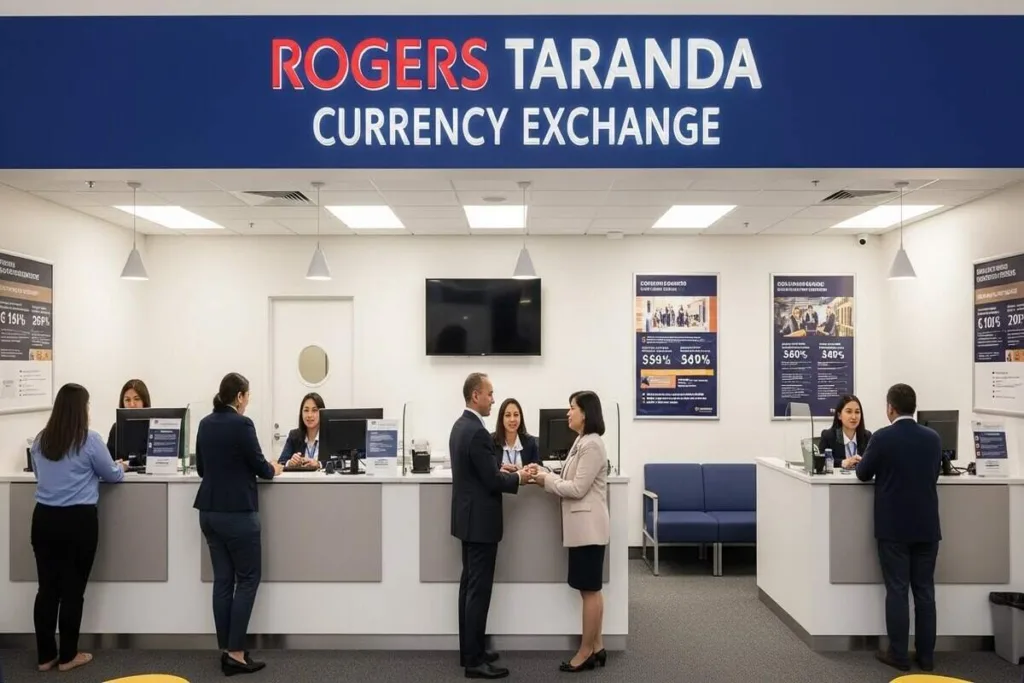
Planning an international trip often means preparing for expenses in another currency. Whether paying for transportation, accommodations, meals, shopping, or everyday purchases, having access to local currency can make traveling more convenient and help reduce unnecessary delays after arrival.
Understanding how currency exchange works before traveling can also help travelers compare exchange options, prepare for common travel expenses, and make informed financial decisions while abroad. Travelers seeking general retail currency exchange guidance may benefit from understanding how exchange services support practical money management before international travel.
Currency exchange services allow travelers to convert funds into usable foreign currency for spending abroad. Exchange rates, available currencies, transaction procedures, and identification requirements may vary depending on the provider and applicable legal or regulatory requirements. This guide explains how currency exchange supports overseas spending, what factors may affect exchange transactions, and practical considerations travelers may wish to review before exchanging funds.
How Currency Exchange Helps Travelers Manage Overseas Expenses
Travelers often rely on currency exchange services to obtain local cash before or during international trips. While many destinations support digital payments, physical currency may still be useful for smaller purchases, transportation, or locations where card acceptance is limited. Understanding how exchange services support everyday spending abroad helps travelers prepare more effectively and avoid unnecessary delays when accessing funds internationally.
Depending on the provider and local regulations, travelers may be asked to verify their identity before completing a currency exchange transaction. Some providers may also operate within regulated financial service frameworks applicable to currency exchange businesses. General foreign currency exchange information may provide additional context regarding how retail exchange services are commonly structured.
Preparing Local Currency Before International Travel
Preparing foreign cash before departure may help travelers manage immediate expenses upon arrival in another country. Currency exchange allows individuals to convert dollars to pesos, euros, or other currencies before entering airports, hotels, or transportation systems abroad. This preparation can reduce the need to search for exchange locations immediately after arrival.
Travelers preparing for international travel may consider reviewing exchange rates several days before converting funds. Exchange rates are not guaranteed and may vary until the transaction is completed. Publicly available Federal Reserve H.10 exchange rate data also provides general context on how currency values fluctuate in international markets. Some travelers also choose to carry a combination of local cash and digital payment methods depending on destination conditions and expected spending needs.
For example, having a small amount of local currency available upon arrival may help travelers pay for airport transportation, purchase snacks, or cover small expenses before accessing banks or ATMs.
Using Currency Exchange For Everyday Overseas Purchases
Currency exchange supports routine spending abroad by helping travelers access usable local cash for transportation, food, tips, and personal purchases. In many regions, smaller vendors and local transportation providers may prefer cash payments rather than foreign cards or digital wallets.
Travelers who exchange foreign currency before or during a trip may find it easier to manage practical expenses throughout the day. Common situations where local cash may support overseas spending include:
- paying for taxis or local transit after arrival
- purchasing food from smaller vendors or markets
- handling tips, entry fees, or local service charges
- covering expenses in areas with limited card acceptance
Carrying appropriate denominations may also help reduce confusion during transactions in unfamiliar environments.
Understanding Exchange Rate Differences While Abroad
Exchange rates influence how much foreign currency travelers receive when converting funds internationally. Currency exchange providers may apply different pricing structures, operational costs, or exchange margins depending on the location and method used during the transaction.
Travelers comparing exchange services abroad may notice differences between airport kiosks, retail locations, hotels, or financial institutions. Monitoring general exchange rate fluctuations before traveling can help individuals better understand how conversion values change over time. Additional U.S. Treasury exchange rate analysis provides broader context regarding international currency valuation trends. Exchange rates may also change due to global economic activity, seasonal travel demand, or international market conditions. Because rates fluctuate continuously, outcomes may vary between providers and transaction times.
Choosing Between Cash And Digital Exchange Methods
Travelers often choose between physical currency exchange and digital payment tools depending on convenience, destination access, and spending preferences. Physical cash may support immediate purchases, while digital methods can provide flexibility for larger transactions or online bookings.
Different exchange methods may involve varying fees, availability, or provider-specific requirements. Identification may be required depending on the transaction type, provider policies, jurisdiction, or applicable legal or regulatory requirements. Some transactions may also involve standard verification procedures used by financial service providers. Public FinCEN guidance resources provide general information about regulatory frameworks applicable to financial institutions and money services businesses.
Many travelers choose to carry both local cash and a debit or credit card. Having multiple payment options may provide additional flexibility if one payment method is temporarily unavailable.
Practical Considerations When Exchanging Currency Abroad
Currency exchange decisions may affect how travelers manage access to funds throughout an international trip. Timing, location availability, provider transparency, and transaction procedures can all influence the exchange experience while abroad. Understanding these practical considerations helps travelers approach exchanges with clearer expectations and greater awareness of how regulated financial services operate internationally.
Travelers often benefit from reviewing provider procedures and understanding that currency exchange services may involve verification or documentation steps depending on the provider and applicable requirements. General branch location information may also provide operational context regarding retail financial service availability.
Timing Currency Exchange Before Overseas Spending
The timing of a currency exchange transaction may influence the value received because exchange rates fluctuate throughout the day based on global market activity. Travelers preparing for overseas expenses sometimes monitor exchange rates before departure to better understand current market conditions.
Converting all funds at once may not suit every traveler. Some individuals may exchange a portion of their travel funds earlier while reserving additional exchanges for later in the trip depending on spending patterns and destination needs. Currency values can change rapidly, and future exchange outcomes cannot be predicted with certainty.
Reviewing Provider Transparency And Transaction Details
Before completing a currency exchange, travelers should review the exchange rate, any applicable service fees, the total amount they will receive, and ask questions if anything is unclear. Understanding these details before confirming the transaction can help avoid unexpected costs. Many providers display rates, estimated totals, and transaction information at the counter or within digital platforms before confirmation.
Travelers may consider reviewing several practical factors before exchanging funds abroad:
- displayed exchange rates and service fees
- availability of the required foreign currency
- receipt and documentation practices
- accessibility of nearby exchange locations
Customers may also be expected to provide accurate and complete information when requested to support compliance with applicable regulations. General consumer financial education materials such as the FDIC Money Smart program also provide broader financial literacy context related to managing financial decisions responsibly.
Understanding Identification And Compliance Procedures
Currency exchange providers may apply identification and verification procedures based on transaction characteristics, provider compliance programs, and applicable legal or regulatory requirements. These procedures are determined by the provider and may vary depending on jurisdiction, destination, service type, or risk-based compliance controls.
Certain transactions may involve verification, documentation, or review procedures required under applicable regulations and provider compliance programs.
Understanding that currency exchange services operate within regulated financial frameworks may help travelers approach exchanges with realistic expectations while abroad.
Managing Leftover Foreign Currency After Returning Home
Travelers returning from international trips sometimes keep unused foreign cash or convert it back into domestic currency through a currency exchange provider. The ability to buy and sell currency after travel may help travelers manage leftover funds from transportation, lodging, or daily spending budgets. Some travelers also compare buy-back options before returning home, as exchange rates, available currencies, and acceptance policies may vary between providers.
Acceptance of returned currency may depend on bill condition, denomination availability, provider policies, and applicable operational requirements. Some providers may not accept damaged, obsolete, or heavily worn notes. Reviewing provider procedures before reconversion may help reduce delays after returning home.
Editorial Note: This article provides general educational information about retail currency exchange services and international travel planning. Exchange rates, provider policies, available currencies, and identification requirements may vary depending on the provider and applicable regulations.
Conclusion
Currency exchange supports overseas spending by helping travelers access local cash for transportation, meals, lodging, and everyday purchases while abroad. Understanding exchange rate differences, timing considerations, transaction procedures, and provider requirements may help travelers prepare more effectively before international travel. Because exchange services may involve verification or documentation procedures depending on the provider and applicable requirements, travelers may encounter additional steps during some transactions. Preparing in advance and reviewing available exchange methods can help travelers approach international spending with greater clarity and awareness.
If you’re planning an international trip, reviewing your currency exchange options before departure may help you better prepare for transportation, meals, and other everyday expenses abroad. Contact your preferred currency exchange provider to learn about available currencies, exchange procedures, and current service availability.
This content is provided for general informational purposes only and does not constitute legal, financial, or regulatory advice.
Frequently Asked Questions
Why Do Travelers Use Currency Exchange Before Traveling Abroad?
Travelers often exchange currency before departure to access local cash for transportation, meals, and immediate overseas expenses.
Can Currency Exchange Rates Change During A Trip?
Yes, exchange rates may fluctuate throughout the day based on market activity and global economic conditions.
Do Currency Exchange Providers Require Identification?
Identification may be required depending on the transaction type, provider policies, jurisdiction, and applicable legal or regulatory requirements.
Is Cash Still Useful During International Travel?
Yes, some destinations and smaller businesses may still prefer or rely on physical cash payments.
Can Leftover Foreign Currency Be Converted After Returning Home?
Many providers may allow customers to exchange unused foreign currency back into domestic currency depending on provider policies and currency condition.
Should I Exchange All My Money Before Traveling?
Not necessarily. Some travelers exchange enough currency before departure for immediate expenses and obtain additional funds later if needed. The best approach depends on your destination, travel plans, and personal spending preferences.

Alvin is a Content and SEO Specialist who creates clear and helpful content about money transfers and payment systems. He focuses on making complex topics easy to understand so readers can learn how these services work in everyday situations.