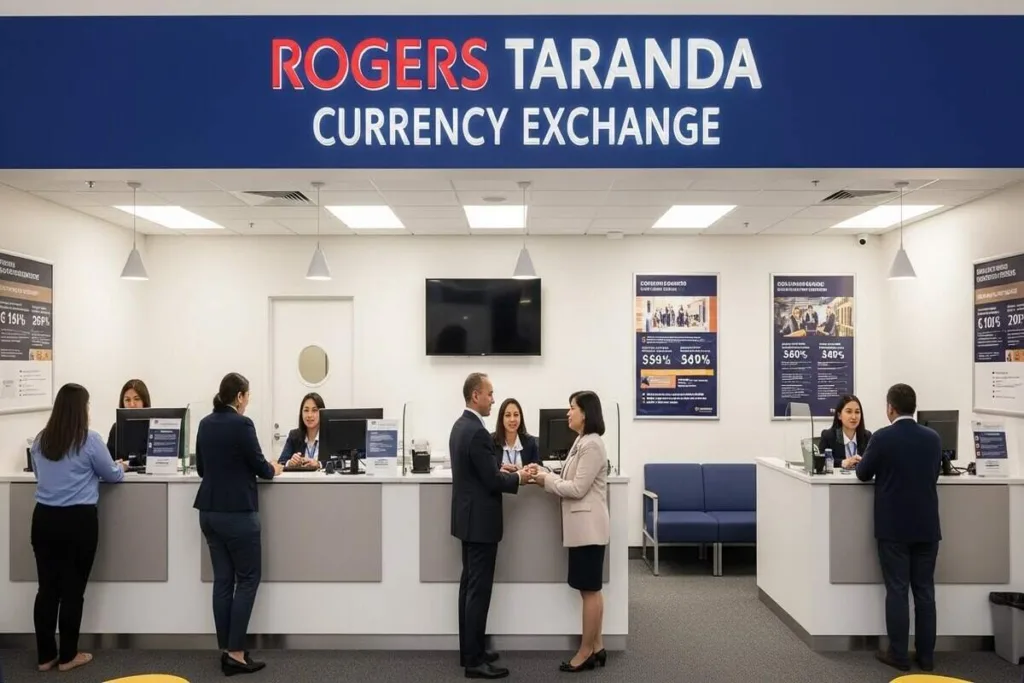
Currency exchange is a regulated financial service that allows individuals to convert one currency into another for purposes such as international travel or managing overseas expenses. These services follow structured processes designed to support accuracy, documentation, and compliance, and requirements may vary depending on the provider, jurisdiction, and transaction details. General guidance on how retail exchange services are typically structured provides additional context on how these services fit into everyday financial use.
Efficient repeat transactions depend on preparation and familiarity with how providers operate. This article outlines practical steps that can help reduce delays, explains how compliance procedures influence processing time, and clarifies what customers can expect when completing multiple exchanges over time.

Preparing In Advance For Faster Currency Exchange Visits
Repeat currency exchange transactions often move faster when customers arrive prepared with the right information and realistic expectations. Licensed providers follow structured processes designed to ensure accuracy, documentation, and compliance, which means preparation plays a key role in reducing unnecessary delays.
Customers who exchange foreign currency regularly may notice that consistent preparation helps streamline interactions at the counter while still aligning with provider-controlled procedures.
Keeping Identification And Documents Ready
Having identification accessible can help reduce processing time when verification steps apply. Identification may be required depending on the transaction type, amount, and applicable legal or regulatory requirements.
Customers who frequently convert dollars to pesos or other currencies may benefit from keeping documents current and readily available. While not all transactions require identification, being prepared when it is requested helps avoid interruptions and repeat visits.
Providing accurate and complete information when requested supports standard identity verification processes and helps financial institutions meet applicable regulatory obligations, including those related to anti-money laundering requirements.
Customers frequently ask, “Do I need ID to exchange money?” The answer depends on the transaction type, amount, provider policies, and applicable regulatory requirements. Understanding these currency exchange requirements in advance can help reduce delays during repeat transactions.
Organizing Foreign Currency Before Arrival
Sorting and preparing foreign banknotes in advance can help speed up the review process. Providers typically examine currency for authenticity, condition, and circulation status before completing a transaction.
Customers can support a smoother experience by:
- Grouping bills by denomination
- Removing heavily damaged or non-circulating notes when possible
- Keeping currency accessible for inspection
These steps do not guarantee acceptance, as final decisions are made during the provider’s review process, but they can help reduce handling time during the transaction.
Confirming Currency Availability And Needs
Checking which currencies are accepted or available before visiting a provider can help avoid delays. Not all currencies or denominations may be supported at every location, and availability may vary depending on operational conditions.
For example, travelers preparing for international trips may consider confirming whether specific denominations are available for immediate use abroad. This can help prevent last-minute adjustments during the transaction and support a more efficient exchange process. General financial education resources such as the FDIC Consumer Resource Center provide background on how financial services operate in everyday use.
Reviewing Currency Exchange Rate Expectations Before Repeat Transactions
Understanding that exchange rates are not guaranteed and may vary until the transaction is completed helps set realistic expectations. Rates may change based on market conditions, timing, and provider pricing structures.
Customers who regularly buy and sell currency may benefit from reviewing general rate trends before visiting, especially when planning for overseas expenses. Public data such as the Federal Reserve H.10 exchange rate reports provide general context on foreign exchange movements. While this does not speed up provider processes directly, it can reduce hesitation or repeated questions at the counter, allowing transactions to proceed more smoothly.

How Provider Processes Affect Repeat Currency Exchange Transactions
Currency exchange operates within regulated financial frameworks, In addition to federal oversight, currency exchange providers may also be subject to state-level licensing and regulatory requirements depending on the jurisdiction in which they operate, and understanding these structures can help customers navigate repeat transactions more efficiently. Licensed providers may operate as Money Services Businesses (MSBs) and are generally subject to requirements under frameworks such as the Bank Secrecy Act (BSA) and anti-money laundering regulations.
All compliance procedures, including identity verification, transaction monitoring, recordkeeping, and regulatory reporting, are performed by the provider in accordance with applicable federal and state regulations.
These processes are not optional and are applied consistently, regardless of how often a customer uses the service.
Knowing What Happens During The Transaction
A typical currency exchange follows a structured sequence that includes currency review, transaction confirmation, and completion. This process is designed to support accuracy and compliance rather than speed alone.
Customers who are familiar with this flow may move through repeat transactions more efficiently because they understand what to expect. For example, presenting currency promptly and reviewing details carefully can help avoid delays during confirmation.
Understanding Verification And Screening Procedures
Verification and screening are standard parts of currency exchange services. Customers should ensure they are using licensed or registered currency exchange providers when conducting currency exchange transactions. Identification may be required depending on transaction characteristics, and transactions may be screened against applicable sanctions lists, including those maintained by OFAC.
These steps may vary depending on the nature of the transaction and applicable compliance requirements. Customers cannot influence whether these checks apply, but understanding that they are routine can help reduce uncertainty during repeat visits.
Providing consistent and accurate information when requested helps support smoother processing over time.
Customers may also wonder why currency exchange takes time even when they have completed similar transactions before. Verification, screening, documentation, and compliance reviews are standard parts of the process and help providers satisfy regulatory obligations.
Being Aware Of Recordkeeping And Monitoring Practices
Currency exchange providers are required to maintain records and monitor transactions as part of regulatory obligations. Certain transactions are subject to reporting, monitoring, or recordkeeping requirements under applicable regulations, including processes such as Currency Transaction Reports (CTR) and Suspicious Activity Reports (SAR).
These requirements are handled entirely by the provider and do not change based on customer preference. Customers who understand that documentation and review are standard parts of the process are less likely to encounter confusion during repeat transactions.
Using Consistent Providers And Services
Understanding how a specific provider operates can help set expectations for repeat transactions. Service availability, supported currencies, and processing steps may differ between locations. Over time, familiarity with these differences can help reduce uncertainty during future visits.
About The Provider
Order Express is a licensed financial service provider operating in the United States and offering services that may include money transfers, check cashing, bill payment solutions, and currency exchange services where available. Financial service providers operate under applicable federal and state regulatory requirements designed to support consumer protection, compliance, and transaction integrity.
Customers should consult directly with their chosen provider regarding service availability, transaction requirements, and regulatory obligations that may apply to a specific transaction.
Conclusion
Repeat currency exchange transactions can become more efficient when customers prepare in advance and understand how provider processes work. Keeping identification ready, organizing foreign currency, confirming availability, and reviewing exchange expectations all contribute to smoother visits. At the same time, awareness of compliance requirements such as verification, screening, and recordkeeping helps set realistic expectations.
Currency exchange is a regulated financial service, and providers apply consistent procedures designed to protect accuracy and maintain lawful operations. Customers who approach transactions with preparation and understanding are better positioned to complete exchanges with fewer delays while staying aligned with provider requirements.
Using licensed or registered currency exchange providers can help ensure that transactions are conducted within established regulatory frameworks.
This content is provided for general informational purposes only and does not constitute legal, financial, or regulatory advice.
Frequently Asked Questions
What helps make repeat currency exchange transactions faster?
Keeping identification ready, organizing currency, and understanding provider procedures can help speed up repeat currency exchange transactions.
Do I need ID to exchange money?
Identification may be required depending on the transaction type, amount, provider policies, and applicable regulatory requirements.
Can organizing my currency really speed up the process?
Yes, organizing bills by denomination can help providers review currency more efficiently, although acceptance is still determined by the provider.
Are exchange rates fixed for repeat transactions?
No, exchange rates are not guaranteed and may vary until the transaction is completed.
Why do providers still review repeat transactions?
All transactions are subject to compliance, verification, and monitoring requirements determined by the provider under applicable regulations.
Why does currency exchange take time?
Currency exchange may take time because providers must complete verification, screening, recordkeeping, and other compliance procedures required by applicable regulations.

Alvin is a Content and SEO Specialist who creates clear and helpful content about money transfers and payment systems. He focuses on making complex topics easy to understand so readers can learn how these services work in everyday situations.