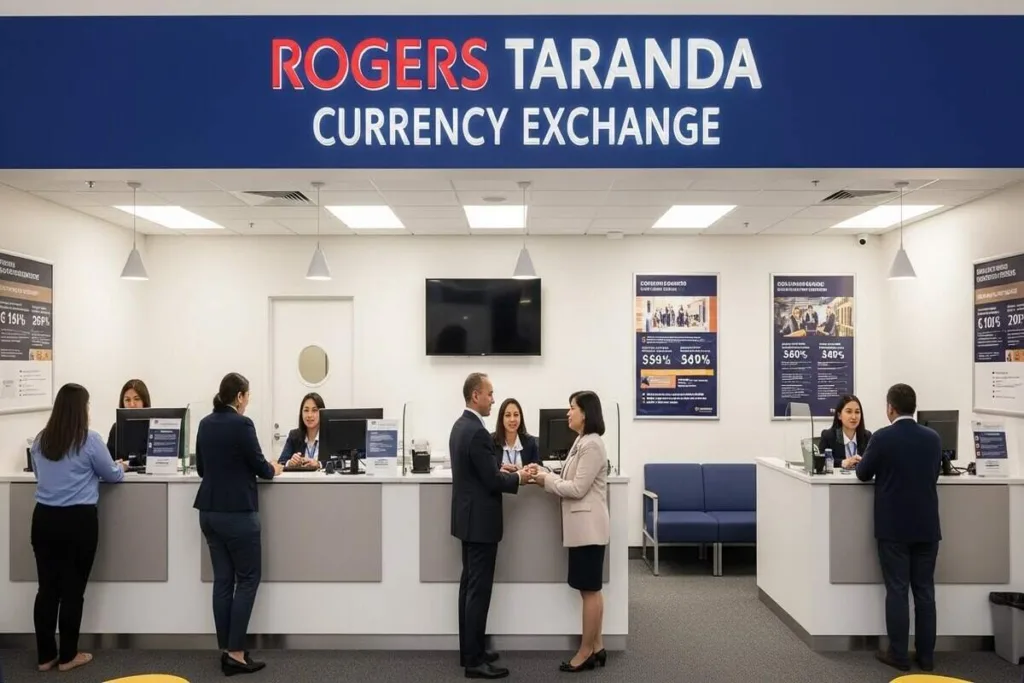
Currency exchange services enable individuals and businesses to convert one country’s currency into another through regulated financial providers. These services matter because exchange rate stability directly affects how much value consumers receive when preparing for travel, managing cross-border expenses, or handling international financial obligations.
Stable conditions help reduce uncertainty, support accurate budgeting, and improve decision-making when converting funds. This article provides practical guidance on how currency stability influences exchange outcomes, helping readers plan transactions more effectively and approach foreign currency use with greater clarity, based on general financial education resources.

How Currency Stability Affects Everyday Exchange Decisions
Currency stability influences how predictable exchange outcomes remain when individuals convert funds for travel or international obligations. When rates fluctuate significantly, consumers may receive less value than expected, which affects budgeting and planning. Stable conditions help individuals estimate how much foreign cash they may receive or spend. This reduces uncertainty during travel planning or international transactions. This clarity supports better timing decisions when preparing for international travel or managing overseas expenses.
Understanding these effects helps consumers avoid rushed decisions and approach exchanges with awareness. By recognizing how stability shapes exchange outcomes, individuals can better align their financial plans with real-world currency conditions and reduce unnecessary surprises.
Consumers searching for today’s exchange rates often compare multiple providers before completing an international transaction. Understanding how foreign exchange conditions affect international money use helps individuals make more informed decisions when converting funds for travel, overseas purchases, or family-related expenses. Monitoring currency conditions also supports better planning when sending money internationally or preparing for changing market conditions.
Predictability Of Exchange Rates For Travel Planning
Stable rates provide clearer expectations when completing a currency exchange, allowing travelers to estimate costs before departure. When rates remain consistent, individuals can plan accommodations, transportation, and daily expenses without adjusting budgets repeatedly. This predictability becomes especially useful when converting larger amounts for extended travel or multi-country trips.
In practice, travelers often review recent rate trends using sources such as Federal Reserve H.10 exchange rate data before deciding when to convert dollars to pesos or other currencies. Small variations may not significantly impact short trips, but larger fluctuations can affect total spending capacity. Monitoring stability helps consumers avoid last-minute conversions under uncertain conditions and supports more controlled financial preparation.
Impact On Household Budgeting And Overseas Expenses
Currency stability directly affects how households manage international financial responsibilities, including tuition payments, family support, or recurring obligations abroad. When exchange rates shift unpredictably, the same amount of local currency may deliver less value internationally. This creates budgeting challenges and may require adjustments to planned payments.
Consumers who regularly exchange foreign currency often monitor rate patterns before converting funds. Some also review public financial resources, including U.S. Treasury exchange rate analysis to better understand valuation trends. Stable conditions allow them to send or convert funds with fewer surprises. This approach supports reliable budgeting and helps ensure that intended amounts reach recipients without unexpected shortfalls caused by rate changes.
Timing Decisions When Buying Or Selling Currency
Choosing when to buy and sell currency depends heavily on how stable exchange rates appear over time. During periods of stability, consumers can proceed with transactions confidently without worrying about sudden value shifts. This supports smoother planning for travel or international purchases.
In contrast, volatile conditions may lead individuals to delay exchanges or divide transactions into smaller amounts. This approach reduces exposure to unfavorable rate swings. For practical guidance on timing and preparation, many consumers refer to publicly available financial education resources to better understand how exchange rates influence financial outcomes. Understanding timing decisions helps individuals approach exchanges with greater awareness and control.
Managing Risk When Rates Fluctuate
Managing risk means preparing for the possibility that exchange rates may change before or during a transaction. A currency exchange completed during unstable periods may result in receiving less foreign cash than expected. Consumers reduce this risk by monitoring trends and avoiding assumptions about fixed values.
Practical steps often include spreading conversions over time, confirming rates at the counter, and avoiding reliance on outdated estimates. These actions help individuals convert cash securely while adapting to real-time conditions. Recognizing that rates can shift ensures more cautious and informed decisions during exchange transactions.

Why Stability Supports Safer And More Informed Transactions
Currency stability supports more structured and transparent financial decisions by reducing uncertainty and helping consumers understand the value of their transactions within regulated financial environments. When exchange rates remain relatively steady, individuals can focus on accuracy, verification, and proper documentation rather than reacting to sudden changes. This reflects general practices within regulated financial systems, where consistency and transparency are emphasized.
Stable conditions also make it easier to compare providers, review exchange options, and confirm expected outcomes. Consumers benefit from a clearer understanding of how much they will receive, which supports confident and compliance-aware transactions within regulated environments.
Comparing Exchange Options With Greater Clarity
Stable exchange rates make it easier to evaluate different service options without confusion caused by rapid fluctuations. A currency exchange completed under steady conditions allows consumers to compare rates, service fees, and convenience factors more accurately. This supports better decision-making when choosing between in-person or digital exchange methods.
Consumers often focus on practical factors such as accessibility, documentation requirements, and transaction timing. Stability ensures that comparisons reflect actual service differences rather than temporary rate changes. This clarity helps individuals evaluate available methods based on their needs.
Understanding True Value When Converting Funds
Stable rates help consumers understand the real value of their money when they exchange foreign currency for travel or expenses. Without stability, individuals may struggle to determine whether they are receiving a fair conversion relative to recent trends. This uncertainty can lead to hesitation or rushed decisions.
When rates remain consistent, consumers can focus on reviewing transaction details and confirming amounts before completion. This supports accurate conversions and reduces misunderstandings. Clear value recognition allows individuals to approach exchanges with confidence and realistic expectations about the outcome.
Consumers comparing foreign exchange services often review exchange rate trends, transaction timing, and provider transparency before converting funds. Exchange rate consistency can make it easier to estimate international travel expenses, overseas purchases, and cross-border financial obligations without unexpected value differences caused by rapid market fluctuations.
Role Of Regulated Providers In Maintaining Consistency
Order Express operates as a licensed Money Services Business (MSB) and follows applicable federal and state financial regulations, including FinCEN compliance requirements. Licensed money services businesses operate within regulatory frameworks designed to support transparency, documentation, and consistent handling of transactions. These frameworks are shaped by federal requirements, including obligations administered by FinCEN and other applicable financial regulations. These frameworks help ensure that exchanges are conducted responsibly and uniformly.
Consumers benefit from this consistency because providers apply standardized processes regardless of market conditions. Regulated providers may also apply identity verification procedures, transaction monitoring practices, and recordkeeping requirements as part of broader AML/BSA compliance obligations. While exchange rates may fluctuate, the transaction structure remains predictable. This helps create a more consistent transaction process when converting funds through regulated providers.
Practical Steps To Stay Informed Before Exchanging
Consumers can take simple steps to stay informed when preparing for a currency exchange:
- Review recent exchange rate trends before visiting a provider
- Confirm the available currencies and denominations in advance
- Bring valid identification if required by the provider
- Ask for clarification on transaction details before completion
These steps support informed decisions and reduce uncertainty during the process. Preparing ahead allows individuals to convert cash securely while aligning expectations with current conditions. Awareness and preparation remain key factors in achieving smooth and predictable exchange experiences. Consumers may also review educational materials such as the FDIC Money Smart financial education program to better understand financial service fundamentals.
Understanding The Importance Of Regulated Currency Exchange Services
Consumers completing international currency exchanges should understand the importance of using regulated financial service providers. Licensed MSBs follow federal and state compliance requirements designed to support transparency, documentation accuracy, and responsible transaction handling. These standards help consumers complete exchanges within structured financial frameworks while improving awareness of transaction procedures and reporting obligations.
Conclusion
Currency stability plays a central role in helping consumers plan, budget, and complete exchange transactions with confidence. Stable exchange rates provide predictability, support accurate financial decisions, and reduce the risk of unexpected outcomes. Whether preparing for international travel or managing overseas expenses, understanding stability allows individuals to approach exchanges with greater clarity and control.
By focusing on timing, comparing options carefully, and using regulated providers, consumers can navigate exchange rate conditions more effectively. Understanding how exchange rate conditions affect international transactions can help consumers make more informed financial decisions. Reviewing exchange rates carefully and using regulated currency exchange providers may support more transparent and predictable transaction experiences.
Using a licensed and regulated currency exchange provider may help support transparent transaction handling, proper documentation practices, and more consistent exchange procedures.
Disclaimer: This content is provided for general informational purposes only and does not constitute legal, financial, or regulatory advice.
Frequently Asked Questions
Why do exchange rates change frequently?
Exchange rates change due to global market conditions, economic indicators, and supply and demand for different currencies.
How does currency stability affect international travel budgets?
Stable exchange rates help travelers estimate transportation, lodging, and daily expenses more accurately. Predictable currency values reduce uncertainty and support better international travel budgeting.
When should I exchange foreign currency for travel?
Many consumers exchange currency ahead of travel when rates appear stable and align with their planned budget.
Are licensed currency exchange providers regulated in the United States?
Licensed currency exchange providers in the United States operate under federal and state regulatory requirements. Compliance obligations may include identity verification, transaction monitoring, and financial recordkeeping standards.
Can exchange rates affect how much money recipients receive?
Yes, fluctuating rates can change the final amount received when converting funds for international expenses or transfers.

Alvin is a Content and SEO Specialist who creates clear and helpful content about money transfers and payment systems. He focuses on making complex topics easy to understand so readers can learn how these services work in everyday situations.