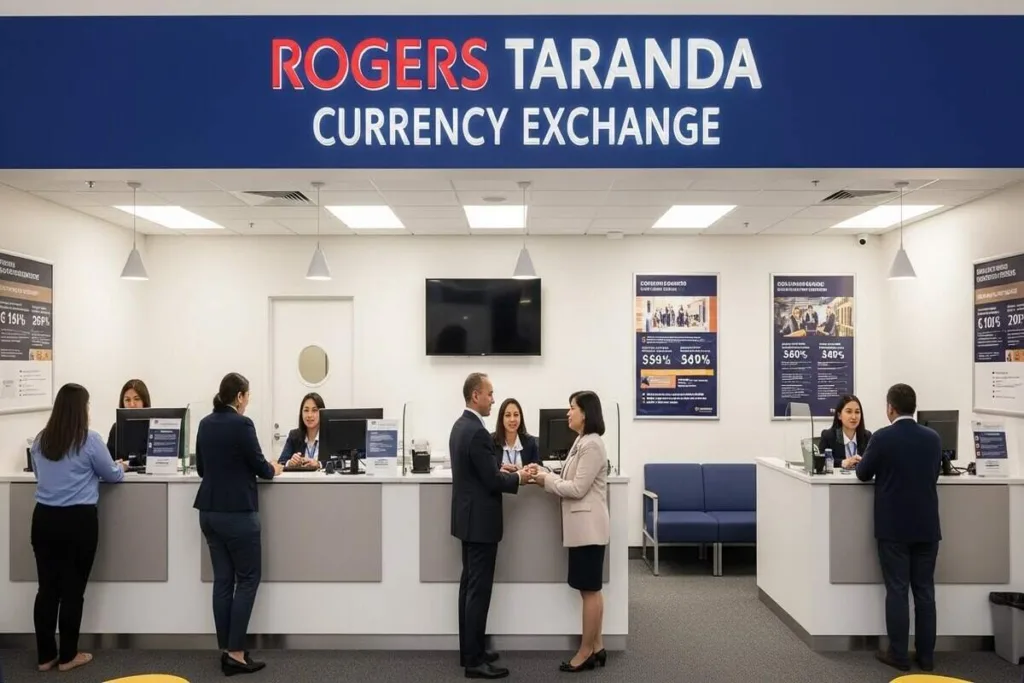
Currency exchange services enable individuals and businesses to convert one country’s money into another for travel, international purchases, or cross-border obligations. Understanding currency exchange economic trends is important because inflation, interest rates, and global market conditions directly affect how much value customers receive during a transaction. These services matter because exchange rates fluctuate based on economic conditions, directly affecting how much value a person receives when converting funds. Currency exchange providers in the United States typically operate as Money Services Businesses (MSBs) registered with FinCEN and are subject to Anti-Money Laundering (AML) compliance requirements designed to support transparency, consumer protection, and financial integrity. At Order Express, currency exchange services operate within established financial compliance frameworks that support secure and transparent transactions. For a broader understanding of retail processes, refer to this guide on retail currency exchange services.
These currency exchange economic trends also help explain how economic trends affect exchange rates across international markets. Factors such as inflation growth, central bank policies, and currency demand are among the most common currency exchange rate factors influencing conversion values worldwide. This article outlines how these trends shape exchange outcomes and offers practical guidance for making informed conversion decisions within a regulated financial environment.
Key Economic Drivers Behind Exchange Rate Movements
Currency exchange economic trends influence exchange rates through measurable financial indicators that affect supply and demand for currencies globally. These currency exchange rate factors help determine how much value individuals receive when converting funds for travel, international purchases, or cross-border financial obligations. When a country’s economy strengthens, its currency often appreciates because investors and businesses seek stability and returns. Conversely, economic uncertainty or declining output may weaken a currency. For everyday users preparing to convert dollars to pesos or other currencies, these shifts directly impact how much foreign money they receive.
Understanding these drivers allows individuals to anticipate fluctuations before completing transactions. While short-term changes may seem unpredictable, broader economic patterns provide useful context. Public data such as the Federal Reserve exchange rate releases can help illustrate how currencies move over time. These sources are commonly used for general economic reference and market observation. By reviewing these indicators, individuals can make better decisions when to buy and sell currency, especially when preparing for international travel or sending funds abroad.
Inflation And Purchasing Power Impact On Rates
Inflation reduces a currency’s value over time, which directly affects currency exchange outcomes for individuals planning overseas expenses. When inflation rises in one country faster than another, its currency typically weakens relative to others. This means travelers may receive less foreign currency for the same amount of money.
For example, if domestic prices increase rapidly, converting funds later may result in less purchasing power abroad. Monitoring inflation trends through sources such as U.S. Treasury data can help individuals understand broader currency movements and plan accordingly. This awareness supports more efficient planning, especially when budgeting for accommodation, transportation, and daily expenses in another country.
Interest Rates And Global Capital Flow Effects
Interest rate changes strongly influence currency exchange values because they affect where investors move their money globally. Higher interest rates often attract foreign investment, increasing demand for that country’s currency and strengthening its value. Lower rates may have the opposite effect, reducing demand.
For individuals, this means exchange rates can shift even before a trip based on central bank decisions. Reviewing financial education resources such as the FDIC Money Smart program can provide general context when comparing rates offered by providers. It also helps explain why rates differ between days, allowing better timing when converting funds for international use.
Trade Balances And Currency Demand Dynamics
Trade balances impact currency exchange by reflecting how much a country exports compared to imports, influencing demand for its currency. When exports exceed imports, foreign buyers need that country’s currency, increasing its value. When imports dominate, demand may weaken.
This dynamic affects everyday exchange scenarios such as purchasing foreign goods or preparing spending money for travel. A strong export-driven currency may result in higher exchange costs for visitors. Understanding this relationship helps individuals anticipate rate differences and adjust their budgets accordingly.
Political Stability And Market Confidence Factors
Political stability affects currency exchange rates because it influences investor confidence and economic predictability. Stable governments tend to support stronger currencies, while uncertainty may lead to volatility or depreciation.
- Elections or policy changes can shift exchange rates quickly
- Regulatory changes may affect cross-border financial flows
- Market reactions often occur before official policy implementation
By staying aware of political developments, individuals can better time exchanges and avoid unfavorable rate movements. Regulatory bodies such as FinCEN establish compliance expectations for financial institutions and Money Services Businesses (MSBs) that process currency exchange and financial transactions. These frameworks may include customer identity verification (KYC), transaction monitoring, recordkeeping requirements, and reporting obligations designed to support Anti-Money Laundering (AML) compliance and financial transparency. These frameworks operate separately from general market factors but help support transparency across the financial system.

Applying Economic Trends To Everyday Currency Exchange Decisions
Understanding economic trends becomes most useful when applied to real-world currency exchange decisions such as travel preparation or overseas payments. While macroeconomic factors may seem distant, they directly influence the rates offered by exchange providers. Individuals who review trends can better compare options and decide when to convert cash securely. At the same time, currency exchange transactions may involve customer identity verification (KYC), transaction monitoring procedures, and financial reporting obligations designed to support Anti-Money Laundering (AML) compliance and transparency within regulated financial systems.
Applying these insights in real-world situations can help individuals reduce unexpected exchange costs and make more informed currency conversion decisions.
By combining awareness of trends with provider comparison, individuals can explore available currency exchange services and choose methods that align with their needs.
How Economic Trends Affect Currency Exchange Rates
Economic conditions influence currency exchange rates by affecting investor confidence, currency demand, and financial market stability. Inflation, interest rate decisions, employment reports, and international trade performance are among the most important currency exchange rate factors monitored by financial markets worldwide.
When economies show strong growth and stable financial conditions, their currencies may strengthen against others. In contrast, economic uncertainty or rising inflation can reduce purchasing power and weaken exchange values. Understanding how economic trends affect exchange rates can help individuals make more informed decisions when comparing providers or preparing for international travel expenses.
Because currency exchange economic trends can change quickly, customers often benefit from monitoring market conditions and reviewing exchange options before completing a transaction.
Timing Your Exchange Based On Market Conditions
Timing matters because currency exchange rates fluctuate daily based on economic signals and market reactions. Monitoring trends over several days or weeks can reveal patterns that help individuals choose more favorable moments to convert funds.
For example, if a currency shows consistent strengthening, waiting may result in better value. However, delaying too long can introduce risk if conditions reverse. Balancing timing with certainty helps individuals manage exchange outcomes more effectively while preparing for travel or financial commitments abroad.
Choosing Between Cash And Digital Conversion Methods
Different methods of currency exchange offer varying rates, fees, and convenience levels depending on economic conditions and provider structures. Cash exchanges may provide immediate access, while digital transfers often reflect real-time market rates.
Individuals should compare both options carefully before deciding. Factors such as accessibility, transparency, and processing time all influence the final value received. Choosing the most suitable exchange method can help individuals manage costs, improve convenience, and better prepare for travel or international payments. Depending on the transaction amount, provider policies, and applicable regulations, customers may be asked to complete identity verification procedures as part of Know Your Customer (KYC) and Anti-Money Laundering (AML) compliance requirements. Financial institutions may also monitor certain transactions and maintain records to support reporting obligations under federal financial regulations.
Comparing Providers And Understanding Rate Margins
Exchange providers apply margins to market rates, which means the rate offered differs slightly from the interbank rate seen online. Understanding this difference helps individuals evaluate offers more accurately.
- Compare rates from multiple licensed providers before exchanging
- Check total cost, including fees and service charges
- Review transparency of rate calculations and displayed pricing
Customers should review disclosed fees, exchange rate margins, transaction terms, and service conditions before completing a currency exchange transaction. Understanding the total transaction cost helps individuals make more informed financial decisions.
By focusing on overall value rather than headline rates, individuals can make more informed decisions. This approach supports better financial outcomes when converting funds for international use or everyday travel needs. Working with properly established providers also helps ensure that transactions are handled within recognized financial service standards.
Staying Aware Of Regulatory And Compliance Context
Currency exchange services in the United States generally operate within regulated financial systems designed to promote transparency, consumer protection, and financial integrity. Many providers operate as Money Services Businesses (MSBs) registered with FinCEN and follow compliance frameworks related to Anti-Money Laundering (AML) regulations and customer verification requirements. Financial institutions and currency exchange providers may implement customer identification procedures, transaction monitoring systems, recordkeeping standards, and reporting processes intended to support regulatory compliance and financial transparency.
For individuals, this means choosing providers that clearly communicate their services and operate within recognized financial systems. While these frameworks support accountability, they do not guarantee specific rates or outcomes.
Conclusion
Currency exchange economic trends play a central role in shaping exchange values, influencing how much individuals receive when converting funds for travel, international purchases, or cross-border obligations. Factors such as inflation, interest rates, trade balances, and political stability all contribute to rate fluctuations seen in everyday transactions. By understanding these drivers, individuals can better time exchanges, compare providers, and select appropriate methods for their needs. Applying this knowledge supports more efficient financial planning when preparing for travel or managing international expenses. Understanding that exchange services operate within broader financial oversight frameworks can also help set realistic expectations during transactions.
Consider using a licensed or registered currency exchange provider that operates within established financial compliance frameworks to support transparent processes, consumer awareness, and informed transaction decisions. At Order Express, currency exchange services are provided within regulated operational standards designed to support transparency and customer confidence.
Disclaimer: This content is provided for general informational purposes only and does not constitute legal, financial, or regulatory advice.
Frequently Asked Questions
What causes currency exchange rates to change daily?
Currency exchange rates change daily because of economic trends such as inflation, interest rates, investor activity, political developments, and global supply and demand for currencies. These currency exchange rate factors influence how exchange providers adjust rates in response to market conditions.
When is the best time to exchange foreign currency?
The best time depends on trends, but monitoring rates over several days can help identify more favorable opportunities.
Why do exchange providers offer different rates?
Currency exchange providers apply different exchange rate margins, service fees, and operational costs when setting rates. Comparing providers helps customers better understand total transaction costs and identify transparent currency exchange services.
Is it better to exchange money before traveling or abroad?
Exchanging before travel offers certainty, while local exchange abroad may reflect current rates depending on market conditions.
How can I ensure a safe currency exchange transaction?
Choose licensed providers, review terms clearly, and verify transparent pricing before completing any currency exchange transaction.

Alvin is a Content and SEO Specialist who creates clear and helpful content about money transfers and payment systems. He focuses on making complex topics easy to understand so readers can learn how these services work in everyday situations.