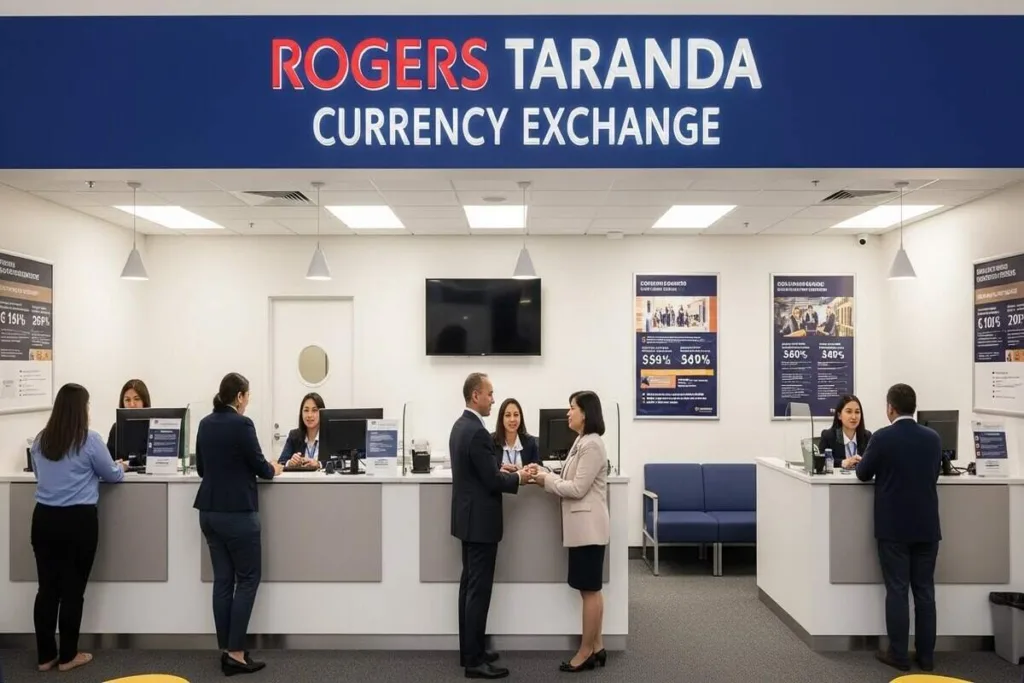
Currency exchange services allow customers to convert foreign banknotes into local currency or obtain foreign cash for travel and international use through regulated providers. Currency exchange providers may operate as Money Services Businesses (MSBs) registered with FinCEN and are subject to federal and state regulatory requirements.
These services matter because accurate handling, verification, and exchange rate application directly affect how much value is received and whether the transaction is completed without delays. Requirements and outcomes can differ based on provider policies, jurisdiction, and transaction details.
This article outlines practical steps that can help customers prepare for a smoother in-person currency exchange process, including what to expect during the process, how compliance requirements may apply, and how to review transaction details with greater clarity when exchanging foreign currency in person. General guidance on retail foreign currency exchange processes can provide additional context on how these transactions are structured.

How Preparation And Awareness Support A Smooth Currency Exchange Experience
A smooth currency exchange visit often starts before arriving at the location. Customers who understand basic expectations around documentation, currency condition, and transaction flow are generally better positioned to complete the process without unnecessary interruptions. While each provider follows its own procedures, these processes operate within structured regulatory frameworks designed to promote accuracy and compliance.
Being aware of how the currency exchange process works in real-world scenarios can help reduce confusion, especially for customers exchanging foreign currency in person before international travel or after returning from overseas trips. Customers preparing for international travel or converting leftover funds may find that simple preparation steps support a more predictable experience at the counter.
Preparing Foreign Currency Before Your Visit
Organizing foreign cash ahead of time can help reduce delays during a currency exchange. Providers typically review banknotes for authenticity, condition, and circulation status before proceeding with a transaction. Bills that are heavily damaged, altered, or no longer in circulation may not be accepted, depending on provider standards.
Customers may consider separating bills by denomination and ensuring they are easy to present for review. While preparation does not guarantee acceptance, it can support a more efficient evaluation process and reduce back-and-forth during the visit.
Understanding Identification And Verification Requirements
Identification may be required depending on the transaction type, amount, and applicable legal or regulatory requirements. These determinations are made by the provider based on internal compliance programs and applicable law, not customer preference.
Currency exchange providers operate under regulatory frameworks that include Customer Identification Program (CIP) requirements and Anti-Money Laundering (AML) obligations. These frameworks establish when identification, recordkeeping, and reporting are required based on transaction characteristics and applicable law. Customers should understand that identification requirements are determined by applicable regulations, provider compliance programs, and transaction details. Certain transactions may trigger additional review, monitoring, or reporting requirements under applicable regulations. Additional context on financial literacy topics is available through the FDIC Money Smart financial education program.
Reviewing Exchange Rates And Transaction Details
Exchange rates are not guaranteed and may vary until the transaction is completed. Customers exchanging foreign currency should expect rates to reflect current market conditions at the time of service rather than earlier estimates.
For broader context on how exchange rate movements are tracked, publicly available data such as the Federal Reserve foreign exchange rate reports can provide general reference points.
Before finalizing the transaction, providers typically present the exchange details for review. This step allows customers to confirm the amount being exchanged and the funds they will receive. Taking a moment to review this information carefully can help avoid misunderstandings and support accurate completion.
Bringing The Right Information And Expectations
Having accurate information available supports a smoother currency exchange visit. Customers may be required to provide details related to the transaction based on regulatory requirements, especially when exchanging larger amounts or less common currencies.
Helpful preparation steps may include:
- Confirming the type of currency being exchanged
- Bringing any required identification when applicable
- Understanding the purpose of the exchange, such as travel or personal use
- Allowing time for possible review or verification steps
These actions can help align expectations with how regulated foreign currency conversion services operate in practice.

What To Expect During The Currency Exchange Process
Understanding what happens during a currency exchange visit can reduce uncertainty and help customers move through the process more confidently. While each provider may have slight variations in process, transactions generally follow structured steps that align with regulatory requirements for verification, accuracy, and transparency.
Customers exchanging foreign currency for travel or financial needs may notice that the process includes review steps that are applied consistently across transactions.
The In-Person Currency Review Process
When customers present foreign cash, staff typically review the currency to confirm authenticity and condition. This step helps ensure that only valid and acceptable banknotes are processed.
The review process can differ based on the currency type and transaction characteristics. It is a standard safeguard designed to support secure handling of funds and reduce the risk of counterfeit or ineligible notes entering circulation.
Transaction Confirmation And Completion Steps
After the currency is reviewed, the provider calculates the exchange amount and presents the transaction details. Customers are generally given the opportunity to review and confirm this information before the exchange is completed.
Once confirmed, the transaction is finalized and funds are provided along with documentation. Keeping receipts can support personal recordkeeping and help address any questions that may arise later.
Customers who want a broader understanding of how regulated financial services operate can review resources from the FDIC consumer financial guidance center.
Why Processing Time May Vary
Processing time during a currency exchange visit can vary based on several factors, including the type of currency, transaction size, and operational flow at the location. Additional verification steps may also affect timing when applicable.
These variations are part of standard operations and reflect provider responsibilities rather than customer actions. Allowing sufficient time for the visit can help reduce frustration and support a smoother experience.
Compliance And Regulatory Considerations
Currency exchange services operate within regulated financial frameworks that include oversight under the Bank Secrecy Act (BSA), Anti-Money Laundering (AML) verification processes, and money services business compliance requirements. These regulations establish specific obligations that providers must follow when processing transactions.
As part of this framework:
- Transactions are screened against applicable sanctions lists, including those maintained by OFAC
- Certain transactions are subject to reporting and recordkeeping requirements under applicable regulations
- Compliance actions are based on regulatory requirements that providers are obligated to follow
Regulatory oversight for financial institutions is administered by agencies such as the FinCEN regulatory authority.
Customers should approach currency exchange as a regulated financial service governed by established legal requirements. Understanding this context helps set realistic expectations and supports smoother interactions during the visit. Information about service availability across available branch locations may also provide general awareness of where transactions are handled.
Factors That Can Affect Foreign Currency Exchange Transactions
Several factors can influence how a foreign currency exchange transaction is processed. Exchange rates may fluctuate throughout the day based on market activity, while acceptance standards may differ depending on the condition and circulation status of foreign banknotes.
Transaction timing may also be affected by operational demand, verification procedures, and regulatory review requirements. Customers exchanging less common currencies may experience additional review steps compared to widely circulated international currencies.
Understanding these factors can help customers approach the exchange process with more realistic expectations and greater awareness of how regulated currency exchange services operate.
Conclusion
A smooth currency exchange visit depends on preparation, awareness, and realistic expectations about how regulated services operate. Organizing foreign currency, understanding when identification may be required, and reviewing transaction details carefully can help reduce delays and confusion. Customers who recognize that exchange rates may vary and that compliance procedures are provider-controlled are better prepared for the process.
By approaching currency exchange with clear information and flexibility, individuals can complete transactions more efficiently while staying aligned with standard financial service practices.
Customers may consider using licensed, registered, or otherwise regulated currency exchange providers to complete transactions within established regulatory frameworks.
Educational Disclaimer: This content is provided for general informational purposes only and does not constitute legal, financial, or regulatory advice.
Finding A Reliable Currency Exchange Provider
Customers preparing for foreign currency exchange transactions may benefit from choosing providers that operate within established financial compliance frameworks and maintain transparent transaction procedures. Understanding provider requirements ahead of time can help support a more efficient in-person experience.
Customers may also consider reviewing available branch locations, supported currencies, and operating hours before visiting a location to complete a transaction.
Frequently Asked Questions
What should I bring to a currency exchange location?
Customers may need to bring foreign currency and identification if required based on the transaction and applicable regulations.
Do all currency exchange transactions require identification?
No, identification may be required depending on the transaction type, amount, and regulatory requirements.
Can exchange rates change before I complete my transaction?
Yes, exchange rates are not guaranteed and may vary until the transaction is finalized.
How long does a currency exchange visit usually take?
Processing time varies depending on the currency type, transaction size, and any required verification steps.
Are all foreign banknotes accepted for exchange?
Not all banknotes are accepted, as providers may decline currency based on condition, circulation status, or internal policies.
Do I need identification to exchange foreign currency in the U.S.?
Identification may be required depending on the transaction amount, currency type, provider compliance procedures, and applicable regulatory requirements.
Why are some foreign banknotes rejected during exchange?
Providers may decline foreign banknotes that are damaged, heavily marked, outdated, altered, or no longer accepted within normal circulation standards.

Alvin is a Content and SEO Specialist who creates clear and helpful content about money transfers and payment systems. He focuses on making complex topics easy to understand so readers can learn how these services work in everyday situations.