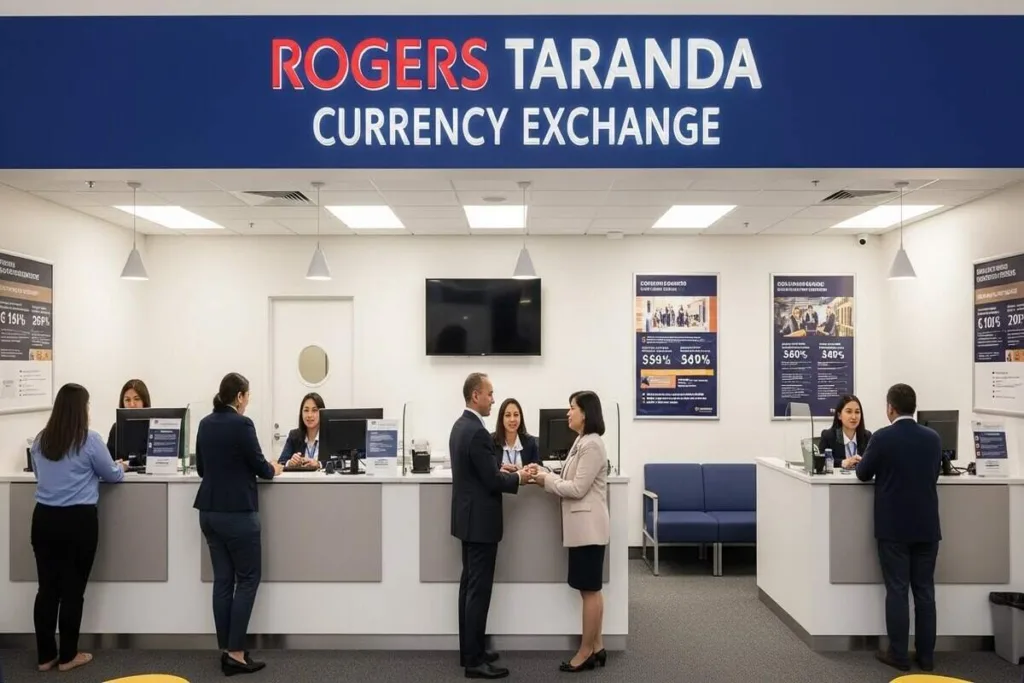
Currency exchange services enable individuals and businesses to convert one country’s money into another for travel, international payments, or cross-border financial needs. These services matter because exchange rate movements directly influence how much value you receive when converting funds, affecting budgets, purchasing power, and overall transaction outcomes.
This article provides practical insight into why currency values shift with global demand and how those changes impact everyday transactions. It helps readers interpret rate fluctuations, compare exchange options, and make informed decisions in everyday currency exchange situations.
What Causes Currency Values To Change?
Currency values change due to supply and demand, interest rates, inflation, central bank policies, and global economic activity. When demand for a currency rises in the foreign exchange market, its value generally strengthens compared to other currencies.

How Global Demand Influences Exchange Rates In Everyday Transactions
Currency values change because foreign exchange demand for one currency rises or falls compared to another. These currency fluctuations explain why exchange rates change daily in the global forex market. Higher demand generally strengthens a currency, while lower demand may reduce its value relative to other currencies. These shifts impact how much foreign currency you receive when preparing for international travel or sending money abroad.
For everyday users, these changes are not abstract market movements but practical cost differences. A stronger home currency can mean better purchasing power overseas, while a weaker one may reduce your travel budget or increase expenses when paying international bills.
What Determines Exchange Rates In The Foreign Exchange Market
Exchange rates in the foreign exchange market are influenced by supply and demand, economic performance, interest rates, and central bank activity. When demand for a currency increases due to trade, tourism, or investment activity, its value often strengthens compared to other currencies.
Central banks also play a major role by adjusting interest rates and controlling money supply. These decisions affect investor confidence and overall forex market activity. Inflation levels, political stability, and global economic conditions may also contribute to ongoing currency fluctuations.
For individuals using currency exchange services, these market conditions can directly affect travel budgets, international transfers, and conversion costs in everyday transactions.
Demand For Trade And Travel Drives Currency Value Changes
Currency exchange rates often rise when a country exports more goods or attracts more visitors. Increased demand for local currency supports stronger exchange values during these periods. Public data sources such as the Federal Reserve H.10 exchange rate reports track these movements over time.
For example, during peak tourism seasons, customers often notice higher exchange demand for currencies used in popular travel destinations. When travelers exchange foreign currency to visit a destination, demand increases for that country’s money. This demand can slightly improve rates for sellers while making conversions more expensive for buyers. Understanding seasonal travel trends helps explain currency fluctuations and allows you to anticipate when exchange rates may shift before planning your exchange.
Interest Rates And Economic Stability Affect Conversion Timing
Foreign currency exchange values typically strengthen when a country offers higher interest rates or stable economic conditions. Investors move funds into those markets, increasing demand for the currency.
When you exchange foreign currency, these market conditions affect how much you receive. For instance, converting funds during periods of economic strength may result in less favorable rates. Monitoring economic updates can help you better understand timing for everyday transactions. For example, publicly available resources such as U.S. Treasury exchange rate analysis provide additional context on currency trends.
Supply And Demand Imbalances Influence Retail Exchange Rates
Currency exchange rates reflect not only global markets but also supply availability at local providers. If a currency becomes scarce in certain locations, exchange costs may rise.
In retail currency exchange locations, customers may notice differences between providers due to currency supply levels, operational costs, and local market demand. Reviewing available currency exchange services and comparing exchange options helps you understand why rates vary and how to choose a suitable method based on your situation. Many customers also search for currency exchange near me when looking for convenient in-person services. Currency exchange services are typically offered by regulated financial providers, and requirements may vary depending on the provider and transaction type.
How To Recognize Rate Fluctuations Before You Exchange
You can identify currency shifts by watching simple indicators rather than tracking complex financial data. Currency exchange trends often appear in travel pricing, remittance costs, and daily rate updates from providers.
Helpful signs include:
- noticeable changes in travel costs for the same destination
- differences in quoted rates between providers within short timeframes
- news about economic growth or instability in specific countries
Recognizing these signals helps you decide when to exchange funds with greater confidence. Additional educational resources, such as the FDIC Money Smart program, offer general financial literacy support.
Practical Factors That Cause Currency Value Fluctuations
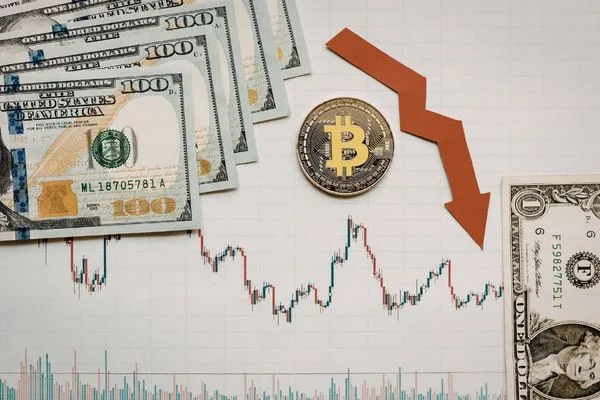
Beyond demand, several real-world factors influence how currencies move. These include political events, inflation levels, and central bank actions. Each factor plays a role in shaping exchange outcomes for individuals converting money for everyday use.
Understanding these influences allows you to better interpret rate differences and avoid confusion when comparing exchange options across different providers or locations. These factors reflect general market behavior and are separate from regulatory requirements that apply to financial service providers.
Inflation And Purchasing Power Shape Exchange Outcomes
Currency exchange values often weaken when inflation rises, reducing the currency’s purchasing power. Higher inflation typically leads to lower demand from global markets.
When you exchange foreign currency, this means you may receive more units of a weaker currency but with reduced buying power abroad. Monitoring inflation trends helps you understand whether a favorable rate truly benefits your overall spending ability during travel or payments.
Political And Global Events Create Sudden Rate Movements
Currency exchange rates can shift quickly due to elections, geopolitical tensions, or global economic events. These changes often happen without warning and affect short-term conversion values.
For example, uncertainty in a region may reduce demand for its currency, lowering its value. If you plan to convert funds, checking current events helps you avoid exchanging during unstable periods that could negatively affect your outcome.
For example, the USD to MXN exchange rate may shift during tourism seasons or periods of increased cross-border spending. These short-term fluctuations can affect how much travelers or businesses receive when exchanging funds.
Central Bank Policies Influence Currency Supply
Foreign currency exchange values respond directly to decisions made by central banks, such as adjusting interest rates or controlling money supply. These actions influence how much currency circulates globally.
When supply increases significantly, value may decrease, affecting conversion rates. For individuals, this means timing your exchange around major policy announcements can help you avoid unfavorable fluctuations in everyday transactions.
Choosing A Reliable Exchange Method During Fluctuations
Selecting a trusted provider helps you manage currency exchange risks during periods of volatility. Many currency exchange providers operate within regulated financial frameworks that include reporting and monitoring obligations. For reference, FinCEN publishes regulatory guidance describing these requirements.
When choosing how to exchange foreign currency, consider practical factors such as:
- licensed or registered providers with clear rate disclosures
- transparent fees included in the total conversion amount
- secure transaction processes aligned with financial regulations
- access to nearby branch locations for in-person services
These steps support safer transactions without implying guarantees or fixed outcomes.
At Order Express, we have over 30 years of experience helping customers access reliable financial services across the United States. With more than 100 locations, we assist individuals with currency exchange services, international money transfers, and everyday financial transactions while maintaining transparent service practices and compliance standards.
Conclusion
Currency values shift because global demand, economic conditions, and policy decisions constantly change how currencies are valued. For everyday users, these fluctuations directly affect how much money they receive when converting funds for travel, sending money internationally, services, or other international expenses. By understanding demand trends, monitoring simple indicators, and choosing reliable exchange providers, you can make more informed decisions while navigating currency exchange services responsibly.
Choosing a licensed or registered currency exchange provider can support more secure and transparent foreign currency transactions. Regulatory requirements apply to providers, while individual outcomes may vary depending on market conditions and service terms.
Educational Disclaimer: This content is provided for general informational purposes only and does not constitute legal, financial, or regulatory advice.
Frequently Asked Questions
What causes currency exchange rates to change daily?
Currency values change daily due to global demand, economic data releases, and financial market activity influencing exchange rates.
How can I get better foreign currency exchange rates?
You can compare providers, monitor rate trends, and exchange funds during stable periods to improve conversion outcomes.
Do exchange rates differ between providers?
Yes, providers apply different fees, margins, and supply conditions, resulting in noticeable variations in offered exchange rates.
Is it better to exchange currency before traveling?
Exchanging currency before traveling can help you compare rates and avoid higher fees at airports or tourist locations.
Are currency exchange services regulated?
Currency exchange services are typically subject to financial regulations that require providers to maintain compliance programs, recordkeeping, and transaction monitoring. These requirements apply to the provider and are separate from how exchange rates move in the market.

Alvin is a Content and SEO Specialist who creates clear and helpful content about money transfers and payment systems. He focuses on making complex topics easy to understand so readers can learn how these services work in everyday situations.