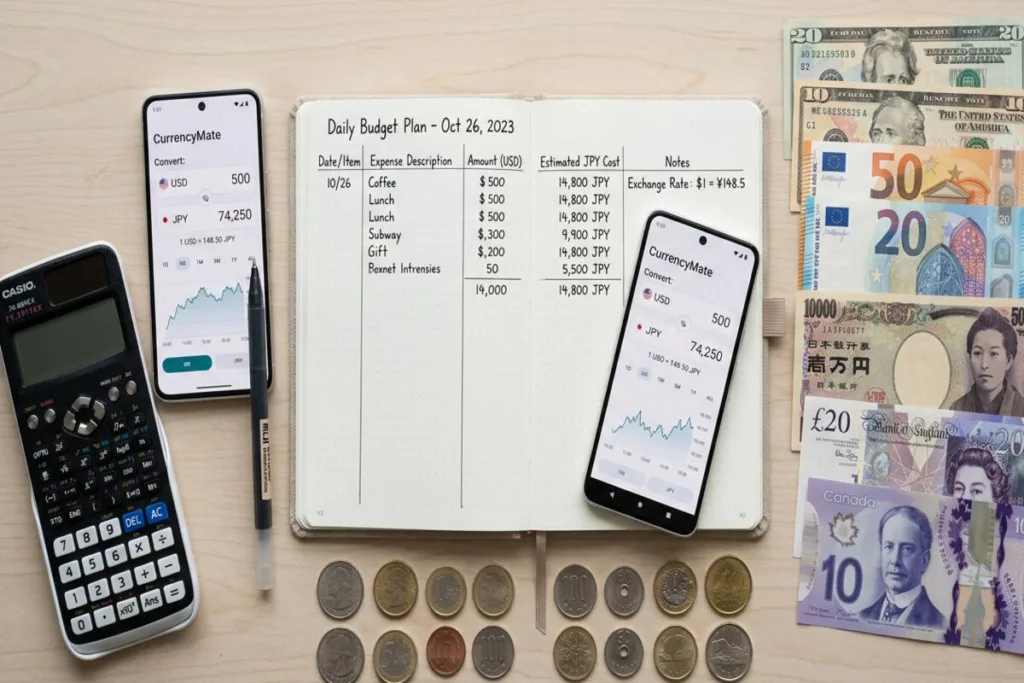
Daily cash planning often requires timely access to the right currency, especially when transactions depend on physical money instead of digital payments. Understanding when currency exchange becomes necessary helps avoid shortages, overspending, or poor exchange timing decisions. This guide explains specific situations, timing considerations, and practical factors that determine when exchanging currency supports efficient and reliable day-to-day financial management across different spending environments.
For broader context on when currency exchange fits into everyday spending decisions, review our pillar guide on how everyday currency exchange services work. That foundation helps you identify the right timing, providers, and methods for daily cash planning without overspending due to unclear fees or inefficient exchange habits.

What daily situations require currency exchange for cash use?
Currency exchange becomes necessary in specific daily scenarios where access to local cash directly impacts the ability to complete routine transactions. Identifying these situations helps individuals prepare in advance and avoid disruptions caused by unavailable or incompatible payment methods. This section outlines common real-life cases where exchanging currency supports smooth daily spending without requiring large conversions or complex financial planning decisions.
Note: Financial institutions that provide currency exchange services must monitor transactions and report suspicious activity in accordance with federal regulations enforced by the Financial Crimes Enforcement Network (FinCEN), ensuring secure and compliant financial operations across the industry. Find a licensed Order Express location near you and exchange with confidence.
Travelers need local currency for immediate everyday expenses
Travelers need currency exchange when arriving in a new country and planning to pay for small daily purchases immediately. They often require local cash for transportation, tips, street vendors, and small businesses that may not accept international cards.
Common daily needs include:
- Public transport fares paid in coins or small bills
- Food purchases at local markets or independent vendors
- Tips for service staff where cash remains culturally expected
This situation typically requires exchanging a modest amount rather than converting large sums intended for longer financial planning.
Residents handling foreign income or mixed currency spending
Residents may need currency exchange when earning income in one currency but managing daily expenses in another local currency. This scenario commonly occurs among freelancers, remote workers, or expatriates who receive payments internationally and may also rely on services like secure money transfers to manage cross-border funds. Consumers can better understand international money movement and associated protections through guidance from the Consumer Financial Protection Bureau on sending money abroad.
Typical triggers include:
- Converting weekly earnings into local cash for groceries and transport
- Managing fluctuating exchange rates impacting daily spending power
- Balancing digital income with physical cash requirements
Currency exchange becomes necessary when income currency and spending currency do not align during routine financial activities.
Cross-border commuters and frequent short-term visitors
Cross-border commuters often require frequent currency exchange for predictable daily expenses incurred while working or traveling across nearby countries. These individuals prioritize convenience and timing over large conversions, ensuring they always maintain sufficient local cash for immediate needs.
Key use cases include:
- Daily commuting expenses such as fuel, tolls, or transit tickets
- Meals and small purchases during work hours across borders
- Emergency cash availability when digital payments fail unexpectedly
Regular small exchanges help maintain liquidity without exposing users to unnecessary exchange rate risks or holding excess foreign currency.
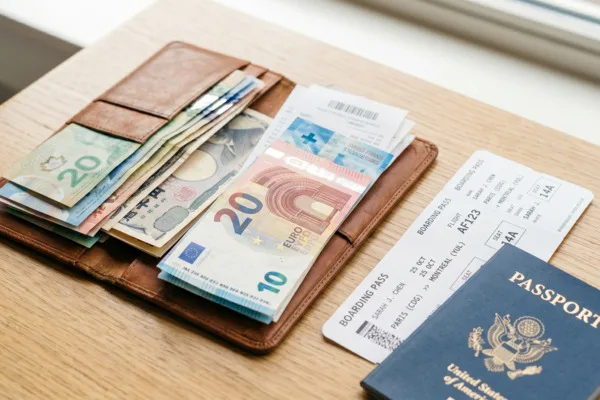
How does timing affect currency exchange for daily planning?
The timing of currency exchange plays a critical role in maintaining consistent daily cash flow while minimizing unnecessary costs or unfavorable rates. Small differences in timing can influence how much value you receive, especially when exchanges occur frequently. This section explains how timing decisions affect daily planning and highlights practical ways to align exchanges with short-term spending needs effectively.
Exchange timing matters when managing short-term cash flow
Currency exchange timing directly affects how much usable cash you receive for daily expenses, especially in volatile exchange rate environments. Reliable benchmarks such as Federal Reserve foreign exchange rate data (H.10) help explain how currency values fluctuate over time.
Practical timing strategies include:
- Monitoring rates before planned travel or spending days
- Avoiding last-minute exchanges at high-fee locations like airports
- Spreading exchanges across multiple days to reduce rate exposure
Even minor rate differences can significantly impact daily purchasing power when transactions occur frequently.
Weekday versus weekend exchange availability and rates
Currency exchange services may operate differently on weekends, often offering less favorable rates or limited availability for immediate transactions. These market dynamics align with global currency policies outlined in U.S. Treasury exchange rate policy guidance, which explains how exchange rate movements are shaped by international financial activity.
Important considerations include:
- Reduced service hours impacting access to exchange providers
- Wider spreads between buy and sell rates during low liquidity periods
- Limited access to competitive providers outside major business hours
Planning exchanges during active market hours generally provides better rates and more provider options for users.
Aligning exchange timing with spending patterns
Aligning currency exchange with actual spending patterns helps avoid holding excess foreign cash while ensuring sufficient liquidity for daily transactions. This approach minimizes risk while maintaining flexibility, especially for individuals who frequently switch between currencies in everyday financial activities.
Effective alignment involves:
- Estimating daily cash needs based on recent spending behavior
- Exchanging only what is needed for short periods
- Reassessing needs regularly to adjust exchange frequency
Matching exchange amounts to real consumption reduces waste, improves budgeting accuracy, and limits exposure to rate fluctuations.
Transaction costs influence frequent exchange decisions
Transaction fees and exchange rate margins significantly impact whether daily currency exchange remains practical for routine financial planning. Frequent small exchanges can accumulate costs quickly, making it important to evaluate provider pricing structures and reach out through the Order Express contact page for service-related details when needed.
Cost-related considerations include:
- Flat fees versus percentage-based charges per transaction
- Hidden margins embedded within exchange rates offered
- Discounts or benefits available through certain providers
Lower transaction costs support more frequent exchanges, while higher fees encourage batching transactions into fewer, larger conversions.
Availability of alternative payment methods
Access to digital payments or multi-currency accounts may reduce the need for daily currency exchange for routine spending activities. However, cash remains essential in many environments, making exchange necessary when digital options are unavailable or unreliable.
Situations requiring cash despite digital access:
- Small merchants that do not accept cards or mobile payments
- Locations with limited internet connectivity affecting payment systems
- Cultural norms favoring cash transactions in certain regions
Currency exchange remains necessary whenever cash is the only viable payment method for completing daily transactions.
Personal budgeting habits and risk tolerance
Individual budgeting styles and comfort with exchange rate fluctuations influence how often someone chooses to exchange currency for daily use. Foundational financial education, such as the FDIC Money Smart consumer education program, helps individuals build effective budgeting and cash management strategies. You can also learn more about the company’s service approach on the Order Express About Us page.
Budgeting approaches include:
- Conservative users exchanging small amounts to limit overspending
- Strategic users timing exchanges based on favorable rates
- Convenience-focused users prioritizing simplicity over optimization
Personal financial behavior plays a critical role in determining whether daily currency exchange aligns with effective cash planning strategies.
Key takeaways
- Currency exchange becomes necessary for daily cash planning when immediate access to local currency supports routine spending activities.
- Timing, transaction costs, and payment alternatives influence how often and when individuals should exchange currency for everyday use.
- Aligning exchange habits with actual spending patterns helps reduce costs while maintaining sufficient liquidity for daily financial needs.
Conclusion
Currency exchange plays a vital role in daily cash planning when your spending requires consistent access to a different local currency. By understanding timing, costs, and usage patterns, you can avoid unnecessary fees and maintain better control over daily expenses. Planning smaller, well-timed exchanges helps ensure you always have enough cash without holding excess foreign currency unnecessarily. Order Express simplifies this process by offering transparent rates and convenient access tailored to everyday financial needs.
If you want smoother transactions and reliable access to local cash, start planning your exchanges with Order Express today.
Disclaimer: This content is for informational purposes only and does not constitute financial advice or recommendations for specific currency exchange decisions. Always review current rates, fees, and personal financial circumstances before completing any currency exchange transactions.
Note: Order Express is registered with the Financial Crimes Enforcement Network (FinCEN) as a Money Services Business (MSB) under the Bank Secrecy Act (BSA). We strictly follow Know Your Customer (KYC), Anti-Money Laundering (AML), and record retention requirements. These practices ensure that all financial transactions are secure, transparent, and compliant with federal and state regulations.
FAQs
When should I plan currency exchange for daily expenses?
You should plan currency exchange before expected cash needs to avoid last-minute decisions and unfavorable exchange rates.
How can I reduce costs when exchanging currency frequently?
You can reduce costs by comparing providers, avoiding high-fee locations, and timing exchanges during favorable market conditions.
Is cash still necessary for daily spending in most places?
Yes, many locations still rely on cash for small transactions, especially in markets, transport systems, and local businesses.
How do exchange rates affect daily budgeting?
Exchange rates directly impact purchasing power, making timing important when converting money for frequent daily expenses.
What factors should I consider before exchanging currency?
You should consider transaction fees, exchange rates, spending needs, and available payment alternatives before making any exchange decisions.

Alvin is a Content and SEO Specialist who creates clear and helpful content about money transfers and payment systems. He focuses on making complex topics easy to understand so readers can learn how these services work in everyday situations.