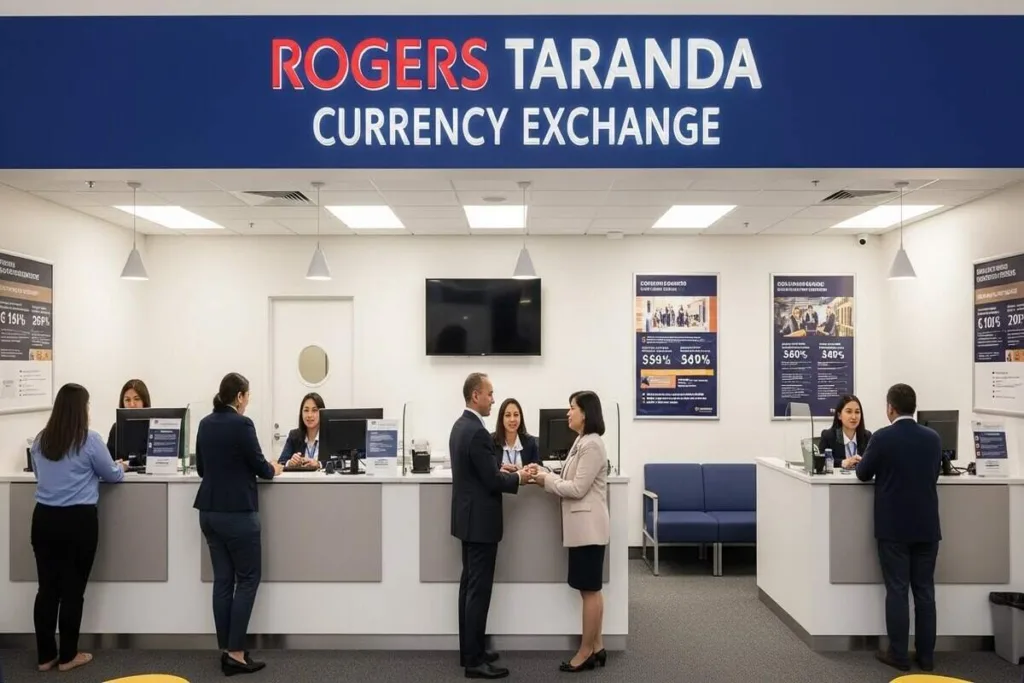
Currency exchange updates affect what you receive because exchange rates change constantly during global trading throughout the day. When rates move between the moment you check and the moment you transact, the converted amount changes accordingly.
These movements occur because financial markets continuously adjust currency values based on supply, demand and economic activity. Understanding how these updates work helps consumers estimate final payouts more accurately before completing a transaction. Two primary mechanisms determine how exchange updates influence the amount you receive during a currency exchange transaction.
If you want a deeper overview of how conversion works, review our pillar guide on currency exchange services for consumers.

How Currency Exchange Rate Movements Directly Change The Amount You Receive
Currency exchange rates move continuously in global financial markets, and those movements directly influence the amount received after conversion. Every currency exchange transaction reflects the most recent market value available at the time it is processed. Because banks, institutions and traders constantly buy and sell currencies worldwide, rates can change many times within a single day.
These updates determine how much of one currency equals another, which means even small shifts can affect the final converted amount. Understanding how currency exchange rates update in real time helps consumers recognize why the payout shown at one moment may differ slightly by the time a transaction is completed.
In addition to exchange rates, providers may apply fees or margins that also affect the final amount received.
Global Currency Markets Update Exchange Rates Continuously
Global currency markets operate twenty four hours daily, causing exchange values to shift continuously across international trading sessions. These fluctuations occur because banks, investors and financial institutions constantly buy and sell currencies worldwide. According to Federal Reserve foreign exchange rate data releases, central banks regularly track international currency movements to monitor financial conditions and global liquidity.
Exchange updates reflect immediate market conditions including:
- Changes in global demand for a specific currency
- Economic news affecting a country’s financial outlook
- Political events influencing investor confidence
- International trade activity impacting currency supply
Even small fluctuations can slightly change the final amount received during a consumer currency exchange transaction.
Rate Timing Affects The Value Received During A Transaction
The timing of a transaction strongly influences the amount you ultimately receive after currency conversion occurs. If the rate strengthens in favor of the receiving currency before processing, the converted payout becomes smaller. If the rate moves favorably toward your sending currency, the converted payout increases slightly at the time of processing.
Consumers may notice differences because rates can shift between several stages including:
- When a customer checks the rate online
- When the transaction is quoted in person or digitally
- When the transaction is finalized by the provider
Even brief delays between quote and completion can result in minor payout differences. Understanding these timing differences is especially helpful when preparing services such as international transfers offered through a money transfer service.
Currency Volatility Increases The Impact Of Exchange Updates
Currency volatility refers to how rapidly exchange values move within short time periods in global markets. Higher volatility increases the likelihood that exchange updates will significantly change the amount received during a transaction. Certain events often cause stronger fluctuations including central bank announcements, inflation data releases and geopolitical developments. Periods of high volatility may cause rates to update more frequently during the same business day.
Government agencies closely monitor these fluctuations as part of international financial policy. For example, the U.S. Treasury exchange rate policy analysis evaluates how currency values shift in response to global economic conditions. Additional educational resources explaining how foreign currency value and international financial systems work are available through the FDIC Consumer Resource Center financial education materials.
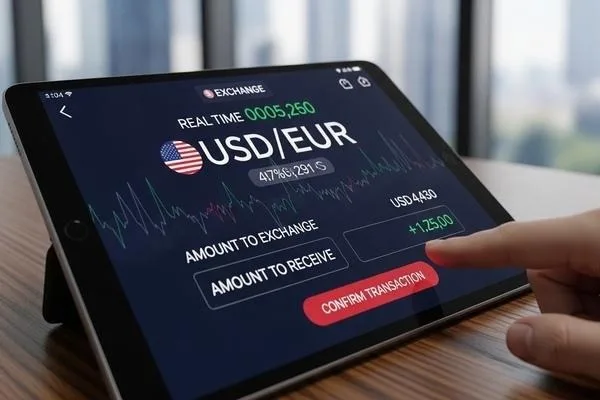
How Currency Exchange Updates Are Applied by Providers in Real Time
Currency exchange providers rely on continuously updated pricing systems to ensure transactions reflect current market conditions. These systems connect to global currency markets and adjust conversion values throughout the day as rates move. When a customer initiates a transaction, the provider retrieves the most recent available rate and applies it to the conversion.
This process helps ensure the final payout reflects current market pricing while maintaining consistency across the provider’s platform. Understanding how currency exchange providers update and apply these rates helps consumers interpret rate quotes, confirm transactions with confidence and better anticipate the amount a recipient will ultimately receive. Consumer education resources such as the FDIC Money Smart financial education program explain how financial systems operate and how consumers can make informed financial decisions.
Currency Exchange Platforms Synchronize With Market Rates
Most currency exchange services rely on integrated pricing systems connected to institutional market data feeds. These systems continuously update available rates based on global currency trading activity throughout the business day.
A typical provider rate update process may include:
- Monitoring international interbank currency markets
- Refreshing internal pricing engines regularly
- Adjusting customer exchange quotes to reflect current market conditions
- Locking the rate once the transaction is finalized
This process ensures the conversion reflects recent market pricing when the transaction completes. Additional consumer guidance on financial transactions can also be found through resources provided by the Consumer Financial Protection Bureau consumer education resources.
Transaction Confirmation Locks The Applied Exchange Rate
Once a currency exchange transaction is confirmed, the applied exchange rate typically becomes fixed for that specific transaction. While this is common industry practice, the exact approach may vary depending on the provider. Later market movements usually do not change the payout amount after processing has been completed. Before confirmation, however, the quoted amount may adjust if the provider updates the exchange rate. Consumers therefore benefit from reviewing the final rate carefully before approving a transaction.
Customers preparing multiple financial services may also manage related needs such as identity verification or payment access through services like check cashing services.
Transparency Rules Require Exchange Rate Disclosure
Consumer protection rules require many providers to clearly disclose the exchange rate before completing a remittance transaction. For example, federal remittance transfer rules require providers to disclose the exchange rate, applicable fees, and the exact amount the recipient will receive before payment is finalized. This regulatory requirement applies broadly and may differ from provider-specific practices or internal policies. These disclosures allow customers to compare rates and understand the expected converted amount before confirming the transaction.
If customers have questions about available financial services or exchange processes, they can review company information, find the nearest branch to you, or request assistance through the Order Express contact page.
Key takeaways
- Currency exchange updates affect payouts because real-time market rates continuously change the value used during currency conversion transactions.
- The exact timing of a transaction determines which exchange rate is applied and therefore the amount received.
- Higher market volatility increases how frequently exchange updates occur and may slightly change the converted payout value.
- Currency exchange providers generally update internal systems regularly to reflect current market pricing before transactions are confirmed, though methods may differ by provider.
- Once a transaction is finalized, the applied exchange rate usually becomes fixed and determines the final payout amount.
At Order Express, we process thousands of transactions daily and use real-time exchange data to ensure accurate conversions for our customers.
Conclusion
Currency exchange updates directly influence how much money a recipient receives because global currency values shift continuously throughout the day. These fluctuations affect the conversion rate applied at the exact moment a transaction is finalized. Consumers preparing to exchange money should understand that even small market movements can slightly change the converted payout amount. The timing of a transaction and the exchange rate applied by the selected provider determine the final value delivered abroad. These practices may vary across providers. Reviewing the disclosed exchange rate before confirming the transaction helps ensure you clearly understand the expected payout. Understanding these mechanisms allows consumers to approach currency exchanges with greater confidence and realistic expectations when sending or converting funds internationally.
Ready to complete your transaction today? Check the latest exchange rate now and send or exchange your funds with confidence.
Educational Disclaimer: Exchange rates change frequently due to global financial market conditions. Actual conversion values may vary depending on timing and provider pricing policies.
Disclaimer: This content is for general informational purposes only and does not constitute financial, legal, or regulatory advice. This is intended to help readers better understand common practices and should not be interpreted as a statement of policy from any specific company or authority.
FAQs
Why does the amount I receive sometimes change between checking a rate and sending money?
Exchange rates update continuously in global markets. If the rate changes before your transaction finalizes, the converted amount adjusts accordingly.
When is the exchange rate officially applied to my transaction?
The exchange rate is typically locked when the transaction is confirmed and payment is completed by the provider.
Do exchange rates change throughout the day?
Yes. Currency markets operate continuously worldwide, so rates update frequently during every global trading session.
Can exchange rate changes increase the amount received?
Yes. If the rate moves in your favor before confirmation, the converted payout may increase slightly.
Why do providers show exchange rates before payment?
Pre-payment disclosures allow customers to review the rate, fees and expected payout before completing the transaction.

John is a Content & SEO Specialist who enjoys breaking down complex financial topics, like cross-border payments and money transfers, into content that’s easy to understand. He focuses on creating practical, search-driven content that helps people find answers and make informed decisions.