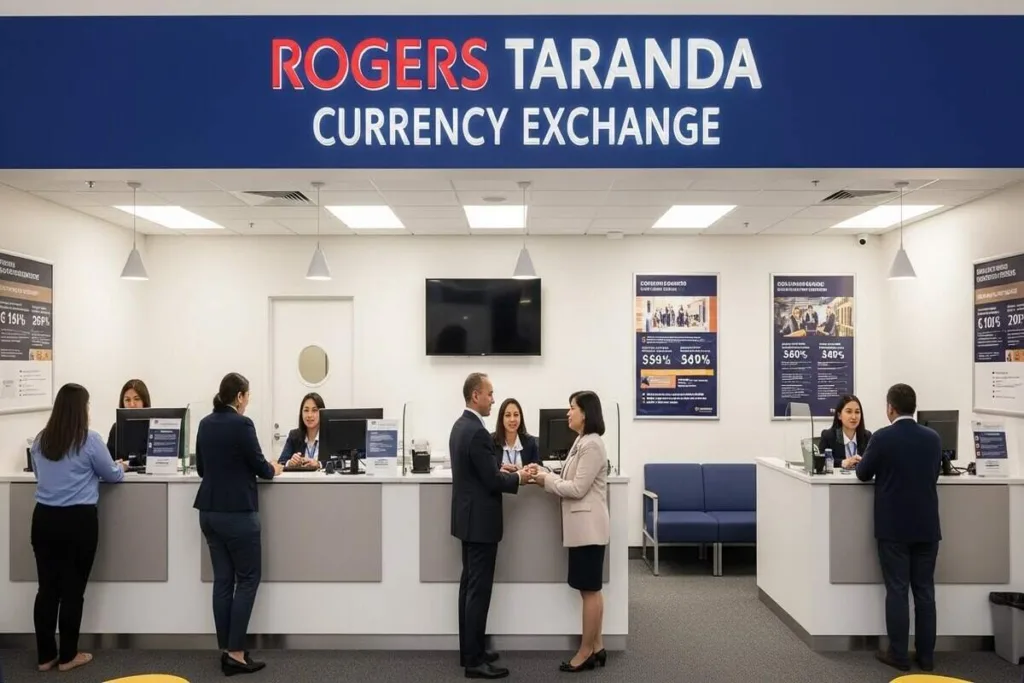
Foreign cash must sometimes be converted to remain usable within the U.S. financial system or for legitimate international needs. In the Gainesville region near Lake Lanier, currency exchange plays a practical role for people preparing for travel, hosting international visitors, relocating, or handling funds brought from abroad.
The service matters because foreign bills cannot be spent locally and must be processed through regulated providers. This guide helps readers recognize common situations where conversion is necessary, understand what factors affect transactions, and approach the process with clear expectations and regulatory awareness

Situations That Signal A Legitimate Need For Currency Exchange In Gainesville, Georgia
Certain life events and practical circumstances clearly indicate when currency exchange becomes necessary rather than optional. Within the first stages of travel planning, relocation, or hosting visitors, foreign cash often needs to be converted so it can be used lawfully and effectively. For residents and visitors in Gainesville, Georgia, recognizing these signals early helps avoid confusion, delays, or reliance on informal solutions that may not meet regulatory expectations. Currency exchange supports lawful use of funds when international activity intersects with everyday local spending needs.
These situations commonly involve travel-related preparation, returning with unused foreign cash, supporting visiting family members, or transitioning into a new living or working arrangement. Each scenario presents distinct considerations tied to usability, timing, and regulatory oversight. Understanding why these moments require conversion allows individuals to make informed decisions while relying on licensed providers that apply required safeguards consistently and appropriately.
International Travel Preparation
Planning ahead helps travelers ensure they have usable cash when arriving abroad, and currency exchange is often part of that preparation. Access to local bills can be important for transportation, tips, or small purchases in places where cards are not widely accepted. Exchanging before departure also allows travelers to check denominations and avoid relying on unfamiliar services after arrival. Identification may be required depending on the transaction type, amount, and applicable legal or regulatory requirements.
Before traveling, people typically focus on a few practical considerations, including:
- Whether their destination relies heavily on cash for everyday spending
- The convenience of having funds ready upon arrival
- The need to avoid delays or limited service options while abroad
Thinking through these points supports smoother international travel spending and reduces uncertainty at the start of a trip.
Converting Unused Foreign Currency After Travel
After returning from international travel, individuals often have leftover foreign cash that cannot be spent domestically. Currency exchange allows those funds to be converted back into U.S. dollars rather than remaining unused.
Foreign bills must generally be in acceptable condition to be exchanged. Identification may be required depending on the transaction type, amount, and applicable legal or regulatory requirements.
Hosting International Visitors
Friends or family members visiting from abroad frequently arrive with foreign currency for daily expenses. Currency exchange services allow visitors to convert funds so they can manage transportation, meals, and personal spending while in the area.
For short-term visits, this option is often more practical than setting up banking arrangements. Identification may be required depending on the transaction type, amount, and applicable legal or regulatory requirements.
Relocation or Temporary Settlement
Individuals relocating for work, education, or family reasons may bring foreign savings into the United States. Currency exchange provides access to usable funds during the transition period before longer-term financial arrangements are established.
This is common for students, visiting professionals, or new residents. According to Federal law, certain cash transactions are subject to recordkeeping and reporting requirements when applicable regulatory thresholds are met, and these obligations are handled solely by the service provider.

What Customers Should Understand Before Exchanging Foreign Currency
Before using currency exchange services, customers benefit from understanding how acceptance rules, verification standards, and regulatory frameworks shape the overall experience. These factors determine whether a transaction can proceed smoothly, requires additional review, or falls outside the scope of available services. For individuals in Gainesville, Georgia, having this context reduces uncertainty and supports informed financial decisions when handling foreign cash.
Currency exchange operates within a structured environment governed by provider requirements and Federal obligations, not individual preference. Acceptance of specific currencies, condition standards, identification considerations, and recordkeeping rules all play a role in how transactions are handled. The sections that follow explain these elements clearly so customers know what to expect, why certain requirements exist, and how regulated exchange services are designed to protect accuracy, transparency, and lawful financial activity.
Currency Acceptance and Condition Standards
Not all foreign cash can be processed, and currency exchange depends on whether specific currencies, denominations, and bill conditions meet provider standards. Some notes may be declined if they are torn, heavily worn, defaced, or no longer in circulation. This is especially relevant after international travel spending or when customers plan to buy or sell currency for practical use. Understanding acceptance rules early helps reduce delays when working with local exchange services.
Acceptance decisions are usually based on several observable factors, such as:
- The type of foreign currency presented
- The denomination and circulation status of the note
- The physical condition of the bill
Final acceptance is determined by the service provider based on operational and regulatory considerations. Confirming these basics supports the ability to convert cash safely and avoids assumptions based on prior experiences elsewhere.
Identification and Verification Considerations
Identification requirements are determined by regulatory applicability, not customer preference, and currency exchange transactions may involve verification depending on the transaction type and legal requirements. This applies whether customers are converting cash safely after travel or engaging with local exchange services for other legitimate needs. Verification exists to support accuracy, lawful processing, and proper documentation across regulated financial services.
These requirements are applied by the provider and are not optional or negotiable. Customers cannot influence whether identification is requested, and preparation does not change how rules apply. Understanding this framework helps set realistic expectations when individuals buy or sell currency and explains why consistent verification standards are part of responsible financial operations.
Federal Recordkeeping and Reporting Framework
Certain transactions are subject to mandatory oversight, and currency exchange is conducted within a Federal framework that includes recordkeeping and reporting when legally applicable. These obligations support transparency and lawful financial activity, particularly when customers exchange foreign currency connected to international travel spending or cross-border activity. All required actions are handled solely by the service provider under Federal law.
Customers do not decide when reporting applies and cannot alter outcomes through transaction behavior. According to Federal law, structuring transactions to evade identification, recordkeeping, or reporting requirements is prohibited. This framework exists to protect the financial system and ensure that all regulated services operate consistently, regardless of transaction purpose or customer intent.
Understanding Service Scope and Related Transactions
Currency exchange is a specific financial service and should not be confused with money transfers or other transaction types. While currency exchange focuses on converting physical cash, other services involve moving funds between parties or locations and follow different legal requirements. Customers using local exchange services benefit from understanding where these boundaries exist, especially when handling funds related to international travel spending.
According to Federal law, covered international remittance transfers, which are separate from standard currency exchange transactions, require pre-payment disclosures and receipts, including transfer amounts, fees, exchange rates, estimated delivery dates, and applicable cancellation or error-resolution rights. Digital or peer-to-peer tools used to buy or sell currency are also subject to provider rules and applicable laws or regulations.
Conclusion
Currency exchange becomes relevant during travel, relocation, hosting visitors, or managing foreign cash received in the United States. Understanding acceptance standards, verification considerations, and regulatory boundaries helps customers avoid confusion and delays. When approached as a regulated financial service, currency exchange supports accurate transactions and lawful handling of funds. Clear expectations allow individuals to focus on practical needs while respecting required safeguards. This is especially useful for residents in the Gainesville region of North Georgia navigating international financial touchpoints.
For additional clarity, customers may choose to speak with a licensed money services business, such as Order Express, to ask general questions about available services. This step can help confirm what to expect before initiating a transaction. With the right information, customers can move forward confidently and make informed decisions aligned with their financial goals.
FAQs
When do people typically need currency exchange in Gainesville in Georgia?
Most needs arise around international travel, hosting visitors from abroad, or converting leftover foreign cash after a trip.
Can foreign visitors exchange cash in the Gainesville area?
Yes. Visitors often exchange foreign currency locally to cover daily expenses like transportation and meals.
Does the condition of foreign bills matter in State of Georgia’s Gainesville community?
Yes. Heavily damaged, defaced, or outdated bills may not be accepted by exchange providers.
Is currency exchange different from money transfers near Lake Lanier?
Yes. Currency exchange involves converting physical cash, while money transfers move funds between parties.
Do exchange services near downtown Gainesville follow Federal rules?
Yes. Licensed providers apply required identification, recordkeeping, and reporting obligations under Federal law.
Educational Disclaimer:
This content is provided for general informational purposes only and does not constitute legal, financial, or regulatory advice. Customers should consult licensed service providers and applicable laws for transaction-specific requirements.

Alvin is a Content and SEO Specialist who creates clear and helpful content about money transfers and payment systems. He focuses on making complex topics easy to understand so readers can learn how these services work in everyday situations.