


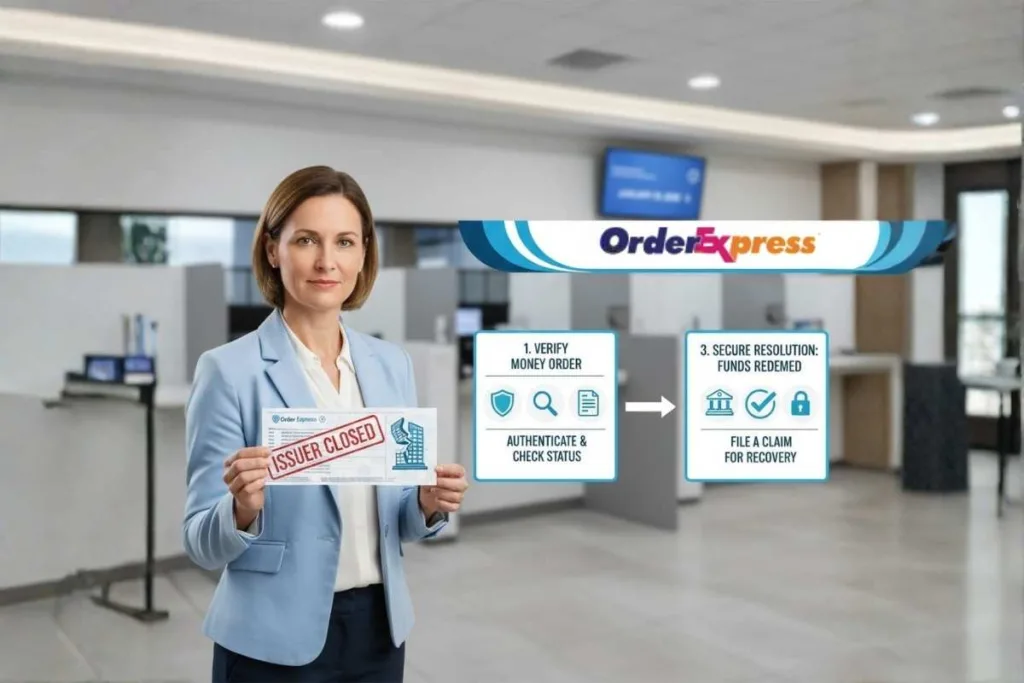
If a money order issuer has closed, the funds are not automatically lost. Recovery depends on verification, backing institutions, and regulatory oversight. Customers must confirm whether a licensed money transfer provider, bank, or surety bond supports the instrument. Order Express provides secure financial services that emphasize transparency and fraud prevention for customers.
Financial institutions apply strict compliance controls after issuer closures. These controls protect consumers, prevent fraud, and meet federal monitoring requirements. Verification may delay payment, but it reduces risk and misuse.
Customers should focus on how to verify the instrument, why compliance matters, and what lawful steps to take. This includes gathering records, contacting backing banks, and working with state regulators. Order Express supports secure transfers through education, transparency, and fraud prevention practices.
Understanding Closed Issuers And Money Orders
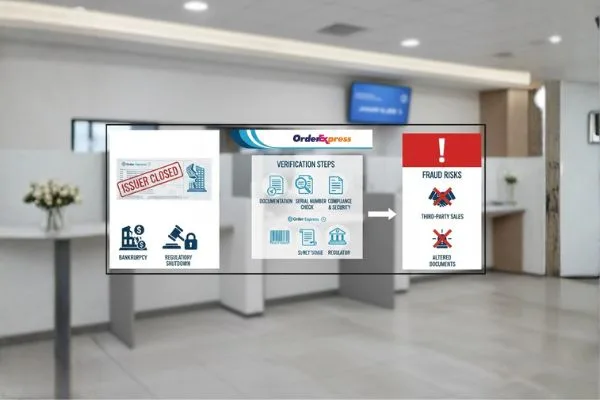
A closed issuer means the company that sold the payment instrument no longer conducts business. Closures may result from bankruptcy, regulatory action, or voluntary shutdown. Customers should proceed carefully before attempting redemption.
What Happens When A Money Order Issuer Closes
A Money Order remains a negotiable instrument, but redemption depends on backing arrangements. Some issuers partner with banks or processors. Others rely on surety bonds required by state licensing.
When an issuer closes, financial institutions increase verification efforts. These reviews protect customers and the financial system. Institutions may delay or refuse payment during verification. This approach aligns with expectations outlined in FinCEN guidance for money services businesses.
Customers should gather documentation before taking action. Receipts, serial numbers, and purchase details support verification. Organized records improve recovery outcomes.
Why Financial Institutions Apply Strict Controls
Financial institutions are required to follow federal monitoring requirements under applicable laws and regulations. These rules support fraud prevention and consumer protection as required under the Anti-Money Laundering Act of 2020, administered by FinCEN.
A Money Order associated with a closed issuer requires enhanced review. Institutions verify authenticity, ownership, and origin. Financial institutions also comply with 31 CFR §1010.311 Currency Transaction Reporting requirements, enforced by federal regulators.
Repeated attempts at different locations often increase scrutiny. Customers protect themselves by using a single lawful recovery path. Patience and documentation reduce delays.
Common Risks Customers Should Avoid
Customers should avoid actions that increase fraud risk or delay resolution. These behaviors often create compliance concerns and frustration.
Customers should not sell the instrument to third parties. They should not alter endorsements, dates, or amounts. Visiting multiple locations to seek payment is also discouraged. Relying on unofficial advice can create additional risks.
Financial institutions maintain recordkeeping and reporting obligations under federal law when processing money order transactions. Financial institutions maintain these records in accordance with 31 CFR §1022.320 Suspicious Activity Report requirements, which support fraud detection.
Lawful Recovery Options For Money Order Holders
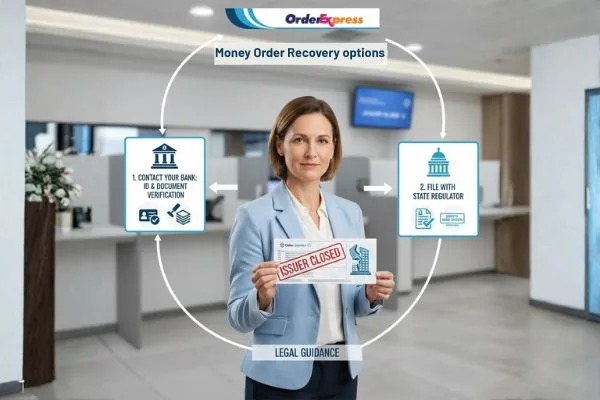
Recovery depends on issuer structure and regulatory oversight. Customers should focus on verification and claims rather than immediate cashing. Customers should rely on transparent and lawful recovery steps supported by banks and state regulators. Separately, Order Express offers international and domestic money transfer services designed for secure customer transactions.
How Backing Banks And Processors May Help
Some issuers use partner banks to process obligations. These banks may continue honoring instruments after issuer closure. Customers should review the instrument carefully for bank information.
A Money Order backed by a bank may remain payable after verification. Banks often require identification and proof of purchase. These procedures align with 31 CFR §1022.210 Customer Identification Program obligations applicable to financial institutions.
Customers may take the following steps to begin verification:
- Identify any bank listed on the instrument
- Contact the bank directly
- Ask about redemption procedures
- Confirm documentation requirements
Clear communication reduces repeated attempts and confusion. Customers seeking alternative lawful services may also review Order Express check cashing options where permitted.
State Regulators And Surety Bond Claims
Many states require issuers to maintain surety bonds. These bonds protect consumers when issuers close. State regulators oversee the claims process and provide guidance. Consumer protections are further explained by the FDIC Consumer Resource Center.
A Money Order purchased from a licensed issuer may qualify for reimbursement through a bond claim. Customers should contact the state financial regulator where purchase occurred. Regulators explain deadlines and submission steps.
Claims often require supporting documentation. Customers typically provide a copy of the instrument, proof of purchase, and identification. This process may take time but offers a lawful recovery path.
When To Seek Professional Guidance
Some issuer closures involve court appointed receivers or administrators. These cases follow formal legal processes. Customers may benefit from professional guidance.
Guidance helps customers understand deadlines and documentation requirements. Missing deadlines may limit recovery options.
Customers should keep organized records throughout the process. Copies of submissions, confirmation numbers, and communication dates support follow up. Accurate records reduce delays and misunderstandings.
How Order Express Supports Responsible Financial Decisions
Order Express provides financial services designed to operate within applicable regulatory frameworks while emphasizing customer trust. The company prioritizes transparency, education, and clear transaction expectations. It does not guarantee redemption of third party instruments.
Order Express issues and sells Money Order products under strict internal controls. These internal controls support consistent processes, clear disclosures, and responsible service delivery for customers. Customers benefit from consistent processes and clear disclosures at every stage.
Order Express supports responsible financial decisions through the following actions:
- Representatives explain transaction requirements clearly before processing
- Staff members review identification and documentation needs with customers
- Teams promote fraud awareness and risk prevention education
- Systems support accurate recordkeeping and compliant transaction monitoring
These actions help customers understand why institutions may refuse certain instruments. Education helps customers avoid risky behavior and unnecessary delays.
A Money Order should always come from a trusted provider. Customers should keep receipts and verify issuers before purchase. These habits reduce future risk and inconvenience.
Order Express keeps company policy separate from federal rules. Federal requirements apply across the financial industry. Order Express applies internal policies to support compliance and service quality.
Order Express does not instruct customers to bypass controls. It encourages lawful recovery paths and informed action. This approach protects customers and the broader financial system.
Order Express supports transactional clarity. Customers understand available services before starting a transaction. Clear expectations reduce frustration and build confidence. Additional service options are available through Order Express, based on customer needs and service availability.
Order Express also supports long term financial confidence. Education empowers customers to use financial instruments responsibly. Informed customers make better financial decisions.
Conclusion
When a money order issuer closes, informed action makes the difference. Customers should pause, gather documentation, and follow verified recovery paths instead of seeking quick cashing options. Backing banks, state regulators, and surety bond claims often provide lawful solutions, but each requires patience and accuracy.
By understanding how closed issuers are handled and why controls exist, customers can protect their funds and move forward confidently. Customers seeking guidance on available services may contact Order Express to learn more about customer focused financial options.
Disclaimer: This article provides general educational information only. It does not provide legal advice or guarantee redemption of any instrument. Order Express does not cash or guarantee third party instruments issued by other companies. Customers should consult appropriate regulators or professionals for issuer specific guidance.
Frequently Asked Questions
Q: Can I Still Cash A Money Order If The Issuer Has Closed?
A: Possibly, but it depends on backing.
- Check for a listed bank or processor
- Contact them directly for verification
- Expect added review and documentation
Q: Why Do Banks Refuse Money Orders From Closed Issuers?
A: Banks must manage fraud risk.
- Closed issuers increase counterfeit exposure
- Federal monitoring rules apply
- Verification protects consumers and institutions
Q: What Documents Do I Need To Recover Funds?
A: Prepare key records.
- Original receipt or copy
- Serial or reference number
- Purchase date and location
- Valid identification
Q: Are Surety Bond Claims A Legitimate Option?
A: Yes, in many states.
- Licensed issuers carry bonds
- State regulators manage claims
- Processing takes time but follows the law
Q: How Does Order Express Help Customers Avoid Issues?
A: Order Express focuses on clarity and compliance.
- Explains requirements before transactions
- Promotes fraud awareness
- Uses controlled processes for customer protection

John is a Content & SEO Specialist who enjoys breaking down complex financial topics, like cross-border payments and money transfers, into content that’s easy to understand. He focuses on creating practical, search-driven content that helps people find answers and make informed decisions.


