


Customers should keep a Money Order receipt because it provides verified proof of payment and supports secure transfers. The receipt helps confirm the transaction amount, date and recipient. It also protects customers from fraud by providing clear documentation if questions arise. Keeping the receipt improves verification and supports compliance with financial record standards.
Order Express, a licensed money transfer provider, uses this receipt to verify transaction details and assist with support inquiries. The receipt helps ensure accurate communication, faster identification and stronger protection against errors. Customers who store their receipts can track spending, resolve issues and maintain reliable financial records.
Order Express is required under federal regulation 31 CFR 1010.430 and internal compliance policies to retain transaction records for a minimum of five years. These records are stored securely and maintained in accordance with Order Express BSA and AML compliance requirements. Administrative, technical, and physical safeguards are used to help protect customer information from unauthorized access.
Why Receipt Retention Matters For Customers
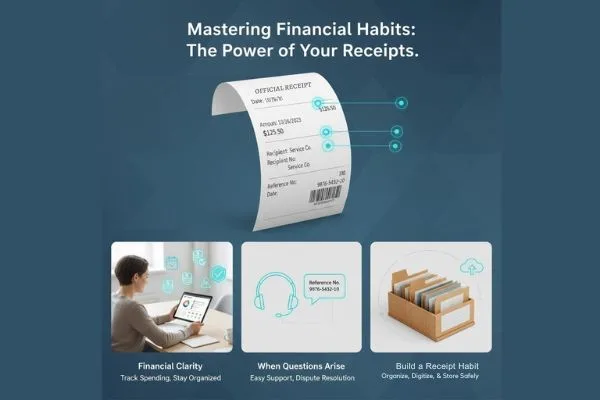
Customers depend on clear transaction records to manage payments with confidence. A receipt offers essential proof of payment and supports future questions about the transaction. When customers use services from Order Express, the receipt becomes a key document that confirms payment details and ensures clarity if concerns arise later. Customers benefit from storing their receipts because they may need them to verify payments, track spending or confirm specific transaction information. Those simple habits offer meaningful protection for customers who use these services regularly.
Why Receipts Support Financial Clarity
Receipts help customers verify their own records with ease. Every receipt shows the date, amount and recipient, which makes home financial tracking simpler. Customers often use receipts when checking for posted payments or reviewing earlier activity. Keeping a receipt protects customers if confusion arises. Without that document, confirming a payment can take longer and cause unnecessary delays. Consumers can find additional educational resources through agencies like the FDIC Consumer Resource Center.
How Receipts Help Customers When Questions Arise
If a customer needs help regarding a past transaction, the receipt provides vital information that helps identify the record. This includes the reference number and transaction amount. Customers can reach customer service faster when they have this information ready. Order Express uses these details to support accurate responses and smooth communication. Customers who send payments may also reference the Order Express money transfer service for guidance on secure transactions.
Why Customers Should Develop A Receipt Habit
Many customers treat receipts as temporary documents, but they hold important value. A stored receipt helps customers confirm payments and track personal spending. With simple organization, customers can maintain cleaner financial records at home. These habits reduce stress and improve accuracy for customers who rely on Money Order services or other payment solutions. Financial institutions follow guidelines such as the FFIEC BSA AML Manual Appendix to support proper recordkeeping practices at the institutional level.
How Long To Keep A Money Order Receipt
Transactions involving more than ten thousand dollars in cash during a single business day may require a Currency Transaction Report. In these situations, staff may request source of funds documentation as required by federal regulations.
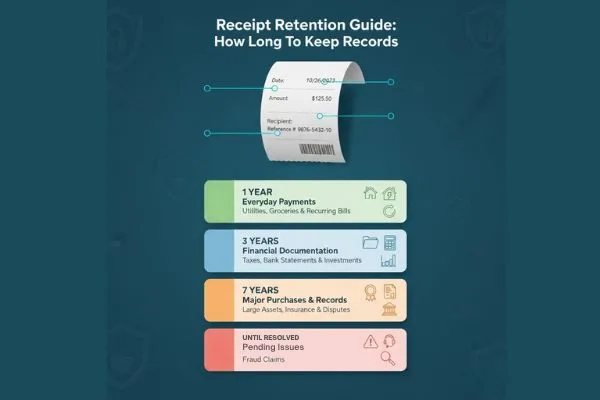
Customers often wonder how long they should store receipts at home. The right timeframe depends on the nature of the payment and the customer’s personal financial needs. While receipts do not expire, customers benefit from clear guidelines that help them decide when to keep or discard them.
Common transaction thresholds that may require additional review include:
| Dollar Amount | What This May Trigger |
| $3,000 or more | Identification may be required |
| More than $10,000 | Currency Transaction Report filing |
| Unusual patterns | Additional review or Suspicious Activity Report consideration |
These retention recommendations help customers stay organized and protect their financial information without holding documents longer than necessary.
One Year For Everyday Payments
Customers who use Money Order services for simple, routine payments should hold their receipts for one year. Payments like rent, utilities or other monthly expenses often settle quickly, yet customers sometimes need proof of payment later. One year gives customers ample time to confirm accuracy or resolve follow-up questions. This period protects customers from common errors that may arise in personal accounting.
Three Years For Financial Documentation
Some customers use transactions that relate to broader financial needs. In those cases, customers should keep their receipts for three years. This timeframe supports reviews that often occur when customers reconcile personal financial statements. It also allows customers to verify older payments during financial planning. While not a legal requirement for customers, this practice offers strong protection for those who manage records carefully.
Up To Seven Years For Major Concerns
Customers sometimes complete large or long-term payments. These may relate to insurance agreements, major home expenses or other transactions that require lasting documentation. In these cases, customers should keep the receipt for up to seven years. Those payments may come under review long after the original date. Storing the receipt helps customers confirm their payment history and respond confidently if questions arise later. Consumer protection guidance from the CFPB Consumer Resources can help customers understand long-term documentation benefits.
When Customers Should Hold A Receipt Longer
If customers face an unresolved concern, they should keep the receipt until the issue ends. This includes delayed payments, unclear account updates or cases where customers need additional support. If the original transfer required two forms of identification or involved an AML compliance review or hotline escalation, customers should keep the receipt together with their ID copies for at least five years. A receipt helps verify details and speeds up resolution. Holding the document until the matter is fully resolved offers the strongest protection.
Customer Best Practices For Storing A Money Order Receipt
Customers improve their financial record-keeping when they use simple storage methods at home. A small amount of planning helps customers protect sensitive information and keep records accessible. These habits provide value for customers who rely on Order Express for payment services.
Easy Storage Methods For Home Use
Customers should store receipts in a clean, dry place. A small envelope works well for short-term storage, while a folder or binder supports longer retention. Those who want stronger protection may use a small home safe. Physical storage prevents damage and helps protect personal information from loss. Consumers may also review fraud-prevention principles outlined in the OFAC Compliance Framework.
Digital Backups For Extra Safety
Customers can save digital copies of their receipts. A quick photo or scan helps ensure a backup remains available if the paper copy becomes damaged or misplaced. Digital storage also offers better search options. Customers can save receipts in labeled folders on their computer or phone. For reference on verification practices used by financial institutions, see the FinCEN Guidance Hub for MSBs.
Why Customers Need Receipts For Support Inquiries
Customers should keep receipts available when they contact customer service for help with a transaction. A receipt contains essential information needed to review the case. Order Express uses this information to identify the specific transaction. Customers save time by presenting the receipt during the inquiry process. Customers may also explore additional services through Order Express check cashing.
Keeping Organized Records For Frequent Users
Customers who use Money Order services often benefit from creating a dedicated space for receipt storage. They can label receipts by date or payment type. This makes it easier to locate a specific record later. Organization improves clarity and speeds up reviews for customers who track payments closely.
Additional Helpful Topics For Customers
Customers who want stronger financial control often benefit from related guidance about record management. The topics below help customers understand how receipts support broader financial goals.
Tracking Payments Over Time
A receipt helps customers follow their financial activity across the year. Keeping receipts organized helps them identify patterns, confirm completed payments and avoid misunderstandings. Customers can track where funds went and how often certain payments occur. This improves budgeting and confidence.
Receipts And Personal Budgeting
Customers who maintain accurate records can budget more effectively. Reviewing receipts each month helps reveal expenses that might get overlooked. Receipts create a clearer picture of spending. This habit supports stronger decision-making and helps customers spot unusual charges.
When Customers May Safely Dispose Of A Receipt
When the recommended retention period passes and all concerns are resolved, customers may dispose of the receipt. They should shred the document to protect private information. This careful disposal method supports privacy while keeping home records clean.
Benefits Of Thorough Documentation
Customers who keep accurate documentation gain more control over their financial life. These records help verify payments and support future questions. Receipts protect customers by offering essential proof for past transactions. Customers seeking other convenient services can visit Order Express other services.
How Receipt Retention Supports Customer Security
Security plays a major role in handling financial documents. When customers store receipts properly, they reduce risk and protect private information. These habits strengthen personal financial security.
Protecting Private Details At Home
Receipts contain sensitive details that customers should protect. Safe storage helps prevent loss or accidental misuse. Customers who maintain secure home systems stay better protected against risks.
Avoiding Confusion With Clear Records
Customers avoid confusion when they keep receipts organized. They can verify past payments and locate exact details quickly. This reduces frustration and supports better financial control. Clear documentation helps customers respond to questions with confidence.
Reviewing Security Habits
Customers should periodically review how they store documents. This helps ensure receipts remain safe and accessible. A quick review can reveal ways to strengthen storage or improve organization habits. Customers benefit from revisiting these methods once a year. Financial institutions follow structural requirements such as those outlined in 31 CFR 1022.210 Customer Identification Program, although these rules apply to institutions, not customers.
Support From Order Express For Customer Concerns
Order Express supports customers who need help with past transactions. Receipts help staff verify the correct transaction and respond accurately. Customers gain smoother service when they have their receipt ready during an inquiry. Customers seeking help may contact the team through the Order Express contact page.
Conclusion
Keeping your Money Order receipt gives you a clear record of your payment and stronger control over your financial activity. When you store your receipts for the recommended time, you protect yourself from confusion, delays and unnecessary stress. Simple organization, secure storage and digital backups help you access key details whenever you need support. These habits make it easier to confirm payments, track expenses and communicate with Order Express.
Complete your next Money Order or payment with confidence. Visit Order Express today and keep your receipt safe for future support and peace of mind.
Important Note: Federal law under 31 CFR 1022.320 requires money services businesses to file a Suspicious Activity Report when activity appears suspicious. Order Express employees are prohibited from disclosing whether such a report has been filed.
Disclaimer: This article offers general information for customers. It does not provide legal, accounting or tax advice. Order Express policies remain separate from federal rules and customers should reference each source independently.
Frequently Asked Questions
Q: How Long Should I Keep A Money Order Receipt At Home?
A: Keep routine payment receipts for one year, financial-related receipts for three years and major payment receipts for up to seven years. Hold any receipt longer if a question or delay remains unresolved.
Q: Why Is My Money Order Receipt Important?
A: Your receipt proves payment, confirms transaction details and helps resolve questions. It includes the amount, date and reference number, which support faster help from customer service.
Q: What Is The Best Way To Store A Money Order Receipt?
A: Use:
- A dry envelope or folder
- A small home safe for sensitive records
- A digital backup (photo or scan)
This protects details and keeps records accessible.
Q: When Can I Safely Throw Away A Money Order Receipt?
A: Dispose of a receipt after your recommended retention period and once all concerns are resolved. Shred the document to protect your personal information.
Q: What Should I Do If I Lose My Money Order Receipt?
A: Try to recall key details:
- Date of purchase
- Amount
- Location
- Name used on the transaction
Contact customer service and provide all information you remember to help identify the transaction.

John is a Content & SEO Specialist who enjoys breaking down complex financial topics, like cross-border payments and money transfers, into content that’s easy to understand. He focuses on creating practical, search-driven content that helps people find answers and make informed decisions.


