


When paying the IRS with a money order, accuracy is essential. Start by writing the exact IRS payee name provided in your payment instructions, enter your name and address in the purchaser section, and include your tax account or notice number whenever requested. Sign only in the purchaser area, keep the detachable receipt, verify the correct IRS mailing address on IRS.gov before sending your payment, and use a trackable mailing service so you can confirm delivery if questions arise later.
Avoid stapling or clipping documents to the money order, as this can damage it during processing. Track your payment’s status and contact the issuer if it’s delayed. Always purchase money orders from licensed financial service providers, and stay alert for scams. Prepaid funds eliminate bounce risks, receipts allow for tracing, and secure mailing helps prevent loss or fraud. Using these steps ensures your payment reaches the right place safely and on time.
Before purchasing your next money order, it’s helpful to understand how it works from start to finish. Money Orders: How To Buy, Fill Out, Cash And Track Them Safely walks through the essentials, including safe purchasing, accurate completion, tracking, and cashing options.
Note: Order Express, Inc. is a registered Money Services Business (MSB) and complies with applicable federal and state anti-money laundering (AML) and customer identification requirements. Depending on the transaction and applicable legal or company requirements, customers may be asked to present valid identification. Always follow the payment instructions provided by the IRS or the issuing financial service provider.

Understanding How A Money Order Works
A money order is a prepaid payment instrument that provides guaranteed funds to the recipient. When paying the IRS, it offers a secure alternative to mailing cash and can be useful for taxpayers who prefer paper payments or do not use traditional banking services.
Data Protection and GLBA Compliance: Order Express complies with the Gramm-Leach-Bliley Act (GLBA) by safeguarding customer data through strong encryption, secure storage, and restricted employee access. Only authorized staff may handle sensitive information, and all access is monitored. The company also ensures that third-party providers maintain the same level of data protection and confidentiality.
What Is A Money Order
A money order is a paper payment instrument purchased at a fixed value. You pay the total amount upfront, plus a small service fee. You can buy money orders from various places such as banks, post offices, or licensed financial service providers.
Why People Use Money Orders
Money orders are widely used because they provide a secure and reliable way to make payments. For IRS payments in particular, they offer several advantages:
- Guaranteed Funds: Because a money order is prepaid, the IRS does not need to verify available funds before processing your payment.
- Safer Than Mailing Cash: Sending a money order is generally more secure than mailing cash, reducing the risk of loss or theft.
- Receipt and Tracking: Every money order includes a receipt or serial number that helps you track the payment or request assistance if it is lost before being processed.
If you want to learn more about the general advantages of money orders, including accessibility for customers without bank accounts, read our general guide to filling out a money order.
When To Use A Money Order
Money orders are commonly used for official payments, including certain IRS tax payments that require mailing. Always follow the payment instructions provided with your IRS notice or official IRS guidance to help ensure your payment is applied correctly.
Filling Out A Money Order For IRS Payments
Completing a money order accurately ensures it is valid and accepted by the recipient. Small mistakes can delay processing or even make the payment void. Follow these simple steps to make sure your payment goes through smoothly.
Step One: Write The Recipient’s Name
Fill in the payee line with the full name of the person or organization you are paying. Write legibly using blue or black ink. Always double-check the spelling, as incorrect information could delay or prevent processing. Do not leave the payee line blank, since that could allow anyone to claim or cash the instrument.
Step Two: Add Your Information
Complete the purchaser section with your full name and current address. Some forms may also request your phone number. Providing this information helps the recipient or financial institution verify the source if questions arise. Keep your handwriting clear to avoid confusion.
Step Three: Include Reference Details
If you are paying the IRS, enter the payment reference exactly as instructed on your IRS notice or payment voucher. Including the correct identifying information helps ensure your payment is credited to the appropriate tax account.
Step Four: Sign The Money Order
Sign your name on the designated “purchaser” or “signature” line. This signature authorizes the payment and verifies that you are the purchaser. Do not sign the back of the money order unless instructed by the recipient or financial institution. The back is typically reserved for the recipient’s endorsement.
Step Five: Keep The Receipt Separate
Always detach and keep the receipt given at purchase. The receipt contains the tracking number needed to verify payment or request a replacement if the document is lost or stolen. Store it safely until the payment is confirmed as received and processed.
Step Six: Avoid Alterations
Once you fill out the money order, avoid making changes or crossing out information. Alterations may void the instrument and cause it to be rejected. If you make an error, return to the issuing location and ask about replacement options.
Common Mistakes When Paying the IRS with a Money Order
Avoid these common errors:
- Losing the purchase receipt.
- Using an outdated IRS mailing address.
- Forgetting to include the required payment reference.
- Leaving the payee line incomplete.
- Signing in the wrong location.
- Mailing without tracking.
Sending And Tracking A Money Order Safely
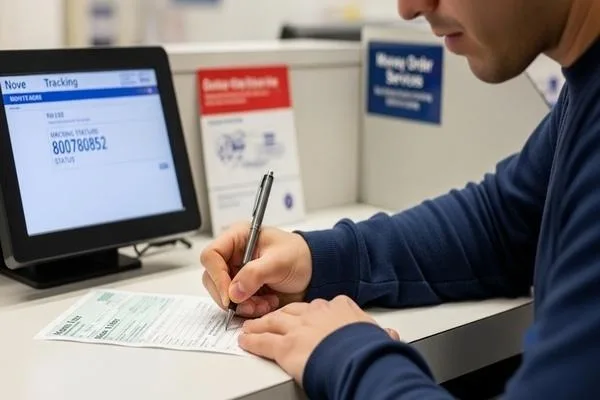
Once your money order is completed, the next step is ensuring it reaches the recipient securely. Mailing or delivering a financial instrument requires care, especially when dealing with government or large business payments.
Confirm The Mailing Address
Before sending a payment, always verify the exact address and department. Different agencies or organizations may have separate addresses for payments and correspondence. Confirm the correct destination through the official website or customer service contact of the organization you are paying.
Use Secure Delivery Methods
When mailing a payment, use a secure and trackable method such as certified or registered mail. This provides proof of delivery and protects you if the envelope is lost. Keep the tracking number until the recipient confirms receipt. Many postal and courier services allow you to check delivery progress online.
Avoid Attaching With Clips Or Staples
Do not staple or paper-clip your money order to any other document. Instead, place it and any accompanying forms or vouchers loosely inside the envelope. Fasteners can damage the Payment Instrument Or Make It Unreadable During Processing.
Track And Verify Payment
Most issuers allow you to track your money order using the serial number on your receipt. Tracking can confirm when it has been cashed or deposited. If the payment does not arrive within a reasonable time, contact the issuer for assistance. Some issuers may charge a fee to replace or refund a lost or stolen instrument.
Delivery confirmation only verifies that your envelope reached its destination. Continue keeping your money order receipt and supporting documentation until your IRS payment has been processed and reflected in your records.
Keep Records For Your Protection
Retain the receipt, tracking confirmation, and any proof of delivery for your records. Good recordkeeping protects you from disputes and helps with documentation if questions arise about your payment. Many financial institutions and service providers encourage customers to maintain these records for personal accountability.
If your payment includes an IRS notice, voucher, or other supporting documentation, keep copies together with your mailing confirmation and money order receipt for future reference.

Managing Payments Responsibly And Securely
When sending a money order to the IRS, following secure payment practices helps reduce processing delays and protects your payment records.
Know Your Source
Only buy money orders from licensed and reputable financial service providers. These businesses comply with registration and anti-money laundering requirements under federal law. Avoid purchasing from unverified sellers or individuals.
Be Aware Of Fraud
Scammers sometimes use fake money orders to trick people into sending goods or personal information. To protect yourself, verify authenticity with the issuing company before depositing or accepting a money order. Never accept a payment for more than the agreed amount or send refunds from an unverified instrument.
Separate Company Policies From Federal Rules
Federal laws like the Bank Secrecy Act and the USA Patriot Act set nationwide standards for money service businesses. These standards govern recordkeeping, suspicious activity reporting, and identification verification. Licensed businesses, including those that issue or sell money orders, must follow these regulations independently of their internal policies. Each company has its own compliance procedures to meet these requirements, but they do not change or replace federal rules.
Follow Recordkeeping Recommendations
Keep your receipt, tracking information, and any related payment documents for your records. The length of time you retain them depends on your personal recordkeeping needs and any applicable legal or tax requirements.
Seek Help If Unsure
If you are uncertain how to complete a money order or other financial transaction, ask for guidance at the issuing location. Trained representatives can explain general procedures but will not provide tax or legal advice. Customers should always consult the recipient organization directly regarding specific payment requirements or forms.
Choosing The Right Payment Method For IRS Payments
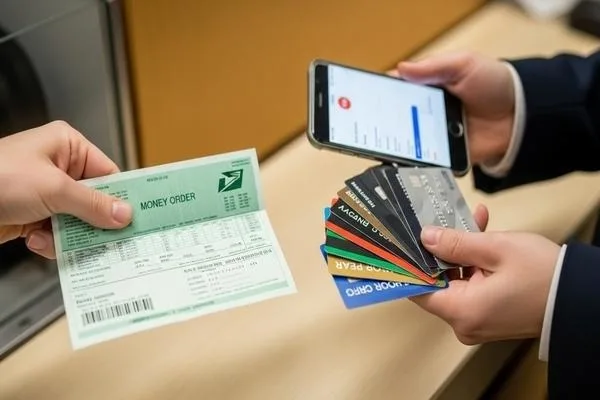
The IRS accepts several payment methods depending on the type of tax payment being made. If you choose to pay with a money order, understanding how it compares with other options can help you decide whether it is the right choice for your situation.
While the IRS offers several payment methods, this guide focuses on using a money order correctly. Choose the payment method that best fits your circumstances and follow the IRS instructions for your specific payment type.
Money Orders vs. Cashier’s Checks
Both payment methods provide guaranteed funds. However, money orders are often easier to obtain because they generally do not require a bank account, making them a practical option for many taxpayers.
Money Orders vs. Personal Checks
Unlike a personal check, a money order is prepaid, so there is no risk of the payment being returned because of insufficient funds. This can provide additional confidence when mailing a payment to the IRS.
Money Orders vs. Electronic Payments
Electronic payments may offer faster processing for eligible taxpayers, but some individuals prefer money orders because they provide a paper payment record that can be mailed together with supporting IRS payment documents when required.
How to Verify the Correct IRS Payment Address
Before mailing your money order:
- Verify the mailing address on IRS.gov.
- Confirm the address matches your payment type.
- Include any required payment voucher.
- Double-check the address before mailing because payment locations may change.
What Happens After the IRS Receives Your Money Order
After the IRS receives your payment, processing time varies depending on the payment type and processing center. Keep your receipt and mailing confirmation until your payment appears on your account. If processing takes longer than expected, contact the IRS using the official contact information for your payment method.
Conclusion
Paying the IRS with a money order is a simple and secure option when every detail is completed accurately. Before mailing your payment, verify the correct IRS payee information, include any required tax account or notice number, keep your purchase receipt, and use a trackable mailing service. These steps can help reduce processing delays and provide documentation if questions arise after your payment is sent.
Order Express Compliance Information
Order Express, Inc. is a registered Money Services Business (MSB) with the Financial Crimes Enforcement Network (FinCEN) and follows applicable federal and state regulatory requirements. The company maintains Anti-Money Laundering (AML) and Know Your Customer (KYC) procedures and may request identification when required by law or company policy.
Note: If you suspect fraud, unauthorized use, or have concerns about a money order transaction, please contact the Order Express Compliance Department at 1-888-666-1602 or email cumplimiento-usa@orderexpress.com. You may also report suspected suspicious activity directly through our secure channels listed at orderexpress.com.
Disclaimer: This article is provided for educational purposes only and does not constitute financial, legal, or tax advice. Always follow the payment instructions provided by the IRS for your specific payment. For assistance with Order Express services, visit your nearest authorized location or contact our Customer Service team.
Need help with money orders or other financial services? Visit your nearest authorized Order Express location or contact our Customer Service team to learn more about available payment solutions.
Frequently Asked Questions
How Do I Fill Out A Money Order For The IRS?
Write the IRS payee exactly as instructed, enter your name and address, include any required tax account or notice number in the memo field, sign the purchaser line, and keep your receipt.
Where Should I Write My IRS Account Or Notice Number?
Enter it in the memo or “Payment For” section if requested in your IRS payment instructions so the payment can be applied correctly.
Should I Staple My Payment Voucher To The Money Order?
No. Do not staple, clip, or attach anything directly to the money order. Place it and any required payment voucher loosely inside the envelope.
How Do I Know The Irs Received My Money Order?
Use your mailing service’s tracking to confirm delivery, then keep your receipt until the IRS processes your payment. Delivery confirmation is not the same as payment processing.
What Should I Do If I Make A Mistake On A Money Order?
Do not erase or overwrite information. Contact the issuer about replacement or correction procedures and keep your purchase receipt.
Can I Use More Than One Money Order To Pay The IRS?
Yes, if needed. Follow the IRS payment instructions carefully and include the required payment information on each money order.

John is a Content & SEO Specialist who enjoys breaking down complex financial topics, like cross-border payments and money transfers, into content that’s easy to understand. He focuses on creating practical, search-driven content that helps people find answers and make informed decisions.


