


A money transfer sent to a closed bank account may be rejected and returned, but the outcome depends on the receiving institution and the transfer’s status. The funds are not necessarily lost, and a refund is not automatic in every case.
If you sent money to an account that is no longer open, contact your transfer provider with your receipt details. This guide explains possible outcomes, what to do next, and how applicable consumer protections may help.
Keeping your receipt and checking the status of a returned transfer are important steps when a deposit fails. Our Money Transfer Process, Timing, Limits, & Management Guide covers related topics that can help you navigate the process.
Note: Money transfer services are subject to applicable federal and state requirements. Specific services, consumer rights, and transaction conditions may vary.
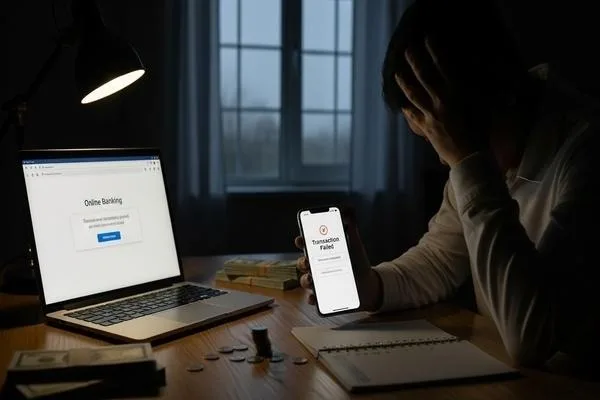
When A Money Transfer Cannot Be Posted To A Closed Account
When a receiving bank cannot credit a transfer to the intended account, it may reject or return the payment. In some circumstances, additional review or a different handling process may be necessary. The outcome depends on the bank, payment method, and status of the funds.
1. The Transfer May Be Declined Or Returned
A receiving bank may reject a transfer if the destination account is closed or cannot accept the payment. The transfer may then be returned through the applicable payment network.
A rejected transfer does not necessarily mean the money is immediately available to the sender. The sending provider may need to confirm the transaction’s status and whether the funds have been returned before explaining the available refund or correction options.
2. The Bank May Issue A Check Or Alternate Payment
Depending on the type of payment and the receiving institution’s procedures, a bank may offer another way to return or distribute funds. This should not be assumed for every money transfer.
If the recipient’s account is closed, the sender should first contact the transfer provider to confirm the payment status. The receiving bank may also be able to explain how it handles incoming payments to closed accounts.
3. The Bank May Reopen Or Hold An Account
A bank’s handling of an incoming payment may depend on why the account was closed and the institution’s policies. In some circumstances, the bank may need additional information before determining what happens to the payment.
Do not assume a closed account will be reopened or that the funds will automatically reach the intended recipient. Contact the transfer provider and, when appropriate, the receiving bank for information about the specific transaction.
What To Do If You Sent Money To A Closed Account
If you discover that the receiving bank account is closed, contact the transfer provider as soon as possible.
- Review your receipt. Check the transaction date, destination, recipient details, and any available status information.
- Contact the transfer provider. Explain that the receiving account may be closed and ask whether the payment has been completed, rejected, or returned.
- Ask about available options. Depending on the transaction, the provider may explain whether a refund, correction, or further investigation is possible.
- Keep your records. Retain the receipt and any correspondence about the issue.
Avoid sending another payment solely to replace the first one until you understand what happened to the original transfer.
How Long Can a Returned Transfer Take?
There is no single return timeline that applies to every money transfer sent to a closed account. Timing may depend on the payment method, the receiving institution, and when the return is confirmed.
Ask your transfer provider whether the funds have been returned and what refund or correction procedures apply. For covered remittance transfers, specific federal consumer protections may apply, as explained below.

Refunds, Cancellations, And Error Assistance
When a transfer cannot reach the intended account, the next steps depend on the transaction status, applicable service terms, and any relevant consumer protections. Refunds, cancellations, and error investigations are different processes, and eligibility may vary.
Refund Options For A Transfer To A Closed Account
If the receiving bank rejects or returns a transfer, contact Order Express to ask about the transaction’s status and applicable refund options.
The availability, amount, and timing of a refund depend on the transaction and applicable terms or legal requirements. Do not assume that a rejected transfer creates an immediate or automatic refund.
Can You Cancel A Transfer Sent To A Closed Account?
For covered remittance transfers, federal law generally provides a cancellation right when the sender makes a qualifying request within 30 minutes after payment and the funds have not been picked up or deposited. Other conditions and exceptions apply.
If you discover incorrect account information, contact Order Express promptly and review your receipt for the applicable cancellation instructions.
For a broader explanation, see What Happens If A Money Transfer Cannot Be Cancelled?.
Reporting A Possible Transfer Error
If you believe a transfer was not delivered as expected, contact Order Express promptly.
For a covered remittance transfer, federal rules generally allow the sender to report an error within 180 days after the disclosed date when the funds were expected to become available. The provider generally has 90 days to investigate and determine whether an error occurred and must communicate its findings within the applicable regulatory timeframe.
Not every unsuccessful transfer is automatically a covered remittance error. Review your receipt and applicable disclosures for instructions.
Contact Order Express About A Failed Transfer
If you believe a transfer was sent to a closed account, contact Order Express through its official contact page.
Have your transaction receipt and relevant details available when contacting customer service. Explain the issue and ask what information is needed to check the transfer’s status.
Use an authorized customer-service channel when sharing sensitive transaction information. Do not post account details or transaction references publicly.

Federal Consumer Rights For Covered Remittance Transfers
Certain international money transfers are covered by the federal Remittance Transfer Rule, part of Regulation E. These protections do not automatically apply to every domestic money transfer.
Cancellation Rights
For covered remittance transfers, a sender generally has the right to cancel within 30 minutes after payment when the request satisfies applicable conditions and the funds have not been picked up or deposited. Special rules may apply to transfers scheduled in advance.
Error-Resolution Rights
For a covered remittance transfer, the sender generally has 180 days after the disclosed date of availability to report a qualifying error. The provider generally must investigate and determine whether an error occurred within 90 days and communicate the results as required by law.
Refunds And Applicable Conditions
A refund may be available when a covered cancellation or error-resolution rule applies. Other refunds depend on the transaction, applicable terms, and relevant state law.
For additional information, review the CFPB’s explanation of remittance transfer rights and your transaction disclosures.

Avoiding Future Money Transfer Issues
Checking account information before sending money can reduce the risk of failed deposits. Confirm the recipient’s current bank details and ask whether the destination account is able to receive the payment.
Be cautious of anyone who unexpectedly asks you to send additional money to release or recover a transfer. If you suspect fraud, contact Order Express through an official customer-service channel.
Confirm Details Before Sending
Before sending money to a bank account, confirm the recipient’s name and the account details required for the transfer, including the routing number when applicable.
Ask the recipient to confirm that the account is still open and able to receive funds. Accurate details reduce the risk of errors but cannot guarantee successful delivery.
Update Payers Before Closing An Account
Before closing a checking or savings account, notify anyone who regularly sends payments to it, including employers, government agencies, and family members. Provide updated account information through an appropriate, secure channel.
This can reduce the likelihood of payments being sent to an account that is no longer active.
Keep Your Transfer Receipt And Status Information
Retain your money transfer receipt and any confirmation details provided by the service. This information can help customer service identify the transaction when you report a possible problem.
Ask Order Express which status information is available for your transfer and how to obtain updates.
Conclusion
A money transfer sent to a closed account may be rejected, returned, or require additional review. The outcome depends on the receiving bank and the transfer’s status.
If this happens to you, contact Order Express with your transaction details and ask about the next steps. Keep your receipt, confirm the account information, and review any applicable refund or error-resolution disclosures.
For information about how personal information is handled, consult Order Express’ current privacy notice.
Disclaimer: This article provides general educational information and is not legal advice. Transfer outcomes, refund eligibility, and consumer protections depend on the transaction and applicable requirements. Review your receipt and service disclosures and contact Order Express for information about your specific transfer.
Frequently Asked Questions
What happens if I send a money transfer to a closed account?
The receiving bank may reject or return the payment. Contact your transfer provider to confirm the transaction’s status and ask what refund or correction options may be available.
Can I cancel a transfer sent to a closed account?
Cancellation may be possible depending on the transfer and its status. For covered remittance transfers, federal cancellation rights apply when the required conditions are met. Contact Order Express promptly and review your receipt for instructions.
How long do I have to report a money transfer error?
For a covered remittance transfer, you generally have 180 days after the disclosed date of availability to report a qualifying error. Contact the provider promptly and consult your receipt for the applicable instructions.
What should I do before closing my bank account to avoid payment issues?
Notify people and organizations that regularly send money to your account. Provide your updated bank details through a secure channel before the account is closed.
How can I check the status of a money transfer sent to a closed account?
Contact Order Express using the customer-service information provided with your transfer. Have your receipt available and ask whether the payment has been completed, rejected, or returned.’ll see transfer status updates until the recipient collects funds, ensuring transparency and accuracy.

John is a Content & SEO Specialist who enjoys breaking down complex financial topics, like cross-border payments and money transfers, into content that’s easy to understand. He focuses on creating practical, search-driven content that helps people find answers and make informed decisions.


