


Tracking a money transfer in real time helps you know exactly where your funds are at every stage of the process. Whether you’re sending money to family, paying for services, or managing business transactions, today’s secure digital systems make it easier to monitor transfers instantly. Licensed money transmitters and financial services now offer online tools, mobile apps, and customer support channels that show when your money is sent, verified, and received.
Real-time tracking also helps you detect errors early, prevent fraud, and stay compliant with financial regulations like the Bank Secrecy Act (BSA) and anti-money laundering (AML) rules. Understanding how these systems work allows you to transfer money safely, minimize delays, and protect your information every time you send funds across borders.
Order Express Compliance Note: Order Express, Inc. is a registered Money Services Business (MSB) under the U.S. Department of the Treasury’s Financial Crimes Enforcement Network (FinCEN). The company maintains a comprehensive BSA/AML Compliance Program approved by its Board of Directors, ensuring compliance with 31 CFR Chapter X and related federal and state money transmission laws.
Note: Order Express safeguards customer data under the Gramm–Leach–Bliley Act (GLBA) privacy and security standards

Understanding How International Money Transfers Work
Every international transfer follows a carefully structured and regulated pathway designed to protect your funds from start to finish. Financial institutions use verified systems, compliance checks, and encrypted communication networks to ensure money moves securely between countries. Understanding how this process works gives you a clearer view of where your money goes and what safeguards are in place at each step.
Behind every successful transaction is a network of global banks, intermediary partners, and regulatory systems such as SWIFT that work together to confirm accuracy and prevent fraud. Knowing these details helps you set realistic expectations for processing times and documentation requirements. It also empowers you to track your money transfer efficiently, recognize possible delays, and stay confident that your funds are moving safely toward their intended destination.
How International Transfers Move Through The System
When you send an international payment, your financial institution routes the funds through intermediary banks before the recipient’s institution credits the final amount. These banks often communicate using secure global networks such as SWIFT. This ensures accuracy and compliance with both federal laws and internal security controls. The process allows each party to verify the origin, legitimacy, and destination of the funds.
How Long Money Transfers Usually Take
On average, international transfers take one to five business days to process. The timeframe depends on the countries involved, the intermediary banks, time zones, and the complexity of compliance procedures. Delays can occur if additional verification or documentation is required under anti-money laundering (AML) or Bank Secrecy Act (BSA) rules.
What Information Helps Track Your International Money Transfer
Tracking an international money transfer requires more than just patience, it depends on having the correct details. Each transaction passes through multiple verification points, and providing accurate information ensures your funds can be traced quickly and safely. Financial institutions use data such as sender and recipient names, account details, reference numbers, and transfer amounts to locate and confirm each transaction. Missing or incorrect information can delay the process or prevent successful delivery. By keeping your records organized and precise, you help your financial provider maintain transparency and accuracy throughout your transfer journey.
To follow your transaction’s progress, you need:
- Sender and recipient names
- Account details for both parties
- Transaction or reference number
- Transfer amount and date. Providing accurate details ensures your transfer can be tracked efficiently. Financial institutions rely on this information to locate and confirm transaction status within their secure systems.
When you send money abroad, knowing exactly what information is needed can make tracking your transfer simple and reliable. Banks and licensed money transmitters rely on specific data points to trace payments within secure international networks. These include names, account numbers, reference codes, and transfer dates. Each piece of information acts as a digital fingerprint that helps verify and confirm your transaction’s progress. Supplying complete and correct details not only speeds up the tracking process but also reduces the risk of delays, errors, or compliance issues during your transfer.
Tracking Your Money Transfer Safely And Accurately
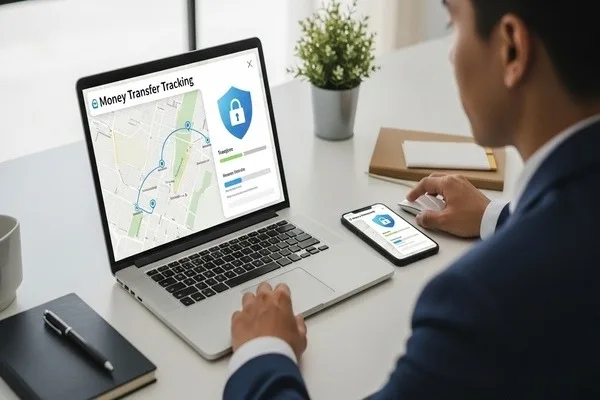
Tracking a money transfer today is faster and more transparent than ever before. Modern financial technology gives customers direct visibility into every stage of their transaction, from initiation to completion. Licensed money transmitters and financial institutions now provide real-time tracking through secure apps and online banking systems, allowing you to see when your funds are sent, verified, and received. These tools enhance security by reducing uncertainty and minimizing errors. With each update, customers can confirm that their money is moving safely through regulated financial channels.
However, understanding how these systems work helps you make the most of their benefits. Providers may use customer identification verification, compliance reviews, and Know Your Customer (KYC) procedures to confirm the legitimacy of every transaction. If online tracking is unavailable, contacting customer service with your reference details ensures your transfer remains traceable and secure. Compliance checks may occasionally delay processing, but they play a critical role in protecting your funds and preventing financial crimes. Real-time alerts and notifications keep you informed at every step, allowing you to act quickly if problems occur. By learning how tracking tools, compliance systems, and support channels work together, you can manage your money transfer confidently and stay in full control of your financial transactions.
Using Your Provider’s Tracking Tools
Most licensed financial service providers now include digital tracking tools within their online or mobile banking systems. After you complete your transfer, you can log in, enter your confirmation number, and review real-time updates. These systems show whether the transaction has been received, verified, or completed.
For some financial institutions, including licensed money transmitters, real-time tracking may depend on successful customer identification and compliance review. Transactions above established thresholds, such as $3,000 or aggregate transactions within a short timeframe, must comply with Know Your Customer (KYC) and AML verification standards before funds are released.
Note: Under Order Express policy, customer identification (KYC) is required for transactions of $3,000 or more in a 48-hour period, or lower thresholds in states such as Arizona and Oklahoma. Identification helps ensure full compliance with BSA and AML verification standards.
Contacting Customer Service For Support
If you cannot access digital tracking, you can contact your service provider’s customer support line. Have your reference number, transfer amount, and date ready. Representatives can verify your identity and provide the current transaction status. This manual tracking method is useful if your transfer passes through intermediary systems that do not offer public tracking portals.
How Compliance Checks Can Affect Timing
Under federal regulations, including the BSA and the USA PATRIOT Act, all money service businesses (MSBs) must perform compliance and security screenings. These reviews verify the legitimacy of transactions and protect customers from fraud, terrorism financing, or illicit activity. Order Express conducts such reviews in line with its internal compliance program, which operates independently from federal enforcement agencies. These checks may delay processing but ensure that each transfer meets safety and reporting standards.
As part of its AML compliance obligations, Order Express files Currency Transaction Reports (CTR) for transactions over $10,000 and Suspicious Activity Reports (SAR) for unusual transactions through FinCEN’s BSA E-Filing system, as required by federal law.
Real-Time Notifications And Updates
Today’s financial technology makes it easier than ever to stay informed about your money transfers. Real-time notifications give you instant visibility into where your funds are and what stage they are in. These updates help you track your transfer’s progress without waiting for confirmation from multiple parties.
Most licensed money transmitters and banks now offer alerts through different communication channels. You can choose to receive updates based on your preference and convenience. Common types of real-time notifications include:
- Sent: Confirms that your transfer has been initiated successfully
- In transit: Indicates that funds are being processed through intermediary banks
- Available for pickup: Alerts that your recipient can now access the funds
Always verify that alerts or emails come directly from your service provider. Check that the domain, phone number, or app matches your official banking contact. Never click on suspicious links or share personal information with unverified sources. Staying alert to fake notifications helps protect you from phishing and fraud attempts. Being cautious ensures that every update you receive truly reflects the progress of your money transfer.
Quick Reference Table: How to Track a Money Transfer in Real Time
Tracking your money transfer today is faster and more transparent than ever. Most licensed providers give you access to real-time updates so you always know where your funds are, from the moment you send them to when they arrive. The table below summarizes the most common tracking methods, what each shows, and when to use them.
| Tracking Method | How It Works | What It Shows | Best For |
| Online Banking Portal | Log in and enter your reference number. | Status: sent, verified, completed. | Bank or licensed provider users. |
| Mobile App | Use an app and enable alerts. | Instant push updates. | Tracking on the go. |
| Email or SMS Notifications | Opt in for text or email updates. | Notifications at each stage. | Fast, simple tracking. |
| Customer Service Inquiry | Call or email with reference number. | Manual status check. | When online tracking isn’t available. |
| Compliance and Security Checks | AML/KYC checks before release. | May delay updates. | Large or international transfers. |
As shown above, tracking options vary depending on your provider and transaction type. Online and mobile tools provide real-time visibility, while customer service remains an important fallback when digital tracking is unavailable. Always confirm you’re using a licensed money transmitter and verify any notifications come directly from official channels. Staying alert and informed ensures your money transfer is safe, traceable, and fully compliant from start to finish.
Managing Delays, Cancellations, And Security in Money Transfer
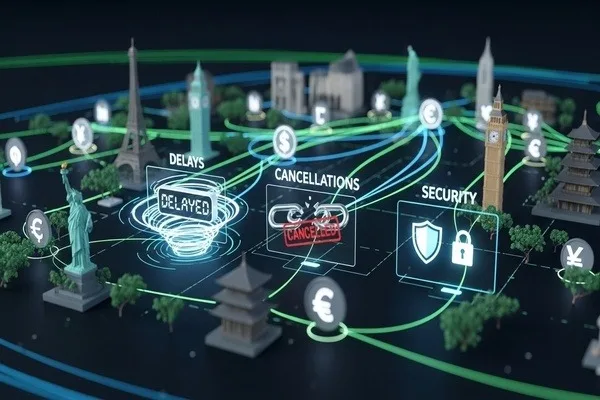
Delays in international money transfers can happen even when systems work perfectly. Compliance checks, time zone gaps, or intermediary bank processes may temporarily slow the movement of funds. Understanding why these pauses occur helps you manage expectations and avoid unnecessary worry. Each delay often represents a safeguard ensuring that your money reaches the correct recipient securely and in compliance with international standards.
When a delay does happen, it’s important to take clear, informed steps. Verifying recipient details, contacting your provider, and knowing when to request an investigation or cancellation can prevent confusion and lost time. This section explains the most common causes of money transfer delays, what to do when transfers stall, and how cancellation or refund options work under federal and institutional policies.
Common Causes Of International Money Transfer Delays
Delays usually happen for one of the following reasons:
- Incomplete or incorrect recipient information
- Compliance and identity verification under AML or BSA regulations
- Bank holidays or time zone differences
- Intermediary bank processing time
- Currency exchange verification
If a delay occurs, remain calm and allow additional business days for completion. Contact customer service if the transfer exceeds the usual timeframe.
Steps To Take If Your Money Transfer Hasn’t Arrived
If your recipient has not received the funds after several business days:
- Review your transfer details for accuracy.
- Contact your provider’s support team with your transaction reference number.
- Confirm whether compliance or verification procedures are still in process.
- Request investigation or escalation if delays persist.
In most cases, providers can trace the transfer through each stage of processing and provide updates within 24 to 48 hours.
Cancelling Or Recalling A Money Transfer
Once a transfer has entered the processing stage, cancelling it can be difficult. You must act immediately if you wish to stop or recall the payment. Contact your provider’s customer service line with the transaction reference number and all relevant details. Whether cancellation is possible depends on the stage of processing and the receiving institution’s policy.
Federal rules under the Consumer Financial Protection Bureau’s (CFPB) Remittance Transfer Rule require institutions to allow cancellation requests within 30 minutes of payment for most transactions. Order Express policies mirror these protections and process refunds within two business days when applicable.
Note: Under Order Express policies and the Consumer Financial Protection Bureau’s Remittance Transfer Rule, customers may cancel a transaction within 30 minutes of payment and may report any transfer error within 180 days of the promised delivery date.
Fees For Tracking Or Cancellation Requests
Some providers include tracking at no additional cost, while others may charge fees for manual investigations or recalls. These fees vary based on the provider’s policy, the transfer’s complexity, and whether intermediary banks are involved. Always review service terms before initiating a transfer.

Keeping Your Money Transfer Secure
Security is the foundation of every successful money transfer. When you send or receive funds, you trust financial institutions to safeguard your information and deliver your payment accurately. That trust depends on strong security measures, verified providers, and your own attention to detail. By understanding how to choose licensed money transmitters, confirm recipient details, and use secure digital platforms, you can reduce risks and ensure your funds reach the right destination. Staying informed about safe transaction methods protects your finances and your personal data from fraud or misuse.
Today’s financial systems offer more convenience than ever, but that also means taking greater care to protect your transactions. Licensed money transmitters and financial institutions use encryption, regulatory checks, and identity verification to prevent errors and detect suspicious activity. Still, customers play a vital role in security by monitoring their accounts, confirming transaction details, and recognizing potential scams. Following these practices not only keeps your funds safe but also ensures full compliance with financial regulations. Secure habits create lasting confidence in every money transfer you make.
Note: If you suspect a fraudulent transfer or phishing attempt, contact Order Express Compliance immediately at cumplimiento-usa@orderexpress.com or call 1-888-666-1602. Order Express follows a zero-tolerance policy for fraud and investigates all reported incidents under its AML program.
Choosing Licensed And Trusted Providers
Always use licensed money transmitters or financial institutions that follow AML, BSA, and OFAC regulations. Licensed providers implement strong customer identification, secure processing, and transaction monitoring procedures.
For example, Order Express maintains registration as a Money Services Business under FinCEN regulations, ensuring full compliance with federal requirements.
Verifying Recipient Information
Double-check all recipient details, such as full name, account number, and institution, to avoid misdirected funds. Errors in this information can cause delays or failed transactions.
For services involving check cashing or bill payment, ensure you verify each customer’s identity according to state regulations and maintain accurate records for audit purposes.
Using Encrypted Online Channels
When sending funds online, confirm that the website uses secure encryption protocols. Look for “https” in the address bar and avoid using public Wi-Fi when completing financial transactions.
For in-person services such as check cashing, currency exchange, or bill payment, work only with verified agents and insist on printed receipts.
Recognizing And Avoiding Scams
Fraud remains one of the most common threats in financial transactions. Protect yourself by following these guidelines:
- Do not send money to unknown individuals.
- Avoid responding to unsolicited emails or phone calls requesting payments.
- Ignore offers that require you to send money to claim a prize or job opportunity.
- Never share personal identification or banking details over unsecured channels.
Providers that comply with AML and BSA laws continuously monitor for suspicious activity and report unusual transactions to the Financial Crimes Enforcement Network (FinCEN) as required by law.
Monitoring Your Account
After completing a transfer, monitor your account regularly for unexpected withdrawals or unauthorized activity. Report any discrepancies immediately to your provider’s compliance or fraud department. Keeping records of all transaction receipts, including check cashing slips or bill payment confirmations, supports faster resolution if issues arise.
Conclusion
Tracking a money transfer in real time is now a standard expectation in today’s financial world. Modern systems, combined with strong security and regulatory compliance, allow customers to follow their funds confidently from start to finish. While occasional delays may occur due to verification or compliance checks, these steps protect both senders and recipients from risk.
By choosing licensed providers, maintaining accurate information, and understanding the factors that affect timing, you can ensure your transactions remain safe, transparent, and compliant. Whether you’re sending money to family, managing a business payment, or using check cashing or bill payment services, reliable tracking provides peace of mind every step of the way.
Disclaimer: This article is for educational purposes only. It summarizes general financial processes and compliance standards but does not represent or replace official Order Express policies or federal regulatory requirements. Customers should consult their service provider or compliance representative for specific transaction guidance.
Important Compliance Notice: Federal financial regulations (BSA, AML, USA PATRIOT Act, CFPB) are separate from Order Express internal compliance policies. Order Express operates an independent AML/BSA program approved by its Board of Directors and enforces additional company-level safeguards beyond federal minimum requirements.
Stay informed and secure your transfers, choose a licensed money transmitter that provides real-time visibility, strong security, and reliable service. Track your money transfer confidently today!
FAQs
How can I track my money transfer in real time?
Log in to your provider’s online or mobile app, enter your transaction reference number, and view real-time status updates showing when funds are sent, verified, or received.
Why is my international money transfer delayed?
Delays occur due to compliance checks, incorrect recipient information, bank holidays, or intermediary bank processing. Confirm details and contact your provider if the delay exceeds five business days.
What information do I need to track a money transfer?
You need:
- Sender and recipient names
- Account details for both parties
- Reference or confirmation number
- Transfer amount and date
Can I cancel or recall a money transfer after sending it?
Most providers allow cancellation within 30 minutes of payment. Contact customer service immediately with your reference number to request a recall before processing completes.
How can I prevent fraud during a money transfer?
- Use only licensed money transmitters
- Verify recipient details
- Avoid public Wi-Fi
- Never share personal or banking data
- Report suspicious messages to your provider’s fraud team

John is a Content & SEO Specialist who enjoys breaking down complex financial topics, like cross-border payments and money transfers, into content that’s easy to understand. He focuses on creating practical, search-driven content that helps people find answers and make informed decisions.


