


Having a check returned can create serious financial and personal challenges. Financial institutions often charge costly fees for returned checks, and the embarrassment can damage important business relationships. Clients, colleagues, and suppliers may lose trust when payments fail. This situation can also slow down future transactions and strain ongoing partnerships.
Banks usually decline checks when the account lacks funds, but there are other possible reasons. A check may be denied if the account or routing numbers are unreadable or invalid. Incorrect formatting and missing or mismatched signatures are also common causes. Additionally, banks may reject checks if too much time has passed since the issue date.
To avoid these problems, many people turn to reliable Check Cashing services. With Order Express Check Cashing, you can reduce the stress of returned checks. It provides a faster way to access funds without the uncertainty of bank delays. Using a trusted Check Cashing option helps maintain credibility with clients and keeps business operations moving smoothly.check

Essential Check Details That Prevent Rejection
Small details on a check carry big importance. From numbers to business information, every element must be accurate to avoid delays. Paying attention to these basics reduces errors and builds trust. Below are the most important details to review before using a check for payment or Check Cashing.
Why the routing number matters
The routing number is a key detail found at the bottom of every check. It helps identify the bank responsible for releasing the funds. Without this number, the financial system cannot process your payment correctly. When a routing number is missing or incorrect, the check is often rejected.
Banks use machines to scan routing numbers quickly. That is why it must be printed in the MICR font, which is designed for accuracy. If the number is smudged, unclear, or not formatted properly, the system may not recognize it. This small mistake can lead to delays, extra fees, or even denial of your payment.
To avoid these issues, always confirm that your routing number matches your bank before printing checks. Using proper check-printing software adds an extra layer of security and accuracy. Taking the time to review your routing number protects your money and keeps your Check Cashing experience fast and reliable.
Making sure your account number is correct
Your account number is just as important as your routing number. It appears directly after the routing number at the bottom of the check. This number links the payment to your specific bank account, so accuracy is essential. If the account number is wrong, the bank cannot process your check.
Account numbers must also be printed in MICR font so machines can read them without errors. Some businesses also use magnetic ink to add security and prevent fraud. Without the correct formatting, you may face unnecessary delays. Always make sure your account number is updated and valid before using the check.
If you recently changed banks or opened a new account, double-check that your checks reflect the new information. Using outdated account numbers may cause rejections during Check Cashing. Taking a few extra minutes to confirm the details ensures that your payments are safe, secure, and processed smoothly every time.
The importance of the check number
Every check has a unique number, usually placed at the top right corner. This number helps identify the specific payment and gives each check its own identity. It plays an important role in keeping track of transactions.
Check numbers also protect against fraud by making it harder for someone to create duplicates. If a check is lost or stolen, the number makes it easier to cancel or trace. Without this detail, bookkeeping can become confusing and disorganized.
Maintaining proper check numbering is also useful for your financial records. Accountants and bookkeepers rely on these numbers for accuracy. Clear check numbers help match payments with invoices and prevent errors. A simple step like keeping your checks in order creates trust, strengthens security, and supports smoother Check Cashing every time.
Why business and bank details belong on checks
Checks should always display your business details clearly. Adding your name and address makes the payment look professional and trustworthy. Without this information, the check may appear suspicious or incomplete.
Including your bank’s name and address is equally important. It helps verify where the payment comes from and speeds up the Check Cashing process. Recipients feel more confident accepting a check that looks complete and official.
Some businesses even add a logo to their checks. While optional, this adds polish and improves branding. A professional check strengthens your reputation and reassures clients. Always review your checks before use to confirm that both your business and bank details are accurate and easy to read.
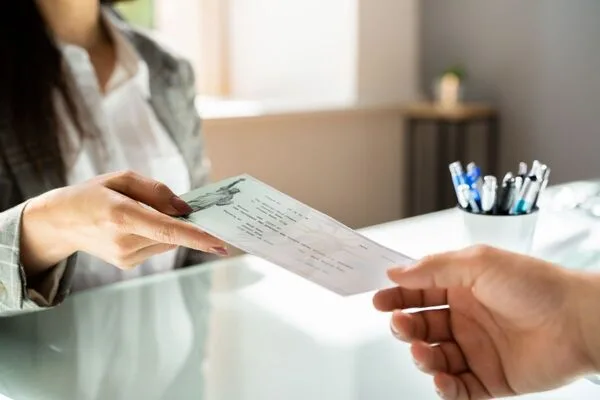
Key Practices for Secure and Smooth Transactions
Checks must be filled out carefully and securely to avoid rejection. Correct payment details, valid signatures, and built-in security features protect your money and reputation. Using tools like check-printing software and reliable Check Cashing services ensures accuracy. Below are practical ways to keep every transaction secure and successful.
Filling out payment information correctly
The payment details are the heart of every check. These include the date, the payee’s full name, and the amount to be paid. The amount should be listed both in numbers and in words. This prevents confusion and mistakes during Check Cashing.
Leaving any section blank creates risk. A missing date or unclear payee name could result in the check being rejected. Always use ink to avoid smudges or changes to the payment information. Small details make a big difference in protecting your money.
Adding a memo line is not required but very useful. It can explain the purpose of the payment or include an invoice number. This makes record keeping easier and avoids disputes later. Clear payment information saves time, reduces errors, and keeps financial operations running smoothly.
Why the signature line matters most
The signature is the final and most important part of a check. Without a valid signature, the bank will not honor the payment. This step authorizes the transaction and confirms your approval.
Banks compare the signature on the check with the one they have on file. If it does not match, the check may be flagged or denied. This process helps prevent fraud and protects both you and the recipient.
You can sign checks by hand or use a secure digital signature. Both options work as long as they are valid and consistent. Always review your checks before sending them out. Forgetting to sign can delay Check Cashing, cause embarrassment, and damage trust. A simple signature ensures smooth transactions and keeps your finances safe.
Simplify Business Payments with Check Printing and Check Cashing
Using check-printing software can lower the risk of formatting mistakes when preparing business checks. Proper formatting helps ensure your payments are processed without problems. Choosing the right check service is essential for avoiding costly errors and delays. Look for options that include secure templates designed to meet bank requirements.
Well-designed templates guide you on where to place each detail. This makes it easier to fill out checks correctly every time. Security features in the template also help protect against fraud and rejection. Printing with accuracy keeps your payments professional and credible in the business community.
For businesses seeking convenience, pairing reliable software with Check Cashing services can add extra protection. Order Express Check Cashing offers a secure way to handle funds quickly. This combination reduces the risk of rejected payments and builds trust with clients. By following the right process, you can keep operations smooth and safeguard your reputation.
Note: For checks of three thousand dollars or more, federal law requires financial service providers such as Order Express to collect additional identification and documentation. These larger transactions may also be reported to regulators under anti-money laundering rules. Customers should understand that these requirements are standard compliance obligations.
The impact of postdated and stale checks
Postdated and stale checks can create unnecessary delays in payments. A postdated check is written with a future date, which means it cannot be cashed until that date arrives. Many banks and Check Cashing services will not process a postdated check early, leaving both the payer and the payee waiting longer than expected. On the other hand, stale checks are those issued more than six months earlier. Most banks and Check Cashing providers reject them because the information is considered outdated and unreliable.
For businesses, this can create tension with clients or suppliers who expect timely payments. Even individuals may face stress when a check is delayed or denied due to these issues. To avoid problems, always write the current date on checks and encourage recipients to deposit or cash them promptly. Using reliable Check Cashing services, such as Order Express Check Cashing, helps avoid disruptions. Staying aware of check timelines keeps transactions smooth and maintains trust in financial relationships.
Note: Order Express follows federal recordkeeping rules. For transactions of three thousand dollars or more, copies of the front and back of checks and supporting identification must be retained for at least five years. This process is part of Bank Secrecy Act compliance and protects both customers and the company.
Understanding the role of security features
Security features on checks play a major role in protecting both the writer and the recipient. Banks and Check Cashing services carefully review checks to confirm authenticity. Features such as watermarks, microprinting, and special security paper make it harder for criminals to create duplicates or alter details. Without these safeguards, a check may appear suspicious and could be rejected during processing.
Magnetic ink and MICR fonts are also vital security tools. They allow machines to read routing and account numbers accurately, reducing human error. Some businesses even include holograms or special backgrounds that are nearly impossible to copy. These small details add strong layers of protection against fraud and ensure that checks remain valid in the financial system.
When writing or printing checks, make sure they include modern security features. This prevents delays, protects your money, and keeps payments reliable. Pairing secure checks with trusted Check Cashing services like Order Express Check Cashing gives you confidence that funds will be handled safely every time.
Compliance Notice: Order Express, Inc. is a registered Money Services Business (MSB) and complies with U.S. AML/KYC laws. Transactions of $3,000 or more require additional ID and documentation. Licensed and regulated by the Texas Department of Banking and other state authorities.
Conclusion
Avoiding rejected checks is all about attention to detail and using the right tools. From accurate numbers to proper signatures, every step plays a role in smooth transactions. Mistakes can cause delays, added fees, and strained relationships, but the good news is these errors are preventable. By carefully reviewing your checks and using reliable Check Cashing services, you protect your money and strengthen your reputation.
Order Express Check Cashing offers a secure, fast, and professional way to handle your checks while complying with all federal requirements, including identification checks, recordkeeping, and reporting obligations. Take control of your finances today, avoid costly mistakes, and keep your payments running smoothly. Visit Order Express to make your Check Cashing process simple, secure, and reliable.
Disclaimer: This article is for informational purposes only and does not replace official regulatory disclosures. Please refer to Order Express’ Terms & Conditions and state/federal laws for full details.
Note: Order Express is registered with the Financial Crimes Enforcement Network (FinCEN) as a licensed Money Services Business (MSB). We strictly follow Know Your Customer (KYC) and Anti-Money Laundering (AML) practices to ensure secure, transparent, and compliant financial services.
FAQs
Why do banks reject checks?
Banks often reject checks due to insufficient funds, errors in details, invalid signatures, or outdated issue dates.
How can I avoid mistakes when writing checks?
Always use ink, write clearly, confirm numbers, and never leave sections blank to ensure accuracy.
What happens if I write the wrong date on a check?
If postdated, the check may not be cashed early. If stale, it may be rejected after six months.
Why are security features important on checks?
Security features like watermarks, magnetic ink, and microprinting protect against fraud and help banks process checks safely.
Can I use digital signatures on checks?
Yes, secure digital signatures are accepted by many banks, provided they match the signature the bank has on file.

Alvin is a Content and SEO Specialist who creates clear and helpful content about money transfers and payment systems. He focuses on making complex topics easy to understand so readers can learn how these services work in everyday situations.


