


Writing a check may look easy, but small mistakes can become costly. An error like switching numbers or spelling the recipient’s name wrong can cause the check to be rejected by financial institutions. When this happens, payments are delayed, and both you and the recipient experience unnecessary stress. If you are paying employees or finalizing a business transaction, paying attention to detail is crucial. Accurate information helps ensure your check goes through smoothly without problems.
This guide will walk you through the key details every check should have to avoid rejection. You will also learn the most common reasons checks get denied and what problems they can cause. Mistakes may seem small, but they often create delays and extra fees. By understanding the process, you can prevent future issues and save time. Order Express Check Cashing services are also available when you need a fast and reliable payment option.

Key Elements Every Check Should Have
To avoid delays and rejections, every check must include certain key details. Each section of the check serves a specific purpose. By understanding these elements and filling them out correctly, you can prevent costly mistakes. Paying close attention ensures a smoother Check Cashing process from start to finish.
Important Points to Remember
You can avoid having checks returned by making sure they include all required details. Always review the account number, check number, recipient’s name, date, amount, bank details, and signature before submitting. Missing or incorrect details often lead to delays and extra costs. Common mistakes include entering the wrong date, mismatched signatures, or incorrect account numbers. Even a small error can cause major inconvenience for both you and the recipient.
A rejected check may result in fines and additional fees that quickly add up. In some cases, the payee can even file a lawsuit, creating legal problems and damaging your reputation. Taking time to double-check your information protects you from these risks.
To make the process smoother, Order Express Check Cashing services provide a fast and secure way to handle payments. This option helps you save time and ensures your checks are processed without issues. By staying accurate and using reliable services, you can avoid frustration and keep transactions moving efficiently.
Note: Federal law requires additional recordkeeping and reporting for certain check cashing transactions. For example, transactions of $3,000 or more require customer identification and recordkeeping. Cash transactions over $10,000 require a Currency Transaction Report (CTR) to be filed with federal regulators. These safeguards under the Bank Secrecy Act protect both customers and the financial system.
Why the Account Number Matters
At the bottom of every check, you will notice a string of printed numbers. These numbers form what is called the Magnetic Ink Character Recognition or MICR line. This unique code allows banks to quickly identify the correct branch and account. By doing so, it speeds up the check clearing process and reduces waiting time.
The account number also plays a vital role in preventing fraud and forgery. Since the information is encrypted, it adds a strong layer of protection. A missing or incorrect account number will immediately cause problems during processing. Always verify the number before writing or handing over a check. This small step helps ensure a smooth transaction and avoids rejection.
Using services like Order Express Check Cashing makes the process even easier. With careful attention to details like account numbers, you can save time and prevent costly mistakes.
Understanding the Check Number
Another set of numbers you will notice at the bottom of a check is the check number. This number acts as a reference, helping you track payments and manage your records. By using it, you can balance your checkbook with ease. It also allows you to see which checks have been issued and which are still pending.
Check numbers may look slightly different depending on the bank that issued the check. However, their purpose remains the same: they provide an easy way to monitor your transactions. If you write multiple checks often, tracking these numbers prevents confusion and duplicate payments.
Always keep a record of your check numbers when handling payments. This small habit makes tracking expenses simpler and ensures your Check Cashing process runs smoothly.
What the Routing Number Means
The routing number is the third set of numbers found at the bottom of a check. This nine-digit code is used to identify the financial institution connected to the account. It plays a crucial role in directing the check to the right bank for processing.
Without a correct routing number, a check cannot move through the banking system properly. An incorrect number can delay payment or cause the check to be returned. Always confirm that this detail is accurate before issuing or accepting a check.
The routing number works hand in hand with the account number to ensure secure and efficient transactions. Paying attention to both details helps avoid unnecessary issues during Check Cashing or payment processing.
Why the Name and Address Matter
In the upper left corner of a check, you will find the name and address of the account holder. These details are the same ones you provided when opening your bank account. They usually include your full name, home address, and sometimes a phone number.
Even if you have moved to a new address, you can still issue checks as long as your account number remains valid. However, outdated details may sometimes cause confusion for the person receiving the payment. Keeping your information current helps avoid unnecessary questions or delays.
The name and address also act as an added layer of identification. They help confirm the legitimacy of the check and connect it directly to the account holder. Double-checking that your personal details are correct ensures a smoother Check Cashing experience.
The Importance of the Date
In the upper right corner of a check, you will find a space for the date. Always write the correct date clearly to avoid confusion. This detail tells the bank and the recipient when the payment is intended.
Some people try to delay a transaction by post-dating a check. However, banks are not required to honor that date unless a written notice is given. If you only provide verbal notice, the bank will follow it for just 14 days.
Writing the correct date helps prevent delays and makes the payment process smoother. A missing or incorrect date can cause rejection during Check Cashing. To avoid problems, always fill in the date before issuing any check.
Who the Check Is Made Out To
On the left side of the check, just below the issuer’s name and address, you will see a line labeled “Pay to the Order of.” This is where you write the name of the person or organization receiving the payment. Filling out this section correctly ensures the money goes to the right recipient.
If you misspell a name or write it unclearly, the bank may reject the check. Always confirm the exact spelling before writing it down. For businesses, make sure to include the full legal name.
Leaving this line blank is risky because it can allow anyone to claim the check. Writing the recipient’s name accurately makes Check Cashing safer and more reliable. Taking a moment to confirm the details here prevents delays and protects your funds.
Writing the Amount Correctly
Every check requires the payment amount to be written in two formats: numbers and words. Next to the “Pay to the Order of” line, you will find a box where you enter the numeric amount. Be sure to write it clearly, with no smudges or extra marks. Correct placement of commas also helps avoid confusion.
Across the center of the check, you will see a long line where the amount must be written in words. This section helps verify the numeric entry and ensures accuracy. If the payment includes cents, write them as a fraction over 100, followed by the word “dollars.”
For example, if the payment is $555.50, you would write: “Five hundred fifty-five and 50/100 dollars.” Always write carefully to prevent tampering and make the check easier to process. Accuracy in both formats is essential to avoid rejection during Check Cashing.
Details About the Bank
Every check includes information about the bank where the account is held. This section usually shows the bank’s name, phone number, and address. The exact placement of these details can vary depending on the bank that issued the check.
This information helps confirm the legitimacy of the check and directs where it should be processed. It also reassures the recipient that the payment is linked to a valid financial institution. If these details are unclear or missing, the check may raise concerns during processing.
Always make sure the bank information is visible and correct before issuing a check. Clear details help avoid confusion and support a smoother Check Cashing experience.
Purpose of the Memo Line
Beneath the bank details, you will find the memo line on a check. While it is optional, using it is a smart habit for better record-keeping. This space allows you to note details like an invoice number, transaction number, or reason for payment.
Adding a memo helps both you and the recipient track the purpose of the check. It is especially useful when paying bills or making business-related payments. Even a short note can provide clarity if questions arise later.
Though the bank does not require it, filling out the memo line adds an extra layer of organization. Using this section wisely supports smoother Check Cashing and helps prevent confusion in your financial records.
Why the Signature Is Essential
The signature line is one of the most important parts of any check. After filling in all details and reviewing them, you must sign the check to complete it. Without a signature, the bank will not release funds to the recipient.
Your signature authorizes the bank to withdraw money from your account and deliver it to the payee. It also acts as a vital security feature against fraud. Banks often compare the signature on the check with the one they have on file. If the two do not match, the check may be rejected.
A clear and consistent signature helps protect you and ensures smooth processing. Taking a moment to sign carefully reduces the risk of delays during Check Cashing. Always remember that this step finalizes the payment and confirms your approval.
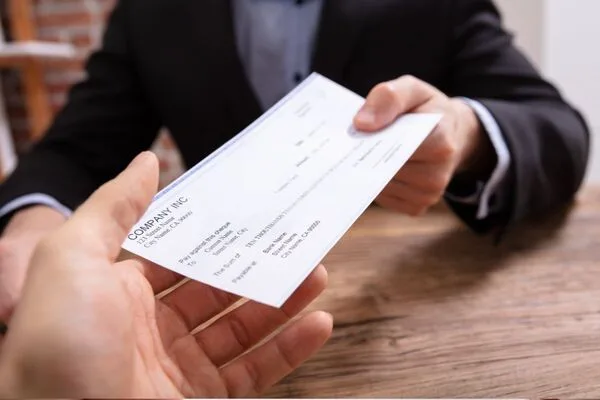
Common Reasons Checks Get Rejected
Even when you complete every section, mistakes can still lead to rejection. Errors like wrong dates, insufficient funds, or closed accounts cause serious issues. Knowing the most frequent reasons banks return checks allows you to prevent them. By avoiding these pitfalls, you protect your money, reputation, and peace of mind.
Note: Order Express complies with all federal reporting obligations. This includes customer identification and recordkeeping for transactions of $3,000 or more, Currency Transaction Reports (CTR) for cash transactions over $10,000, and Suspicious Activity Reports (SARs) for suspected fraudulent transactions of $2,000 or more. These compliance safeguards are in place to protect both customers and the financial system.
Common Reasons Checks Get Returned
Checks often get returned due to simple but costly mistakes. One frequent issue is an irregular signature. If the signature on the check does not match the one the bank has on file, it may trigger suspicion. In such cases, the bank may believe the check was altered or forged and reject it immediately. Keeping your signature consistent is the easiest way to prevent this issue.
Other common problems include incorrect formatting and invalid account numbers. Banks use strict standards for check processing, and any deviation can cause rejection. Key issues include:
- Irregular signatures that do not match the bank’s records
- Improper format such as unusual fonts or non-standard paper
- Invalid account numbers due to errors or closed accounts
Even when all other details are correct, a single mistake can stop the payment. Carefully reviewing your check before issuing it saves time and prevents unnecessary stress.
When you pay attention to these details, your check is less likely to be returned. Proper formatting, accurate account numbers, and consistent signatures ensure smooth processing. By following these simple practices, you protect both your money and your reputation during Check Cashing.
More Reasons Checks May Be Rejected
Incorrect dates are another common reason banks return checks. A check may be considered stale if too much time has passed since the written date. Similarly, post-dated checks can cause problems if submitted too early. Unless the bank has written notice, it is not required to honor a future date. Writing the correct date helps you avoid delays.
Insufficient funds remain one of the most frequent causes of check rejection. When the bank verifies a check, it checks the account balance. Common issues include:
- Stale or post-dated checks that the bank refuses to process
- Insufficient funds in the account to cover the payment
- Payment delays caused by inaccurate or missing details
These problems can lead to not only rejection but also fees, penalties, and damage to your financial standing. Avoiding them requires careful attention before issuing any payment.
Taking simple steps makes a major difference. Always confirm your account balance before writing a check. Double-check the date and ensure all details are accurate. By doing so, you create a smoother Check Cashing process that protects you from costly delays and financial stress.
What Happens with a Closed Account
If a check is written from a closed account, the bank will automatically reject it. This situation occurs when the account is shut down before the check is presented for payment. The bank cannot release funds if no active account exists to draw money from.
Issuing a check to a closed account creates serious problems for both you and the recipient. The bank will return the check, and the payee will be notified of the issue. In some cases, the payee may also face a fee for attempting to cash a check tied to a closed account.
Writing a check from a closed account can damage trust and even harm your financial reputation. To avoid this, always confirm your account is active before issuing checks. Careful monitoring prevents delays, fees, and problems during Check Cashing.
Note: Financial institutions, including Order Express, are also required to file Suspicious Activity Reports (SARs) with the U.S. Treasury for suspected fraudulent transactions of $2,000 or more. This is part of the Bank Secrecy Act. Customers should still report issues to their bank and law enforcement, while the institution fulfills its federal reporting duties.
Conclusion
Avoiding check rejection comes down to accuracy, attention, and responsibility. By reviewing every detail before issuing a check, you can save time, money, and stress. Mistakes such as incorrect dates, mismatched signatures, or missing details can easily disrupt payments. Staying proactive prevents financial setbacks and protects your reputation.
For fast, secure, and reliable Check Cashing, Order Express is here to help. Their process follows strict compliance and verification procedures, which help reduce risks and make processing checks easier while providing greater peace of mind. Whether you are paying employees, handling bills, or finalizing transactions, careful preparation ensures success. Take control of your payments today, double-check your details and use trusted solutions like Order Express for a smoother experience.
Disclaimer: This article is for informational purposes only and does not replace official regulatory disclosures. Please refer to Order Express’ Terms & Conditions and state/federal laws for full details.
Note: Order Express is registered with the Financial Crimes Enforcement Network (FinCEN) as a licensed Money Services Business (MSB). We strictly follow Know Your Customer (KYC) and Anti-Money Laundering (AML) practices to ensure secure, transparent, and compliant financial services.
FAQs
Why do banks return checks?
Banks return checks due to errors like mismatched signatures, incorrect dates, insufficient funds, or missing details that prevent proper processing.
Can I cash a post-dated check early?
Banks are not required to honor post-dated checks before the written date unless they have official written notice.
What happens if I write a check from a closed account?
Checks from closed accounts are automatically rejected, and the payee may face fees for attempting to cash them.
How can I prevent a check from being rejected?
Always double-check details like account number, date, payee name, and signature. Ensuring accuracy reduces the risk of rejection.
Why do checks need both numbers and words for amounts?
Writing the amount in numbers and words prevents errors and fraud, ensuring the bank verifies the payment correctly.

Alvin is a Content and SEO Specialist who creates clear and helpful content about money transfers and payment systems. He focuses on making complex topics easy to understand so readers can learn how these services work in everyday situations.


