


You should not use a Money Order when the transaction involves gambling, sanctioned parties, structuring to avoid reporting, or when state limits require extra verification. A licensed money transfer provider like Order Express enforces these restrictions to ensure compliance, fraud prevention, and secure transfers. Customers asking “how to verify, why it matters, and what steps to take” can rely on clear guidance. Verification protects your funds, compliance prevents penalties, and secure transfer practices ensure safe delivery. This guide explains when not to use a Money Order, how to recognize fraud, and which alternatives may be better for certain payments.
Knowing when not to use a Money Order is just as important as understanding how a money order works, helping you recognize the situations where it offers the right balance of security, compliance, and reliable payment documentation.
Compliance-Based Restrictions
Money Orders are safe and trusted when used correctly, but strict federal and state rules govern their use. These rules prevent fraud, protect customers, and ensure financial institutions remain compliant. Order Express follows these requirements closely, and customers must understand where Money Orders are not permitted. Below are the key restrictions to keep in mind before sending funds.
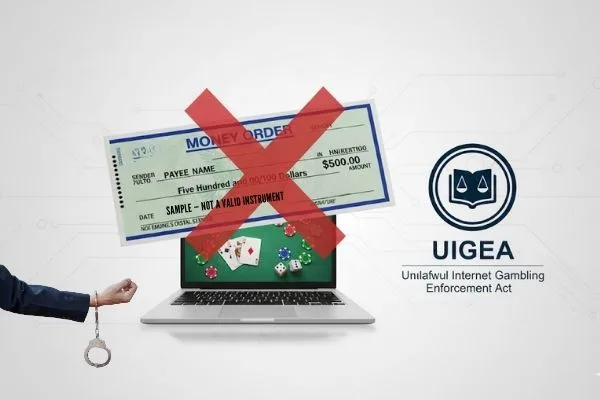
Internet Gambling Transactions
- Federal Rule: The Unlawful Internet Gambling Enforcement Act prohibits using a Money Order for internet gambling. Regulators monitor gambling transactions closely.
- Order Express Policy: Order Express blocks any attempt to use a Money Order for gambling. Customers who attempt such transactions will be prevented from completing them.
Using alternative legal payment methods is the only safe option. Online gambling companies sometimes try to hide their activities. They may ask players to pay using financial instruments like Money Orders. This request is a red flag. Customers should avoid it immediately. Legitimate businesses will never pressure you to use restricted payment types. Order Express urges customers to protect themselves from penalties and financial loss.
Structuring To Avoid Reporting
- Federal Rule: Structuring is the act of splitting one large payment into smaller transactions to avoid reporting requirements. It is illegal under the Bank Secrecy Act. Financial institutions must file CTRs within 15 days when transactions exceed $10,000 in a single business day.
- Order Express Policy: Order Express monitors transactions for structuring and files CTRs through FinCEN’s BSA E-Filing system. Employees are trained to detect structuring and must report suspicious activity to compliance immediately. SARs must be filed no later than 30 days after the detection of suspicious activity.
The law views structuring as an attempt to hide financial activity. Serious fines or even criminal charges may follow.
For example, buying several Money Orders under the limit in one day to avoid identification requirements is structuring. Even if the customer claims convenience, the law still applies. Employees at Order Express are trained to detect these patterns. Customers should understand that staying transparent protects both sides. The best practice is to complete the transaction honestly with proper documentation.
Transactions With Sanctioned Parties
- Federal Rule: The Office of Foreign Assets Control (OFAC) prohibits financial institutions from sending funds to sanctioned individuals, organizations, or countries. Violations may result in penalties and investigations.
- Order Express Policy: Order Express screens every transaction against OFAC lists. If a potential match is found, the transaction is placed on hold for compliance review and will not be processed if confirmed.
These lists include people and entities linked to terrorism, narcotics, or money laundering.
Attempting to send a Money Order to a sanctioned individual may freeze your funds. Federal agencies can investigate suspicious activity quickly. Customers must recognize that sanctions exist to protect national security. Order Express aligns with these regulations by screening all transactions. This ensures that customers remain safe from legal or financial risks.
Exceeding State-Specific Limits
- Federal Rule: Federal law requires MSBs to collect customer identification for transactions of $3,000 or more.
- Order Express Policy: State-specific thresholds apply.
- In Arizona: ID is required for transmissions above $900 and for Money Orders of $1,000 or more.
- In Oklahoma: ID is required for transmissions and Money Orders of $1,000 or more.
- In all other states: ID is required for Money Orders of $3,000 or more.
Order Express enforces these state rules to remain compliant. State regulators may impose fines for violations, so strict adherence is necessary.
Each state’s rules may vary, and customers should ask before sending larger Money Orders. Showing valid identification ensures compliance and smooth processing. This protects customers against transaction delays. Order Express agents guide customers in understanding these limits. Transparency avoids confusion and ensures safe service delivery.

Customer Protection Guidelines
While compliance rules focus on legal restrictions, customer protection highlights everyday safety practices. Scammers often target individuals through deceptive requests, and not every transaction is best served by a Money Order. Order Express provides guidance to help customers avoid fraud, choose the right payment option, and understand why protective rules exist. The following guidelines will help you use Money Orders with confidence.
How To Avoid Scams And Fraud With Money Orders
Fraudsters often target consumers by requesting Money Orders. Common schemes include fake lotteries, job offers, and romance scams. The Consumer Financial Protection Bureau encourages customers to stay alert and take simple steps to protect themselves. Order Express also provides resources to help customers spot these risks.
Key warning signs of fraud
- Requests from strangers or new acquaintances
- Pressure to act quickly, such as “limited-time offers”
- Demands for secrecy or private arrangements
- Claims that you must pay taxes, fees, or prize winnings in advance
Best practices to stay safe
- Send a Money Order only to trusted individuals or businesses
- Always keep your receipt as proof of payment
- Slow down if you feel pressured and take time to verify the request
- Ask questions- scammers often fail to provide clear answers
- Confirm with Order Express staff if you are unsure about a transaction
Legitimate businesses accept multiple forms of payment. If someone insists on a Money Order only, treat this as a red flag. Customers should remain cautious, verify payment requests, and use Order Express as a resource for fraud prevention guidance.
When To Consider Alternatives Instead Of Money Orders
Money Orders are secure but not always ideal. For urgent payments, money transfers may be faster. For large purchases, a cashier’s check or bank transfer may be better. Always choose the payment method that fits your need. Order Express provides multiple options to support you.
Money Orders offer safety for moderate payments and bill settlements. However, they may not work well for transactions over several thousand dollars. Large payments may trigger identification rules or regulatory checks. In these cases, other services like direct transfers provide better convenience. Customers should consider time, cost, and documentation when choosing.
Order Express staff can explain the advantages of each service. Choosing the correct method saves time and avoids delays. For instance, an international payment may face restrictions with a Money Order but move quickly through an authorized wire transfer. Understanding options ensures customers make informed decisions.
Why These Rules Exist
These restrictions exist to protect customers and the financial system. They prevent fraud, money laundering, and illegal activities. They also build trust in secure services. Order Express follows both federal requirements and customer protection practices. This ensures safe transactions.
Without such safeguards, financial systems could be exploited. Criminals would use Money Orders to disguise funds or finance unlawful operations. Restrictions protect honest customers by maintaining a trustworthy marketplace. By complying with rules, Order Express demonstrates a commitment to integrity and customer trust.
- Federal Rule: Regulations require financial companies to maintain accurate records of customer identification and transactions. These records help investigators detect suspicious patterns and prevent money laundering or terrorist financing.
- Order Express Policy: Order Express follows the BSA/AML Corporate Compliance Manual to retain records for a minimum of five years. This includes receipts, identification, and compliance forms for applicable transactions.
Customers benefit from a cleaner and safer financial environment. The rules apply equally to everyone, keeping the system fair and consistent.
Using Money Orders Safely
Money Orders remain one of the most trusted financial tools when used correctly. Customers rely on them for bills, rent, and personal payments, but safe usage requires more than just filling out a form. Order Express encourages customers to follow practical steps such as choosing the right purpose, keeping records, and recognizing warning signs. The following tips will help you maximize the security and reliability of every Money Order transaction.
Safe And Smart Uses Of Money Orders
A Money Order works well for bill payments, rent, or trusted personal transactions. It is secure, traceable, and widely accepted. Keep your receipt to track the transaction. Order Express agents guide customers through safe Money Order usage.
Parents may use Money Orders to send funds to children at school. Tenants can pay rent securely with receipts for their records. Workers can pay bills without a bank account. These examples show why Money Orders remain useful. Order Express ensures customers get clear instructions for safe use.
Recordkeeping Matters
Always retain your copy of the Money Order receipt. It helps in case of disputes or cancellations. Accurate records support transparency and protect against fraud. The FDIC Consumer Resource Center recommends safe storage of all financial receipts.
Lost receipts may cause problems if you need a refund. A copy provides evidence and speeds up the investigation. Customers who organize their financial paperwork have fewer disputes. Receipts also support tax and budgeting needs. Order Express stresses that good recordkeeping helps maintain financial health.
Recognizing Red Flags Before Using A Money Order
Be alert to pressure tactics or unusual payment requests. If someone demands secrecy or quick action, reconsider. Fraud often uses urgency to trap victims. Order Express advises customers to confirm the legitimacy of all requests before payment.
Watch for signs like requests for overpayment refunds or claims of lottery winnings. Criminals design scams to look official, but verification exposes fraud. Customers should never send Money Orders to unknown charities or businesses without research. Trust your instincts and consult Order Express staff if unsure.
Recognizing red flags prevents financial loss. When in doubt, pause and verify. Order Express encourages open communication to protect customers. Customers are safer when they understand warning signs and act cautiously.
Conclusion
A Money Order is a safe and reliable financial tool when used correctly. Customers should avoid restricted or high-risk situations such as gambling payments, structuring, or fraud scams. Order Express helps customers choose the right service, whether a Money Order, electronic transfer, or other solution. Protect yourself by following rules, asking questions, and keeping records.
Using Order Express services ensures compliance with regulations and customer safety. Customers benefit from knowledgeable agents, strict monitoring, and secure systems. Confidence comes from knowing every transaction is handled with care and compliance. Safe financial tools build trust in long-term relationships.
Ready to send money safely today? Visit your nearest Order Express location or start your transaction online now.
Disclaimer: This blog is for educational purposes only. It does not replace legal advice or formal compliance obligations. Order Express complies with all federal and state regulations.
Frequently Asked Questions
Q: When should you not use a Money Order?
A: Avoid using a Money Order for gambling, structuring payments, sanctioned parties, or when state rules require extra verification.
Q: How can I verify a Money Order is valid?
A: Check the receipt, confirm the issuing provider, contact the licensed money transfer service, and ensure the transaction matches your records.
Q: What steps prevent Money Order fraud?
A:
- Send only to trusted recipients
- Keep your receipt
- Verify suspicious requests
- Avoid secrecy or pressure tactics
- Contact your provider if unsure
Q: What are alternatives to Money Orders for large payments?
A: Use cashier’s checks, bank transfers, or electronic transfers for large or urgent payments that may exceed Money Order limits.
Q: Why does compliance matter for Money Orders?
A:
- Federal Rule: Compliance prevents fraud, ensures secure transfers, and protects customers from penalties under federal, state, and OFAC regulations.
- Order Express Policy: Order Express enforces these rules with monitoring, staff training, and customer verification.

John is a Content & SEO Specialist who enjoys breaking down complex financial topics, like cross-border payments and money transfers, into content that’s easy to understand. He focuses on creating practical, search-driven content that helps people find answers and make informed decisions.


