


To properly complete a money order, write the recipient’s name, enter your information, complete the memo line if needed, sign the front of the money order, and keep the receipt for your records. Before delivering it, review every detail carefully to help prevent delays or processing issues.
A money order is a prepaid payment method that provides a secure alternative to cash or personal checks because the funds are prepaid before it is issued. It is commonly used to pay rent, bills, government agencies, businesses, or individuals when another payment method is unavailable or not preferred.
Money orders are available through many financial institutions, retail providers, grocery stores, and check cashing businesses. Depending on the transaction, identification or additional verification may be required by law or by the provider’s own policies.
Understanding how to complete a money order correctly helps protect your payment, creates a reliable transaction record, and reduces the likelihood of avoidable mistakes.

How To Complete A Money Order
Although completing a money order is generally straightforward, every section serves an important purpose. Taking a few extra minutes to complete the document carefully helps ensure the payment reaches the intended recipient and minimizes delays caused by missing or incorrect information.
Following these basic steps also creates a clear transaction record that may be helpful if you later need to verify payment or resolve questions about the transaction.
After learning how to complete a money order accurately, continue with Money Orders: How To Buy, Fill Out, Cash And Track Them Safely to discover helpful information about purchasing, cashing, tracking, and avoiding common mistakes throughout the process.
1. Fill In The Payee’s Name
Write the full name of the person or business receiving the payment on the “Pay To” or “Pay To The Order Of” line.
Use the recipient’s complete legal or business name whenever possible and verify the spelling before leaving the issuing location. Avoid leaving the payee section blank because doing so may increase the risk of misuse if the money order is lost before reaching the intended recipient.
2. Add Your Information
Complete the purchaser section with your name and address if requested on the money order.
Some money orders also provide space for the recipient’s address. If that section is available, complete it carefully using accurate information. Providing complete information helps create a better transaction record and may make it easier to resolve questions later if necessary.
3. Complete The Memo Line
The memo line allows you to identify the purpose of the payment.
Depending on your situation, you may include an account number, invoice number, customer reference, or a brief description of the payment. Including relevant information can help ensure the payment is credited correctly and makes your records easier to understand later.
4. Sign The Money Order
Sign only in the purchaser’s designated signature area on the front of the money order.
Do not sign any endorsement area intended for the recipient. Reviewing the completed money order before signing helps reduce mistakes and confirms that all required information has been entered accurately.
5. Keep Your Receipt
Always keep the receipt that accompanies your money order.
The receipt typically contains the reference or tracking number that may be needed if you later need to inquire about the payment, trace its status, or request assistance from the issuer. Store the receipt in a secure location until the transaction has been completed.
Common Mistakes To Avoid When Completing A Money Order
Many problems involving money orders result from small but preventable mistakes. Reviewing the document before leaving the issuing location can save time and reduce the likelihood of delays.
Common mistakes include:
- Leaving the payee line blank
- Misspelling the recipient’s name
- Writing incorrect payment information
- Signing the wrong section of the money order
- Forgetting to keep the purchase receipt
Taking a few extra moments to verify every field helps protect both you and the recipient while creating a more reliable payment record.

Where To Buy And Cash A Money Order
Knowing where to purchase and cash a money order is just as important as completing it correctly. Different providers may offer different services, fees, purchase limits, and identification requirements.
Comparing available options before visiting a location can help you choose the service that best fits your needs.
Purchasing A Money Order
Money orders are commonly available from banks, credit unions, grocery stores, retail service counters, and check cashing providers.
Purchase limits, accepted payment methods, and service fees vary by issuer and location. Before purchasing a money order, verify the available payment methods, applicable fees, and any identification requirements that may apply.
Many issuers recommend using cash or debit cards rather than credit cards because some credit card companies may treat money order purchases as cash advances.
Cashing A Money Order
Money orders can often be cashed at banks, credit unions, check cashing businesses, and some retail service locations.
Bring any identification required by the provider and verify applicable fees before visiting. Some providers may also require the recipient to endorse the money order when cashing it. If you have questions about eligibility or available services, contacting the location in advance may help avoid unnecessary delays.
Using Check Cashing Alternatives
If you do not maintain a bank account, check cashing businesses and certain retail service counters may provide additional options for cashing a money order.
Compare service fees, identification requirements, and operating hours before choosing a provider. Selecting the most appropriate option can help you receive your funds more conveniently while understanding any applicable costs.
Important Rules And Protections
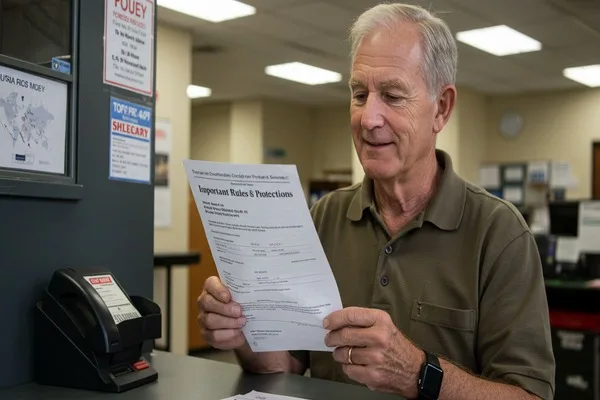
Money orders are designed to provide a secure way to make payments, but they are also subject to legal requirements and issuer policies that help protect customers and the financial system. Understanding these requirements can help you complete your transaction more confidently while avoiding unnecessary delays.
Some requirements come from federal regulations, while others are established by individual financial institutions or money services businesses. Requirements may also vary depending on the type of transaction, the amount involved, and the jurisdiction where the transaction occurs.
1. Order Express Money Order Policy
Order Express applies identification, recordkeeping, and transaction procedures in accordance with applicable laws and its internal compliance policies. Depending on the service, transaction amount, and jurisdiction, customers may be asked to present valid identification or provide additional information before completing a purchase.
If you have questions about current requirements, contact your local Order Express location before purchasing a money order.
2. Federal Requirements
Federal regulations may require financial institutions and money services businesses to maintain records or satisfy reporting obligations for certain transactions. Depending on the circumstances, providers may also request identification or additional verification as part of their compliance responsibilities.
These requirements are generally obligations of the financial institution or money services business rather than actions that customers must complete themselves. Customers should expect providers to follow applicable laws and internal compliance procedures when processing eligible transactions.
3. Consumer Protections
Keeping your receipt is one of the simplest ways to protect yourself after purchasing a money order. The receipt typically includes information that may be needed if you later need to inquire about the transaction or request assistance from the issuer.
Replacement, cancellation, refund, and service policies vary by issuer. Before purchasing a money order, review the issuer’s terms and ask questions if you are unsure about any procedures or fees.
Protect your personal information throughout the transaction and only send money orders to individuals or organizations you know and trust.
What To Do After Completing A Money Order
After completing your money order, take a few moments to review the document before leaving the issuing location.
A simple review can help you identify mistakes before they become larger problems.
Consider this checklist:
- Confirm the recipient’s name is correct.
- Verify your information has been completed accurately.
- Review any payment reference or memo information.
- Confirm you signed only the purchaser section.
- Store your receipt in a secure place.
- Deliver or mail the money order to the intended recipient.
These simple steps help reduce avoidable delays and make it easier to answer questions if you later need to verify the transaction.
Conclusion
Completing a money order correctly helps ensure your payment reaches the intended recipient while creating a reliable record of the transaction. Writing the recipient’s name accurately, providing your information, completing the memo line when appropriate, signing the purchaser section, and keeping your receipt are simple steps that can help prevent avoidable mistakes.
Money orders remain a practical payment option for many everyday transactions because they are prepaid, widely accepted, and easy to track with the proper documentation. Before purchasing or cashing a money order, confirm any applicable identification requirements, service fees, and issuer policies with your provider.
If you have questions about available money order services or current requirements, contact your local Order Express location for assistance.
Disclaimer: This article is for general informational purposes only. It does not replace official guidance from financial service providers or federal regulations. Customers must comply with all applicable laws and provider-specific requirements when using money orders.
Frequently Asked Questions
How do you properly complete a money order?
Write the recipient’s name, complete the purchaser information, add any necessary payment reference in the memo line, sign the purchaser section on the front of the money order, and keep your receipt for your records.
Where can I buy a money order?
Money orders are commonly available from banks, credit unions, grocery stores, retail service counters, and check cashing providers. Availability, fees, and purchase limits vary by provider.
Can I correct a mistake on a money order?
If you make a mistake, contact the issuer before attempting to alter the money order. Correction, cancellation, or replacement procedures vary by issuer.
Should I complete the money order before leaving the counter?
Yes. Completing and reviewing the money order before leaving the issuing location helps reduce mistakes and lowers the risk of problems if information is missing or incorrect.
What should I do if I lose my receipt?
Contact the issuer as soon as possible. The receipt typically contains the reference information needed to help locate or research the transaction. Replacement or inquiry procedures vary by issuer.

John is a Content & SEO Specialist who enjoys breaking down complex financial topics, like cross-border payments and money transfers, into content that’s easy to understand. He focuses on creating practical, search-driven content that helps people find answers and make informed decisions.


