Families in Oakland use currency exchange to prepare for international travel by estimating how much foreign currency they need, choosing reputable local providers and organizing exchanged notes for daily spending abroad. This process helps travelers understand rate structures, avoid unnecessary fees and secure the denominations required for transit, markets and cash-preferred purchases.
Families also rely on currency exchange during their trips to access additional funds when needed, track daily expenses and manage unused notes after returning home. By following clear steps before, during and after travel, Oakland families use currency exchange to maintain predictable budgeting and reduce payment challenges across different destinations.
For a wider perspective on consumer-oriented exchange details, explore our primary guide to currency exchange services for consumers.
Note:
- Exchange rates are subject to change and may differ by currency and denomination.
- Fees may apply; ask for the total cost before completing a transaction.
- Valid government-issued ID may be required depending on the transaction.
- Service availability and supported currencies may vary by location.

How Families Organize Currency Exchange Needs Before An International Trip
Families preparing for international travel often begin by organizing their currency exchange needs carefully so they understand how much foreign cash supports their plans and which denominations offer the most flexibility abroad, helping them move confidently into each step of their pre-trip financial preparation while avoiding unnecessary stress later.
Estimating Required Foreign Currency Amounts
Families planning international trips often begin by estimating how much foreign currency they will realistically need daily. They review expected transportation expenses and meal costs to decide how much cash they should carry initially abroad. They compare destination payment norms to determine whether cash or card usage will support predictable spending throughout their trip.
After estimating spending, families often create simple lists to clarify anticipated cash uses:
- Transit fares paid only in local currency
- Markets or vendors that prefer physical notes
- Occasional tips or location-specific service charges
Checking Currency Availability And Desired Denominations
Families check which foreign currencies are available locally to avoid unnecessary delays before their departure date approaches. They review available denominations because some global destinations prefer smaller notes for faster transactions with local merchants. They ensure desired denominations match mobility needs by evaluating how easily small notes support smooth purchases throughout each day. Families may also reference Federal Reserve foreign exchange rate data to understand general market movements affecting currency availability.
Reviewing Currency Exchange Basics Before Exchanging Funds
Families new to travel often scan introductory guidance explaining rate calculations and fee structures for exchanging funds securely. They consult publicly available resources from federal agencies or consumer websites to confirm foundational concepts confidently. Travelers reviewing reliable background information may reference FDIC consumer education resources to strengthen financial understanding before exchanging funds. They apply these concepts by identifying expected total conversion costs associated with their planned exchange transaction amounts.

How Oakland Families Complete Foreign Currency Exchange Transactions
Many families prioritize clarity and confidence when completing currency exchange transactions, making it essential to understand provider credibility, rate structures and required documentation before visiting a local service. This section outlines the key considerations that help travelers move through each step efficiently while ensuring they receive accurate amounts.
Selecting A Reputable Local Provider
Families look for reputable providers by checking operating details, posted rates and customer feedback before making any decisions.
They compare available services to confirm which providers offer transparent pricing that remains consistent throughout each completed transaction.
They choose providers offering convenient pickup windows because predictable scheduling supports efficient trip preparation for busy households. Families with additional payment needs may also explore money transfer options when preparing for extended international travel.
Numbered considerations after reviewing providers:
- Confirm hours align with planned travel preparation schedules
- Verify identification requirements for currency pickup or exchange
- Ask about typical processing times during high-volume travel seasons
Understanding Rates And Total Expected Transaction Costs
Families evaluate posted rates carefully since slight shifts can meaningfully affect total cash received for their intended amount. They calculate expected totals in advance by multiplying posted rates with their planned exchange amounts before finalizing their transactions. They clarify all applicable fees to confirm whether listed rates include service charges that affect overall value received. To better understand regulatory context for how financial institutions manage exchange activities, travelers can review U.S. Treasury exchange rate policy guidance.
Preparing Documentation And Completing The In-Person Exchange
Families gather required identification so their exchange appointments proceed smoothly without delays caused by incomplete documentation during processing. They arrive prepared with exact amounts they intend to exchange to maintain accuracy throughout the final conversion process. They count received notes before leaving the counter to ensure denominations match their needs and support immediate travel plans. Travelers seeking additional service support may also reference other financial services offered by Order Express.
Note: Many Oakland travelers prefer in-person service for cash pickup before international flights.
Practical Ways Travelers Rely On Currency Exchange Throughout Their Trips
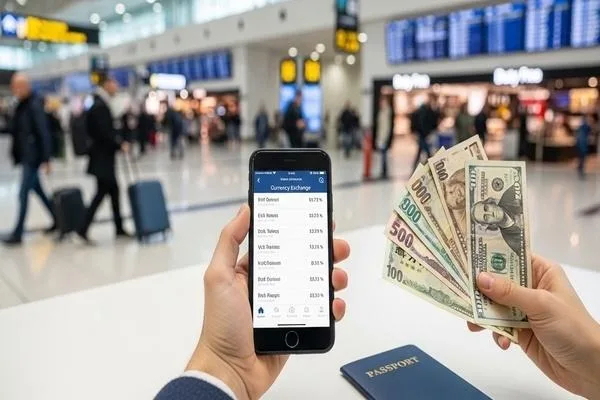
Families traveling abroad rely on currency exchange to manage expenses confidently, using exchanged notes for daily purchases, securing additional cash when needed and organizing any leftover funds after returning home. This process helps travelers stay prepared across different spending situations, reduces unexpected payment challenges and supports smoother budgeting from departure through their final return.
Managing Daily Spending With Exchanged Notes
Families organize their notes each morning so they maintain convenient access to denominations supporting typical daily transactions abroad. They separate small denominations into travel wallets because quick access helps streamline purchases in markets or transit environments efficiently. They monitor remaining cash each evening by reviewing receipts to maintain control over daily spending while traveling internationally. Travelers who need transactional help after returning may contact Order Express through the customer support page.
Exchanging Additional Currency Abroad When Necessary
Families sometimes need additional currency if unexpected activities increase spending beyond their original estimates before returning home. They compare destination exchange options by reviewing posted rates to avoid unfavorable terms at high-traffic tourist exchange locations. They follow safety guidance by choosing official providers since verified institutions reduce risks associated with informal exchange environments abroad. For broader consumer protection insight, families may reference Consumer Financial Protection Bureau financial guidance.
Handling Unused Currency After Returning To Oakland
Families sort any remaining notes after returning home to determine which amounts qualify for convenient local reconversion options. They check local providers to see whether buyback services offer reasonable terms that return value for unspent currency. They store remaining notes intentionally for future travel when buyback options offer limited value for certain denominations or currencies. Travelers comparing local reconversion choices may also review FDIC consumer resource information to understand broader financial considerations.
Conclusion
Families in Oakland can streamline every step of their international travel by approaching currency exchange with clear planning and informed decision-making. Organizing spending needs early, reviewing available denominations and choosing reputable local providers ensures each transaction delivers predictable value. Understanding posted rates, preparing documentation and verifying received notes all help families feel confident before departure. Once abroad, managing exchanged cash responsibly allows travelers to maintain control over daily expenses, access additional funds safely when needed and return home prepared to reconvert or store unused notes. These practical habits support smoother budgeting from start to finish, helping families focus on meaningful travel experiences. When preparing for your next trip, consider how early currency planning can simplify your journey and support stress-free financial readiness.
Those who prefer face to face assistance can use the store locator page to confirm representative availability prior to completing important transactions.
Educational disclaimer: This information supports general education only and does not replace personalized financial guidance for individual circumstances.
For helpful support preparing your next trip, explore local currency exchange services that fit your family’s travel plans today.
FAQs
How can families estimate how much foreign currency they need for a trip?
Calculate daily expenses, review transit and meal costs, check destination payment habits and create a list of cash-only situations to guide totals.
What should travelers check before completing a currency exchange?
- Posted exchange rates
- Whether the provider is a recognized, properly licensed/authorized where required
- Required identification
- Service fees
- Pickup times
How can families avoid overpaying when exchanging currency abroad?
Compare official providers, avoid tourist-heavy exchange kiosks, check posted rates and use ATMs or banks offering transparent pricing.
What steps help families manage exchanged cash during travel?
- Organize denominations daily
- Keep small notes accessible
- Track spending each evening
What can families do with leftover foreign currency after returning home?
Use local buyback services, store notes for future trips or exchange eligible denominations through reputable providers offering fair terms.

John is a Content & SEO Specialist who enjoys breaking down complex financial topics, like cross-border payments and money transfers, into content that’s easy to understand. He focuses on creating practical, search-driven content that helps people find answers and make informed decisions.