


Understanding inflation in money transfer helps consumers know how rising prices change the real value of the money they send and receive. Inflation affects purchasing power, exchange rates, and household budgets in different ways across global and local markets. When families learn how demand, supply, currency movements, and financial services influence transfer outcomes, they make smarter decisions and plan support more effectively.
This guide explains how inflation works, why it changes the value of international transfers and what practical steps senders and recipients can take to stay prepared during shifting economic conditions.
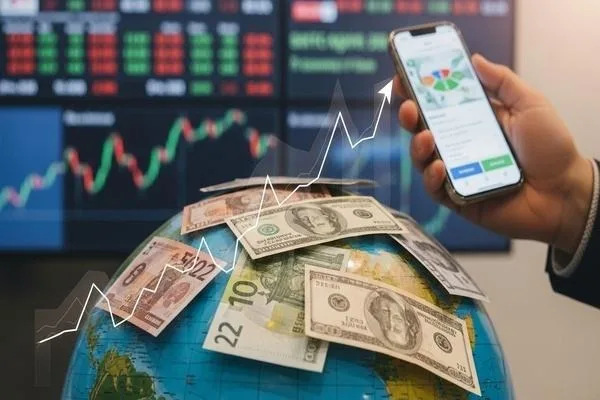
What Role Does Inflation Play In Global Markets And Money Transfer Decisions?
Understanding how inflation moves through global markets helps senders and recipients make smarter Money Transfer choices. Price shifts often start with changes in supply and demand, then spread across local economies in ways that affect household budgets, business activity and the real value of funds sent across borders.
Inflation Rises When Demand Outpaces Supply
Inflation increases when many people want more goods than businesses can produce. When producers cannot meet demand quickly, they raise prices. Economists describe this as demand-driven inflation. It often appears when families and businesses feel confident enough to spend more.
When supply expands with ease, inflation stays low. Economists call this elastic supply. In these conditions, producers respond to higher demand by increasing output rather than raising prices. Many developing and emerging markets show this pattern when small businesses operate below full capacity. When demand rises, these firms can increase production without significant cost increases.
Local Markets React Differently To Economic Pressure
Some communities have limited access to larger trade networks. Others connect directly to busy cities, ports or transportation routes. A market with many suppliers can respond quickly to rising demand. A market with few suppliers may raise prices to manage shortages.
In remote areas, transportation delays or limited competition can create local price spikes. In connected areas, businesses often bring in more goods from outside regions, which helps stabilize prices. These differences show why inflation does not appear evenly across countries or communities.
Inflation Shapes Who Benefits From Rising Demand
When spending rises, some people benefit while others face new pressures. Families with stable income may absorb price increases more easily. People with lower wages may struggle when essential goods cost more. Businesses with room to grow often welcome higher demand. Businesses with limited resources may find it hard to keep up.
Inflation also affects consumers who rely on Money Transfer services. Recipients who live in countries with high inflation may find that the value of incoming funds changes quickly. Even when senders provide steady support, rising local prices may reduce real purchasing power. This is one reason why understanding inflation matters for anyone sending or receiving money across borders.

How Inflation Shapes The Experience Of Money Transfer
Inflation changes the buying power of every dollar sent or received, and families feel these shifts in real time. As prices rise or currencies move, the value of a transfer can stretch or shrink in ways that shape daily spending. Understanding these economic trends helps senders and recipients anticipate changes, plan ahead and make informed financial choices.
Inflation’s Impact on Money Transfer
Inflation affects every aspect of money transfer, from the value of what recipients can buy to how quickly prices change in different countries. The table below shows how common inflation factors influence transfers and what steps senders can take to manage them effectively.
| Inflation Factor | How It Affects Transfers | What You Can Do |
| Rising Prices | Reduces buying power for recipients | Adjust transfer amounts or frequency |
| Currency Fluctuations | Alters exchange rates and delivery value | Monitor rate trends before sending |
| Supply and Demand | Creates uneven price changes across regions | Track local costs for better budgeting |
| Economic Cycles | Affect timing and household spending | Send funds strategically during stable periods |
| Global vs. Local Inflation | Impacts international and community markets differently | Stay informed about both markets |
Understanding these relationships helps both senders and recipients stay proactive. By tracking trends and adjusting plans, families can protect the real value of their support, no matter how inflation shifts.
Note: Families may observe how economic trends affect their household budgets and make personal decisions based on their own circumstances. This article does not recommend or direct any specific actions.
Inflation Changes The Real Value Of Remittances
When a sender completes a transfer, the recipient expects a certain value to reach their hands. Inflation can change how far that amount goes. If the local price of food, rent or transportation rises, the same transfer amount buys fewer goods. This effect becomes more noticeable when inflation stays high for several months.
Currency strength also plays a role. If a recipient country’s currency weakens, the incoming transfer may convert into more local currency. If the currency strengthens, the opposite can happen. These currency movements reflect broader economic activity and are not linked to the policies of any financial service provider. They occur naturally in the global foreign exchange market.
These changes highlight why many families track both prices and exchange rates over time. Understanding these trends helps senders decide when and how often to send funds. It also helps recipients plan their budgets with more confidence.
Important: Changes in currency value, inflation rates, and price levels occur due to external market conditions. These economic factors are not controlled, influenced, or determined by Order Express or any money transfer provider.
Local Businesses Respond To Higher Consumer Spending
When families receive funds from abroad, they often use that support to pay for essential goods and services in their communities. This increase in everyday spending leads to higher demand for items that local businesses already offer. Many businesses respond quickly and take advantage of the added activity to strengthen their operations.
Here are key factors that shape this response:
- Rising demand encourages companies to expand production
- Some businesses hire additional workers to keep up
- Communities experience short-term growth as money circulates locally
- Markets with flexible supply adapt more easily without raising prices
In areas with limited supply or slower trade access, rising demand can create pressure on prices. These changes reflect local economic conditions rather than any Money Transfer service. Factors such as transportation routes, seasonal shortages and overall production capacity play major roles in determining price direction. Communities with tighter supply chains often feel these changes more quickly, which makes it important for households to stay aware of shifting market conditions. Understanding these patterns also helps recipients anticipate how far their funds may stretch during periods of increased spending.
Recipients And Senders Adjust To Economic Cycles
Inflation often moves in cycles. Families adapt by adjusting budgets, altering sending schedules or changing how they allocate funds. Some senders track costs of living in the recipient country to better understand how far their support will go. Recipients may time purchases around predictable price patterns or seasonal market trends.
These adjustments remain personal financial decisions made by each family. They do not involve or modify any operational or regulatory rules from financial institutions. Economic cycles affect all consumers in similar ways, regardless of where they send or receive money.
Additional Insights That Influence Money Transfer During Inflation
- How Inflation Affects Real Purchasing Power Across Borders – Inflation changes how far each transferred dollar can go, especially in countries where essential costs rise quickly. When prices increase faster than income, families must stretch their budgets even if transfer amounts stay the same. Understanding how inflation shapes purchasing power helps senders and recipients plan better, track local prices and stay aware of how daily expenses evolve.
- Why Global Markets And Exchange Rates Shape Money Transfer Outcomes – Global economic trends influence exchange rates, food costs, energy prices and household expenses in many countries. When inflation rises worldwide, these effects often appear in local markets shortly after. Exchange rate shifts can increase or reduce the value a recipient receives, and they reflect market conditions rather than Money Transfer providers. Monitoring transfer rates and global price trends helps families anticipate changes and time transfers more effectively.
- How Families Can Stay Prepared During Shifting Economic Conditions – Although no family can control inflation, they can take steps to protect the real value of each transfer. Senders may adjust timing based on favorable exchange rates, while recipients can plan essential purchases during stable price periods. Awareness of inflation cycles, supply-and-demand changes and living cost trends helps households budget more confidently. Staying informed about both global and local conditions gives families more control, even when economic conditions remain unpredictable.

What Helps You Make Informed Financial Decisions During Inflation?
Inflation influences the real value of every transfer and affects how households manage daily expenses. When families understand how prices move and how markets react, they can adjust their approach and stay prepared for changing economic conditions. This awareness supports better decision-making and more reliable financial planning.
Track Trends That Influence Money Transfer Activity
Families benefit from monitoring key indicators that shape the value of international transactions. These indicators include the rate of inflation, recent price changes, exchange rate movements and shifts in local wages. Tracking these factors helps senders understand the real impact of their transfers.
People who follow these trends often feel more prepared to make decisions during economic uncertainty. They may adjust the size or timing of transfers to match recipients’ needs. These decisions allow senders to support loved ones more effectively during periods of rising prices.
Tracking trends does not provide financial advice or predict future movement. It simply gives consumers more information as they navigate inflation’s impact on daily life.
Understand How Markets React To Increased Demand
When more households receive funds from abroad, local demand may rise in the recipient community. Businesses respond based on capacity, resources and competition. Some expand to meet demand. Others raise prices if supply remains tight. These responses occur independent of any specific Money Transfer or other services.
Local market structure shapes these price shifts. Markets with strong trade links can bring in goods quickly. Local producers may also increase supply to meet higher demand. This flexibility helps reduce inflationary pressure. Markets with fewer suppliers or limited trade channels may see more pronounced price changes.
Consumers who understand these patterns make more informed decisions about savings, spending and long-term planning.
Use Knowledge Of Inflation To Plan Better
Understanding inflation gives families a clearer way to protect their financial well-being. When senders stay aware of price movements, they can adjust transfer amounts to support changing household needs. Recipients also gain more control over their budgets when they recognize how rising costs affect everyday spending.
Here are a few key steps that help families stay prepared:
- Track changes in local prices
- Watch exchange rate movement
- Stay updated on economic trends that influence daily costs
No consumer can control inflation, but they can take practical steps that help them respond with confidence. These strategies support better planning during uncertain times and encourage both senders and recipients to stay informed.
These actions remain separate from all regulatory matters and do not involve compliance rules, documentation requirements or legal obligations. They simply offer economic awareness that helps families make smart choices in shifting conditions. This knowledge builds financial resilience and supports more stability for households managing rising prices.
Important Compliance Notice: Any timing or budgeting decisions mentioned in this article must never be used to avoid identification requirements, reporting thresholds, or any BSA/AML recordkeeping rules.Customers must always comply with identification and reporting requirements, including KYC/ID verification and CTR-related rules, and understand that Order Express files SARs when required by law. No part of this article should be interpreted as guidance for avoiding documentation, monitoring, or compliance obligations.
Conclusion
Inflation changes how far each transfer can go, but families who understand these trends can stay ahead of rising costs. By tracking local prices, watching exchange rate movement and staying aware of economic shifts, senders and recipients gain more control over their financial decisions. These insights help households plan smarter, adjust support when needed and protect the real value of every transfer. Inflation affects each community differently, yet informed families navigate these changes with greater stability and confidence. When you understand how inflation works, you stay prepared, make better choices and support loved ones more effectively. Start applying these insights today and take the next step toward stronger, more resilient financial planning across borders.
Disclaimer: This article provides general economic education only. It does not offer financial, legal or compliance advice. Federal regulatory requirements (such as BSA/AML obligations, consumer protection rules, and remittance regulations) operate separately from the internal policies of individual money transfer providers, including Order Express. This article does not describe or modify any such requirements.
Additional Notice
This information is provided solely for general educational purposes about economic trends. It does not include financial advice, legal advice, tax guidance, regulatory guidance, or instructions related to Order Express internal policies. Consumers should make their own decisions independently.
This information is strictly educational and is not connected to Order Express policies, internal procedures, BSA/AML obligations, Know Your Customer (KYC) requirements, or any regulatory duties described in the Order Express BSA/AML Corporate Compliance Manual. Nothing in this article should be interpreted as operational guidance or instructions related to money transfers conducted through Order Express.
Stay informed, track economic trends, and make confident decisions when supporting loved ones across borders. Contact Order Express to learn more today and take control of your financial planning.
FAQs
How does inflation affect Money Transfer value?
Inflation reduces purchasing power, meaning recipients can buy less with the same amount. Track prices, monitor exchange rates and adjust transfer amounts when needed to help offset rising costs.
What should I check before sending money during inflation?
Review key factors:
- Local price changes
- Exchange rate trends
- Currency stability
- Recipient household needs
Why do exchange rates matter during inflation?
Exchange rates can increase or decrease the converted value of a Money Transfer. Watching rate changes helps senders time transfers when conversion is most favorable.
How can families plan transfers in high-inflation countries?
Families can:
- Send funds on a set schedule
- Adjust amounts for rising costs
- Track essential item prices
- Communicate frequently with recipients
Do Money Transfer providers control inflation or pricing?
No. Inflation and currency movement come from economic conditions, not transfer providers. Households can stay prepared by monitoring trends and planning transfers around changing local prices.
Economic conditions, including inflation and exchange rate movements, are determined by global markets and local economies, not by Order Express or any other financial service provider.

John is a Content & SEO Specialist who enjoys breaking down complex financial topics, like cross-border payments and money transfers, into content that’s easy to understand. He focuses on creating practical, search-driven content that helps people find answers and make informed decisions.


