


A money order is a prepaid payment method that offers security, wide acceptance, and clear recordkeeping. To complete one correctly, you must fill in the payee’s name, add your information, write a memo, sign the form, and keep the receipt. Money orders can be purchased at banks, credit unions, grocery stores, or check cashing providers, and cashed with proper identification at many financial institutions or retailers.
Federal rules may require ID for purchases of $3,000 or more and reporting for transactions over $10,000, while providers may set their own limits and fees. Understanding these steps and protections helps you avoid delays, reduce fraud risk, and ensure your payment reaches the right recipient.

How To Complete A Money Order
Completing a money order may look straightforward, but even small mistakes can cause delays or rejections. Each section of the form serves an important purpose, from identifying the payee to protecting you as the purchaser. Understanding these details helps you ensure your payment reaches the right person without complications.
Following the proper steps also protects you from fraud and lost funds. Writing the correct names, including your own information, and keeping the receipt gives you a clear record of the transaction. By paying attention to every line, you strengthen the security of your payment and avoid unnecessary stress later.
Fill In The Payee’s Name
Write the recipient’s full name in the “pay to” or “pay to the order of” line. The named person or business is the only one authorized to cash the money order. Use clear handwriting and correct spelling.
Add Your Information
Enter your name and address in the purchaser section. If there is space for the payee’s address, provide it as well. This information ensures proper recordkeeping and reduces the risk of fraud.
Complete The Memo Line
The memo line allows you to include a purpose for the payment. For example, you might note an account number, invoice, or reason for payment. This helps both you and the payee track the transaction.
Sign The Form
Sign your name in the purchaser’s signature area on the front of the money order. Do not sign the back, as that section is reserved for the payee’s endorsement. Unsigned money orders may be rejected.
Keep Your Receipt
Your receipt contains a tracking number. Use it to verify when the money order is cashed or to request cancellation if necessary. Store the receipt securely, as it is the only proof of purchase.

Where To Obtain And Cash A Money Order
Managing a money order starts with knowing where to buy one and how to cash it with ease. Whether you visit a financial service provider, a grocery store, or a check cashing business, each option has its own limits and fees. Understanding these details helps you make informed decisions and avoid unnecessary costs. By comparing providers, you can find the most convenient and affordable way to handle your payment needs.
Cashing a money order is just as important as purchasing it correctly. Banks, credit unions, and check cashing locations make the process straightforward, though some may charge small service fees. If you do not have a bank account, alternatives like grocery counters and financial centers provide access to cashing services. The key is knowing your options, preparing proper identification, and choosing the location that best fits your needs.
Purchasing A Money Order
You can buy a money order at financial service providers, grocery stores, credit unions, and check cashing businesses. Purchase limits often apply. Many locations set limits at $1,000 for domestic transactions. Fees usually range from one to ten dollars. Avoid using a credit card to buy a money order, since many issuers treat it as a cash advance with higher costs.
Cashing A Money Order
You can cash a money order at banks, credit unions, or check cashing locations. Some retailers also provide this service. Bring a valid government-issued ID to confirm your identity. Depending on the location, you may pay a small fee. Some institutions allow deposits at ATMs or through mobile apps, though availability varies.
Using Check Cashing Alternatives
If you do not have a bank account, you may rely on a check cashing store. These businesses often provide convenient service but charge fees. Always compare costs before choosing where to cash your money order. Other alternatives include using a grocery store service counter or a dedicated financial center.
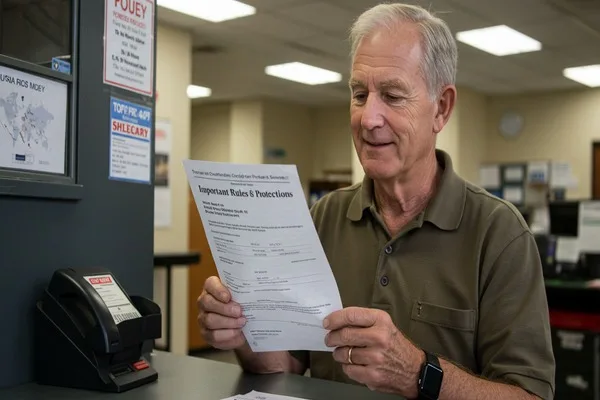
Important Rules And Protections
Money orders are trusted by millions of people because they combine accessibility with security. However, like any financial tool, they come with rules that protect both customers and institutions. Knowing these requirements helps you avoid costly mistakes, ensures smoother transactions, and gives you confidence when using a money order.
Regulations and protections are in place at three important levels. Federal law sets nationwide standards for identification and reporting. Providers establish their own rules to strengthen safety and meet compliance goals. Finally, consumer protections ensure buyers have recourse in the event of loss, theft, or fraud. By understanding these layers, you can better protect your money and complete each transaction without unnecessary risk.
Order Express Money Order Policy
Identification & Purchase Limits
- In all states except Arizona and Oklahoma, Order Express requests a valid, unexpired photo ID when the total amount of money orders you buy reaches US $3 000 or more within any 48-hour period.
- In Arizona or Oklahoma, we request ID when you purchase US $1 000 or more in money orders within any 24-hour period.
Record-keeping: Keep your receipt, it contains the tracking number you will need to trace, cancel, or reissue a money order.
Federal Requirements
Federal law requires identification when you purchase money orders totaling US $3 000 or more in a 48-hour period. Financial institutions must file a Currency Transaction Report (CTR) for cash transactions over US $10 000 in one business day. Suspicious transactions, regardless of amount, may trigger a Suspicious Activity Report (SAR)
Provider Rules
Each financial services provider establishes its own compliance policies in addition to following federal law. These rules may require ID checks at specific thresholds, recordkeeping, and transaction monitoring. Providers also may impose purchase or cashing limits for security. Customers should expect verification and reporting as part of the service process.
Consumer Protections
Money orders never expire and can be replaced if lost or stolen, provided you have the receipt. Refund or cancellation rules vary by issuer, so always confirm terms before purchase. Keeping records ensures you can resolve disputes and avoid fraud. Protect your personal details and never send a money order to someone you do not know.
Conclusion
A money order is a simple, secure, and reliable way to make payments when completed correctly. By writing the payee’s name clearly, adding your own information, completing the memo, signing the form, and keeping your receipt, you protect yourself from errors and fraud. Purchase options are available at banks, credit unions, check cashing locations, and retail providers, making access convenient. Remember, federal requirements may apply for transactions of $3,000 or more, and providers may impose their own limits or verification steps. Always carry valid identification and confirm terms before you purchase or cash. Take control of your payments today, follow these steps, keep your records, and complete your next money order with confidence and peace of mind.
Disclaimer: This article is for general informational purposes only. It does not replace official guidance from financial service providers or federal regulations. Customers must comply with all applicable laws and provider-specific requirements when using money orders.
Ready to complete your next money order? Contact your local financial service location today and follow these steps with confidence. At Order Express, we make sending money simple and secure.
FAQs
How do you correctly fill out a money order?
Write the payee’s name, add your address, complete the memo line, sign the front, and keep the receipt.
Where can I buy a money order?
You can purchase a money order at banks, credit unions, grocery stores, check cashing businesses, and retail financial service providers.
What identification is required for a money order?
Federal law requires ID for purchases of $3,000 or more in 48 hours. Providers may set lower thresholds.
How do you cash a money order without a bank account?
Use check cashing stores, grocery service counters, or financial centers. Bring a government-issued ID and expect a fee.
Can a money order be replaced if lost or stolen?
Yes. With the original receipt, issuers can cancel and replace a lost or stolen money order.

John is a Content & SEO Specialist who enjoys breaking down complex financial topics, like cross-border payments and money transfers, into content that’s easy to understand. He focuses on creating practical, search-driven content that helps people find answers and make informed decisions.


