 Skip to content


Cashing a check is a routine financial task that requires preparation, respect, and awareness of compliance rules. Proper check cashing etiquette helps you complete transactions safely, avoid delays, and protect against fraud. Whether you visit a bank, retail provider, or licensed money services business, understanding how to verify your check, present identification, and follow teller procedures ensures a smooth and secure experience.
This guide explains how to prepare before cashing a check, practice courtesy during the process, and handle potential issues confidently. You’ll also learn how identity verification, fraud prevention, and financial compliance play essential roles in responsible check cashing today.
Disclaimer: Order Express adheres to federal and state MSB regulations. Requirements may vary by jurisdiction.

Understanding The Basics Of Check Cashing
Before learning etiquette, it’s essential to understand what check cashing involves. A check is a written financial instrument that directs a bank or financial institution to pay a specified amount to the person or business named on it.
Types Of Checks You May Encounter
Checks can come in several forms, and each may require a slightly different approach:
- Personal checks: Issued by individuals for personal payments.
- Business checks: Drawn on company accounts for payroll or vendor payments.
- Cashier’s checks: Issued by a financial institution and guaranteed by its funds.
Each type has its own handling requirements. Personal checks, for example, often require additional verification, while cashier’s checks usually clear faster but still need authenticity checks.
Why Preparation Matters
Preparation prevents frustration and protects both the customer and the service provider. Many institutions, including money services businesses, follow strict identity verification and anti-fraud procedures under federal laws such as the Bank Secrecy Act (BSA) and anti-money laundering (AML) regulations.
Common Lsi Terms And Related Practices
Understanding related processes, such as banking compliance, identity verification, money services, financial transactions, fraud prevention, and payment processing, helps you navigate check cashing responsibly and efficiently.
Preparing Before You Cash A Check
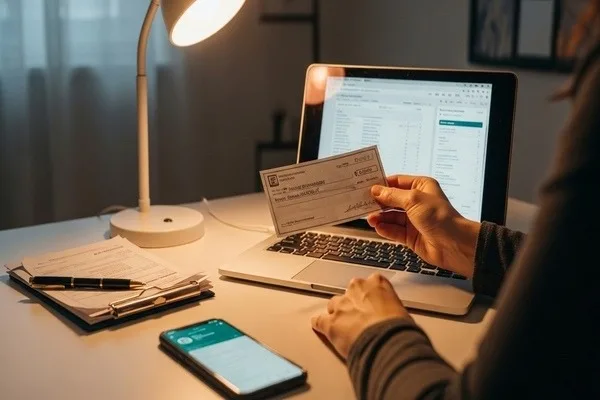
Preparation is the foundation of good check cashing etiquette. A few careful steps can help you avoid delays and ensure compliance with regulations while maintaining a professional experience.
Verify The Check’s Authenticity
Always inspect the check before visiting a financial institution or money transfer services business. Confirm these details:
- The check is signed by the issuer.
- The written amount matches the numerical amount.
- The check date is valid and not postdated or expired.
- The issuing bank or company name is legitimate.
If anything seems questionable, contact the issuer before attempting to cash it. Never accept a check from someone you don’t know or can’t verify.
Note: Order Express policy requires identification and transaction verification for any check-cashing transaction of $3,000 USD or more (within 48 hours), including record retention and Currency Transaction Report (CTR) filing for cash transactions exceeding $10,000 in one business day. Always ensure all required forms are completed before processing.
Gather Your Identification
Financial institutions must confirm the identity of anyone cashing a check. Bring one valid, government-issued photo ID, such as a driver’s license, passport, or state identification card. Ensure your ID name matches the check’s payee.
Some locations may ask for a secondary ID for larger transactions. Having it ready can save time and prevent delays.
Note: Accepted forms of identification under Order Express policy include a valid U.S. or foreign passport, U.S. driver’s license or state ID, consular ID (where permitted), voter ID (Mexico), or U.S. military ID. Identification must be current and signed.
Understand Policies And Fees
Every financial service provider follows specific policies regarding check cashing. Some serve only account holders, while others allow non-customers to cash checks for a fee. Before you arrive, learn about:
- Identification and verification requirements
- Applicable service fees
- Transaction limits or hold periods
If you’re using a money services business rather than a bank, be aware that they may follow additional state-specific rules.
Respect The Process And Privacy
Maintaining discretion during any financial transaction is essential. Avoid displaying large sums of cash in public, and respect the privacy of others in line. This protects everyone’s personal and financial security.
Order Express maintains customer confidentiality per the Gramm-Leach-Bliley Act (GLBA) and internal privacy rules. Agents and tellers must never share personal or transaction data except as required by law or compliance review.
Practicing Proper Etiquette During Check Cashing
The most visible part of the process occurs when you interact with the teller or clerk. Good etiquette helps create a smooth transaction for both parties while ensuring compliance with all federal and institutional standards.
Be Polite And Patient
When you arrive, greet the teller or agent courteously and wait for your turn. Patience and respect go a long way in financial settings. Rushing or showing frustration can increase mistakes and cause unnecessary tension.
If the location is busy, use the wait time to review your documents or double-check your endorsement.
Present Your Check And Id Clearly
When called, hand over your endorsed check and identification promptly. Hold them so the teller can read them easily. Organized preparation communicates professionalism and helps staff verify information faster.
Communicate Clearly
Ask questions if you’re uncertain about fees, holds, or procedures. Clear communication prevents misunderstandings. If an issue arises, stay calm and allow the teller to explain the next steps.
Avoid lengthy phone conversations or distractions while being served. Focused interactions help prevent data entry or processing errors.
Follow All Instructions
Each financial institution has procedures that support compliance with federal AML and BSA standards. If you’re asked to complete a form or wait for verification, comply respectfully. These steps protect both you and the business by ensuring transactions are legitimate and traceable.
Respect Personal Space And Security
Stand an appropriate distance from other customers and respect physical boundaries near the teller window. Never lean on the counter or crowd others waiting in line.
If you receive cash, place it securely in your wallet or purse before leaving the counter. Avoid counting cash publicly for safety reasons.

Handling Issues And Exploring Other Options
Even with preparation, problems can occasionally arise. Knowing how to handle them gracefully and responsibly demonstrates professionalism and maturity.
If a transaction appears suspicious or inconsistent with normal patterns, the location must follow Order Express Suspicious Activity Reporting (SAR) procedures. This includes documenting details and referring them to the Order Express Compliance Department within 30 days of detection.
If A Check Is Returned
If your check is rejected or returned for insufficient funds, errors, or authenticity concerns, contact the issuer directly to resolve the matter. Never argue with the teller or demand exceptions. Financial institutions must follow federal reporting and recordkeeping rules, and staff cannot override them.
Stay Calm Under Stress
Delays, holds, or additional verification requests can be frustrating, but maintaining composure helps resolve issues faster. Most financial providers must comply with regulations designed to prevent fraud and money laundering. Cooperation ensures compliance while protecting your interests.
Expect And Manage Fees
Some providers charge small fees for check cashing, especially for non-account holders. These fees vary depending on the check amount or type. Confirm them in advance and factor them into your decision.
If you prefer to avoid fees, consider depositing the check into your account through mobile or direct deposit services instead.
Explore Safe Alternatives
If you don’t have a traditional bank account or prefer other methods, you have several secure options:
- Money services businesses: Licensed providers that follow AML/BSA compliance standards.
- Mobile deposit apps: Allow you to deposit checks using your smartphone camera.
- Retail or grocery stores: Some offer check cashing for payroll or government checks with valid ID.
Always choose licensed, regulated businesses and read their terms carefully. Avoid unverified or unlicensed entities that promise instant cash without verification.

Maintaining Professionalism And Compliance Awareness
Understanding that financial institutions operate under federal regulations helps you appreciate the reasoning behind certain procedures.
Federal Compliance Perspective
Under the Bank Secrecy Act and related AML rules, all financial entities must verify customer identity, monitor transactions, and report suspicious activity. This includes check cashing transactions that exceed regulatory thresholds or appear unusual.
Customers should view these safeguards as protections rather than inconveniences. Following instructions, presenting valid identification, and cooperating with verification requests ensure compliance and help prevent misuse of financial systems.
Customer Courtesy And Responsibility
Practicing respect, honesty, and patience benefits both you and the financial professional serving you. Proper behavior reinforces trust, minimizes delays, and ensures accurate recordkeeping.
Examples of courteous practices include:
- Avoiding loud conversations or interruptions while others are served.
- Preparing your documents in advance.
- Expressing gratitude for the teller’s assistance.
These simple acts strengthen the relationship between customers and institutions, making future transactions faster and easier.
Financial Education And Awareness
Understanding how check cashing fits within broader financial management helps you make informed choices. It’s wise to monitor your accounts, retain receipts, and track check numbers for recordkeeping. These practices align with responsible money management and protect against potential fraud.
Regularly reviewing statements or transaction histories can also help you identify errors early and report them promptly to your provider.
Conclusion
Practicing proper check cashing etiquette builds trust, improves security, and ensures smoother financial transactions. By preparing valid identification, verifying your check’s authenticity, and communicating clearly, you protect yourself from fraud and delays. Respecting teller procedures and compliance rules strengthens your credibility as a responsible customer. Whether you use a bank, a licensed money services business, or an authorized retail provider, professionalism matters. Stay patient, understand transaction limits and fees, and always use regulated channels for safety. Every courteous action supports financial integrity and enhances your experience.
Take the next step, review your check, bring valid ID, and approach each transaction with confidence and care. Responsible check cashing starts with you.
For customers using Order Express check-cashing services, please follow company policies regarding ID verification, transaction thresholds, and anti-fraud procedures. If you suspect fraud or unusual activity, immediately contact the Order Express Compliance Department at 1-888-666-1602 or compliance@orderexpress.com.
Remember: Good etiquette equals good security.
Disclaimer: This article provides general educational information only. It does not represent or replace the policies of any specific company, including Order Express, nor does it constitute financial, legal, or compliance advice. Always follow the regulations and identification requirements of your chosen financial institution or service provider.
FAQs
What is proper check cashing etiquette?
Present a valid ID, verify the check, be polite, follow teller instructions, and respect privacy. Stay organized and calm during the process.
What should I bring when cashing a check?
Bring a government-issued photo ID, the endorsed check, and any secondary ID if required for large transactions.
How can I verify if a check is valid?
Confirm the signature, date, and amount match. Contact the issuer or bank if unsure. Avoid accepting unverified checks.
What should I do if my check is returned?
Contact the issuer directly, confirm the reason, and avoid arguing with tellers. Follow standard procedures for resolution.
Are there safe alternatives to check cashing at a bank?
Yes. Use licensed money services businesses, mobile deposit apps, or retail locations that comply with federal AML/BSA rules.

John is a Content & SEO Specialist who enjoys breaking down complex financial topics, like cross-border payments and money transfers, into content that’s easy to understand. He focuses on creating practical, search-driven content that helps people find answers and make informed decisions.


